Find a DBT Therapist for Trauma and Abuse in Massachusetts
This page lists Massachusetts DBT clinicians who focus on trauma and abuse, with profiles that highlight training, specialties, and practice locations across the state. Use the directory to compare DBT approaches, find clinicians offering individual therapy, skills groups, and coaching, and browse listings below to contact clinicians in Boston, Worcester, Springfield and beyond.


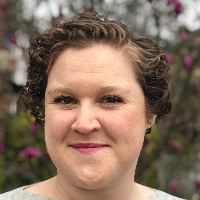
Kimberley Haley
LMHC
Massachusetts - 20yrs exp

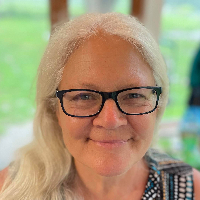
Denise Buckingham
LICSW
Massachusetts - 8yrs exp


















How DBT approaches trauma and abuse
Dialectical Behavior Therapy is a skills-based treatment model that organizes clinical work around four core modules - mindfulness, distress tolerance, emotion regulation, and interpersonal effectiveness. For people with histories of trauma and abuse, DBT provides a framework that prioritizes safety, stabilizing skills, and gradual processing so that overwhelming emotions do not derail progress. You learn practical ways to notice and tolerate distressing experiences through distress tolerance skills, while mindfulness helps you remain present and observe thoughts and body sensations without getting swept away. Emotion regulation tools teach you to identify patterns, reduce vulnerability to extreme emotional states, and increase moments of emotional balance. Interpersonal effectiveness targets relationship patterns that may have been shaped by past abuse so you can set boundaries, ask for needs to be met, and manage conflict in healthier ways.
Why a skills-based approach matters
When trauma symptoms involve intense emotional reactivity, flashbacks, or patterns of self-harm, a focus on skills gives you concrete strategies to manage those moments. DBT emphasizes practicing skills in real life, so therapy is not only about talking through the past but about building capabilities that you can use day to day. Therapists trained in DBT tailor the sequencing of skills to each person - teaching safety and grounding first, then building toward more emotionally challenging work - so that emotional stability improves before deeper trauma processing occurs.
Finding DBT-trained help for trauma and abuse in Massachusetts
In Massachusetts, DBT-trained clinicians practice in a range of settings from private practices to community clinics and hospital-affiliated programs. Larger metro areas like Boston and Cambridge often have specialized DBT programs and group offerings, while Worcester, Springfield, and Lowell host clinicians who combine DBT with trauma-focused experience. When searching the directory, look for therapists who list explicit DBT training, experience working with trauma and abuse, and the kinds of services they offer - for example, individual DBT therapy, skills groups, or coaching between sessions. Many clinicians will note whether they work with adults, adolescents, couples, or families, which helps match the right fit for your needs.
Questions to ask when you reach out
When you contact a clinician, you can ask about their formal DBT training and experience with trauma-related cases, whether they run standard DBT programs or adapt skills-based treatment to trauma work, and how they balance skills teaching with trauma processing. Inquire about the format of therapy - whether they offer weekly individual sessions, DBT skills groups, or brief coaching for moments of crisis - and whether they provide telehealth across Massachusetts if travel is a concern. Clarifying logistics such as insurance acceptance, fee policies, and session length can also help you plan next steps.
What to expect from online DBT sessions for trauma and abuse
Online DBT adapts the same structured approach used in-person to a virtual setting. You can expect individual therapy that focuses on applying DBT principles to your day-to-day challenges, structured skills groups where you learn and practice the four DBT modules with peers, and coaching between sessions to help you use skills when real-life stressors arise. Individual sessions typically include tracking of target behaviors, review of skill use, problem-solving around obstacles, and a focus on building stability before addressing trauma memories in depth.
Skills groups and coaching
Skills groups are a central feature of DBT and are often delivered online in a classroom-style format where a group learns and practices mindfulness, distress tolerance, emotion regulation, and interpersonal effectiveness. Online groups make it easier for people across Massachusetts - from Boston to Springfield - to access consistent group training. Coaching between sessions may be offered by phone or messaging for brief, in-the-moment guidance on skill use. When using these modes of support, therapists and programs typically outline boundaries and response expectations so you understand how and when to reach out for help.
Evidence and practical outcomes
Research and clinical experience support the use of DBT for people with complex emotional needs, including those with trauma histories. Studies indicate that DBT can reduce self-harm behaviors, improve emotion regulation, and increase effective interpersonal functioning in populations who have experienced trauma and abuse. In community settings across Massachusetts, clinicians have adapted DBT to incorporate trauma-informed principles - pacing interventions to prioritize safety and integrating exposure or processing in stepwise ways when appropriate. While individual outcomes vary, many people report improved ability to manage distressing memories and decreased intensity of reactive behaviors after consistent DBT skill practice.
Tips for choosing the right DBT therapist in Massachusetts
Choosing a therapist is a personal process. Start by identifying what matters most to you - such as experience with a specific form of abuse, availability for evening sessions, in-person work near Boston or Worcester, or virtual appointments that allow participation from home. Look for clinicians who describe formal DBT training and ongoing consultation with other DBT clinicians, as these features indicate fidelity to the model. Ask whether the therapist offers DBT skills groups and how group membership is managed, since group work is a core component of standard DBT programs. Also consider whether the clinician frames their work as trauma-informed, meaning they take steps to prevent re-traumatization and emphasize pacing, consent, and collaboration.
Practical considerations
When evaluating convenience and fit, think about commute time if you prefer in-person sessions - many people choose clinicians in Boston, Cambridge, or Lowell for easier access to specialized programs - or the reliability of internet and privacy at home for online work. Confirm whether the clinician accepts your insurance or offers sliding scale options, and ask about session length and expected duration of DBT work. If you are currently connected to medical providers or other supports, you may want to look for a DBT therapist who is open to coordinating care. Trust your instincts about rapport - feeling heard and understood in an initial consultation is often a good sign that the therapeutic relationship will support long-term work.
Next steps
Use the listings on this page to compare clinician profiles, paying attention to DBT training, trauma experience, service formats, and location. Reach out with specific questions about program structure and what a typical first few months of DBT would look like for you. Whether you live in metropolitan Boston, the central region near Worcester, the western area around Springfield, or a smaller community elsewhere in Massachusetts, DBT-trained clinicians can offer a structured, skills-focused path to help you manage the impact of trauma and abuse while building greater emotional stability and relational capacity.