Find a DBT Therapist for Self Esteem in Massachusetts
This page highlights DBT-trained therapists across Massachusetts who focus on helping people strengthen self esteem through a skills-based approach. Use the listings below to compare therapists by location, experience, and therapy format.



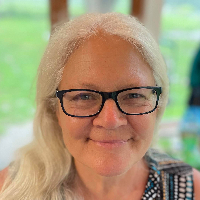
Kimberley Haley
LMHC
Massachusetts - 20yrs exp

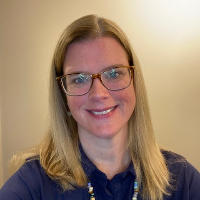
Denise Buckingham
LICSW
Massachusetts - 8yrs exp


















How DBT approaches self esteem
If you struggle with persistent self-criticism, shame, or an unstable sense of self, DBT offers a practical, skills-based path forward. Rather than focusing only on insight, DBT teaches specific skills you can practice to change how you relate to yourself and others. Mindfulness helps you notice self-critical thoughts and emotional patterns without automatically acting on them or accepting them as truth. Distress tolerance gives you tools to get through intense moments when harsh self-judgment feels overwhelming. Emotion regulation helps you identify and modulate feelings that feed low self-worth, while interpersonal effectiveness trains you in clear communication and boundary-setting so you can build relationships that reinforce a more positive self-view.
These modules work together. When you learn to observe negative self-talk through mindfulness, you create room to test alternative narratives. When you apply emotion regulation skills, you reduce the intensity of shame and self-blame that often undermine confidence. Interpersonal effectiveness supports healthier connections that mirror and reinforce new, more balanced self-perceptions. For many people, strengthening self esteem is not about boosting confidence with pep talks but about practicing concrete skills until they become new habits.
Finding DBT-trained help for self esteem in Massachusetts
When you search for a DBT therapist in Massachusetts, look for clinicians who explicitly describe DBT as their primary approach and who outline how they adapt DBT skills to address self esteem. You can use the directory to filter by city, telehealth availability, and the types of DBT services offered. In larger urban areas such as Boston and Cambridge you will often find clinicians with specialized DBT training and access to group-based programs. In regional centers like Worcester and Springfield you may find experienced clinicians who combine DBT with community mental health resources to make care more accessible.
Consider how you prefer to receive therapy - in-person sessions near your home or workplace, or online sessions that allow you to connect with therapists across the state. Many therapists in Lowell and surrounding towns offer hybrid models so you have flexibility. It helps to read therapist profiles closely to understand their emphasis - whether they focus on skills training, individual therapy, or integrated treatment plans that address relationships, work stress, and identity concerns alongside self esteem.
What to expect from online DBT sessions for self esteem
Online DBT in Massachusetts commonly includes three components: individual therapy, skills groups, and coaching between sessions. In individual DBT sessions you and your therapist will set treatment targets related to self esteem, explore the life patterns that maintain low self-worth, and practice applying skills to real-life situations. Skills groups teach the four DBT modules in a structured way so you can learn and rehearse techniques alongside others. Group practice can be especially helpful for self esteem because it provides social feedback and opportunities to apply interpersonal effectiveness skills in a supported setting.
Between sessions some DBT therapists offer phone or messaging coaching to help you use skills in the moment when self-critical thoughts or intense emotions arise. This coaching is aimed at helping you generalize new ways of responding so changes carry over into daily life. Online formats can be as interactive and hands-on as in-person care when therapists use screen-sharing for worksheets, guided mindfulness exercises, and role-play for interpersonal skills. If you plan to use telehealth, check whether the therapist has experience delivering DBT remotely and how they structure group participation online.
Evidence and clinical practice for DBT and self esteem
Research on DBT has primarily focused on outcomes such as emotion regulation, reduction of self-harming behaviors, and improved interpersonal functioning. While self esteem is not always the primary outcome in clinical trials, the core skills of DBT target the emotional and relational processes that underpin a stable sense of self. Mindfulness and emotion regulation help you notice and change internal patterns, while interpersonal effectiveness and distress tolerance help you navigate relationships and crises without collapsing into harsh self-judgment. Clinicians across Massachusetts often report that when clients consistently practice DBT skills, they notice meaningful shifts in self-perception and relational confidence over time.
In academic and clinical settings around Boston and Cambridge there is ongoing interest in adapting DBT skills to address related concerns such as body image, social anxiety, and chronic shame - all of which can influence self esteem. Practitioners in Worcester and Springfield apply the same fundamental DBT tools while tailoring examples and skill practice to the cultural and social contexts of the communities they serve. While individual results vary, DBT’s structured skills training offers a clear pathway for people who want active, behavioral tools to build self-respect and resilience.
Choosing the right DBT therapist for self esteem in Massachusetts
Choosing a therapist is both practical and personal. Start by reviewing therapist profiles for descriptions of DBT training, years of experience, and specific focus on self esteem or related areas. Ask whether the therapist offers both individual work and skills groups - the combination tends to be more effective for learning and applying DBT techniques. If you rely on insurance, check in advance whether the therapist accepts your plan and what out-of-pocket costs might be. If language access matters to you, look for clinicians who offer sessions in your preferred language or who have experience working with diverse backgrounds.
When you reach out for an initial appointment, ask how they measure progress and how they tailor DBT skills to self esteem goals. You can ask about typical session frequency, the role of between-session coaching, and how they help clients apply skills to workplace or family situations. Consider practicalities such as location - you may prefer someone in Boston, Worcester, Springfield, Cambridge, or Lowell for easier travel - and whether the therapist offers evening sessions or telehealth options to fit your schedule.
Making the most of DBT for your self esteem
Once you begin working with a DBT therapist, set clear, concrete goals related to self esteem such as reducing the frequency of critical self-talk, increasing assertive communication at work, or practicing self-compassion techniques daily. Work with your therapist to build a plan that integrates in-session learning with daily skill practice. Expect gradual progress - changing long-standing patterns requires repetition and real-world experimentation. If you find a therapist who explains how each DBT skill maps to your self esteem goals and who supports consistent practice, you are likely to get more value from therapy.
DBT is a skills-based approach that asks you to be an active participant in your own change process. By learning to observe thoughts without judgment, tolerate distress without escalating, regulate intense emotions, and communicate with greater clarity, you can reshape how you see yourself and how others see you. In Massachusetts, whether you live in a dense urban center or a smaller community, there are DBT clinicians focused on translating these skills into concrete improvements in self esteem. Take time to compare profiles, ask targeted questions, and choose a therapist whose training and style match your needs so you can begin applying DBT tools to everyday life.