Find a DBT Therapist for OCD in Massachusetts
This page lists DBT clinicians in Massachusetts who focus on treating OCD with a skills-based Dialectical Behavior Therapy approach. Browse the profiles below to compare training, practice locations, and availability across the state.
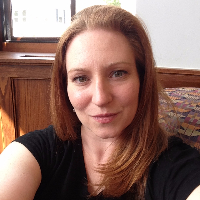
Kimberley Haley
LMHC
Massachusetts - 20yrs exp








How DBT approaches obsessive-compulsive patterns
When intrusive thoughts and repetitive behaviors are interfering with your daily life, DBT offers a structured, skills-based way to respond to those experiences differently. Rather than promising a single quick fix, DBT teaches practical skills that help you notice thoughts and urges without reacting automatically, tolerate intense discomfort, regulate strong emotions, and manage relationships that can be affected by OCD-related behaviors. These core skill modules - mindfulness, distress tolerance, emotion regulation, and interpersonal effectiveness - provide a framework for reducing the impact of obsessive thinking and compulsive responding on your routines and relationships.
Mindfulness helps you develop a steadier awareness of thoughts and sensations so that obsessions can be observed rather than acted on. Distress tolerance gives you strategies to get through a high-anxiety moment without performing a ritual. Emotion regulation offers tools to reduce the intensity and frequency of emotional surges that often drive compulsions. Interpersonal effectiveness supports communication and boundary-setting when OCD affects your interactions with partners, family, employers, or medical providers. In clinical practice, therapists trained in DBT often integrate these modules with exposure-based work, tailoring skills practice to the specific ways OCD shows up for you.
Finding DBT-trained help for OCD in Massachusetts
In Massachusetts you will find DBT-trained clinicians working in a range of settings - outpatient clinics, university counseling centers, community mental health organizations, and independent practices. Cities such as Boston and Cambridge host a number of specialists with formal DBT training and experience in delivering both individual DBT therapy and skills groups. Worcester, Springfield, and Lowell also have clinicians who incorporate DBT when treating obsessive-compulsive symptoms, and many therapists statewide provide telehealth sessions so you can access skill-based care from your home.
When using the directory, look for therapist profiles that describe specific DBT training, mention ongoing consultation or membership in DBT consultation teams, and note experience applying DBT skills to anxiety-related difficulties. A listing that describes offering skills groups alongside individual therapy is a sign that you may be able to access the full DBT skills curriculum. Because approaches and specialties vary, reading profiles for clinicians in nearby cities can help you find someone whose orientation and scheduling match your needs.
Questions to ask when you reach out
When you contact a potential DBT therapist, it can help to ask about how they adapt DBT for OCD - whether they combine skills training with exposure and response strategies, how they structure skills groups, and what kind of between-session coaching they offer. You might inquire about session length and frequency, whether they provide telehealth across Massachusetts, and how they coordinate care with prescribers or other professionals when medication is part of your treatment plan. These conversations will give you a clearer sense of whether a therapist’s approach fits the way you prefer to work.
What to expect from online DBT sessions for OCD
If you choose virtual DBT work, you can expect a blend of individual therapy sessions, live skills group meetings, and in-the-moment coaching that helps you apply skills to real-life urges and exposures. In individual sessions you and your therapist typically map patterns that lead to compulsive responses, practice problem-solving and chain analysis, and set concrete goals for applying DBT skills between meetings. Skills groups focus on learning and rehearsing the four DBT modules in a taught, interactive format. Many clinicians also offer phone or messaging coaching between sessions to support you when an urge or distressing moment arises and you want to use a skill instead of a ritual.
Online delivery can be particularly convenient if you live outside of Boston and need access to qualified DBT clinicians who might be based in larger metro areas. Sessions by video allow for role-plays and live skills practice, and group formats work well when confidentiality and participant guidelines are clearly explained by the group leader. If you prefer in-person work, therapists in Worcester, Springfield, and Lowell may offer office-based groups or hybrid options that combine telehealth with occasional in-person meetings.
Evidence and clinical experience supporting DBT for OCD
DBT was developed as a comprehensive skills-based therapy and has a strong track record for helping people with difficulties stemming from emotion dysregulation. While exposure-based approaches remain a primary evidence-based treatment for core OCD symptoms, clinicians increasingly report that applying DBT skills can strengthen a person’s ability to tolerate distress during exposures, manage the emotional fallout of compulsions, and improve interpersonal functioning impacted by OCD. Research and clinical innovation have explored integrated protocols that combine DBT skills training with exposure work, with promising reports that the skills enhance adherence to exposure tasks and reduce the disruptive impact of anxiety.
If you want more detail about the evidence base, ask potential therapists how they measure progress and what outcomes they monitor during treatment. A clinician who can describe how they track symptom change, skill use, and functioning in daily life will help you understand what to expect and how therapy progress will be evaluated in your case.
Tips for choosing the right DBT therapist in Massachusetts
Choosing a therapist is both a practical and personal decision. Start by narrowing your search to clinicians who explicitly note DBT training and experience with OCD or anxiety-related issues. Check whether they offer a combination of individual therapy and skills groups, since access to the full skills curriculum can be important for steady progress. Consider logistical factors - whether they accept your insurance, offer sliding scale fees, and have hours that fit your schedule. If you live near Boston or Cambridge you may have access to a larger pool of specialists; if you are outside those hubs, telehealth can broaden your options and connect you to clinicians in other parts of the state.
During an initial consultation pay attention to how the therapist explains their approach. You should feel that your concerns are heard and that the planned treatment will include concrete skill practice and opportunities to test new responses in everyday situations. Ask about group curriculum, how long a typical course of skills training lasts, and how the therapist supports you when exposures or homework feel especially difficult. Cultural competence, language availability, and experience working with people from diverse backgrounds are also important considerations when selecting someone who will be a good fit.
Practical next steps
Use the clinician listings below to identify several therapists whose profiles align with your needs and reach out to schedule brief phone or video consultations. Prepare a few questions in advance about DBT training, how the therapist integrates skills with exposure work, and what early weeks of therapy might look like. If you are taking medication or working with other professionals, mention that during the first contact so the therapist can explain how they coordinate care. If you prefer in-person meetings, search for options in your city - Boston, Worcester, Springfield, Cambridge, or Lowell - and if telehealth is a priority, look for listings that clearly describe virtual group and individual services.
DBT can offer reliable tools to help you respond differently to obsessive thoughts and compulsive urges. By focusing on skill acquisition and real-world application, you can build a practical toolkit that supports exposure work and reduces the ways OCD interferes with your goals. Take your time comparing profiles, ask targeted questions, and choose a therapist whose training, approach, and availability match what you need to move forward.