Find a DBT Therapist for Depression in Massachusetts
This page lists DBT-trained clinicians in Massachusetts who specialize in treating depression using a skills-based approach. Browse the listings below to compare experience, availability, and local or online services that match your needs.



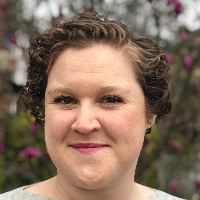
Kimberley Haley
LMHC
Massachusetts - 20yrs exp

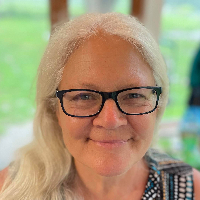
Denise Buckingham
LICSW
Massachusetts - 8yrs exp

















How DBT Approaches Depression
Dialectical Behavior Therapy focuses on building practical skills you can use when depressive thoughts and feelings interfere with daily life. DBT is organized around four core modules - mindfulness, distress tolerance, emotion regulation, and interpersonal effectiveness - and each module offers tools that translate directly to the challenges of depression. Mindfulness helps you notice downward spirals in thinking without becoming overwhelmed by them. Distress tolerance provides strategies to navigate moments of intense despair or hopelessness when immediate change is not possible. Emotion regulation teaches you how to identify and shift intense emotions so they are less likely to drive unhelpful behaviors. Interpersonal effectiveness helps you maintain relationships and boundaries, which can be especially important when depression makes social interaction feel draining or fraught.
When DBT is applied to depression, the emphasis is often on strengthening skills so you gain a clearer sense of what helps and what does not in your daily life. Rather than suggesting quick fixes, DBT equips you with practices to reduce reactivity, manage low mood, and improve functioning even when symptoms persist. Therapists trained in DBT typically adapt the pacing and emphasis of these modules to match the severity and pattern of your depressive experience.
Finding DBT-Trained Help for Depression in Massachusetts
In Massachusetts you will find DBT clinicians working in a range of settings - outpatient clinics, community mental health centers, private practices, and hospital-affiliated programs. Larger urban centers such as Boston and Cambridge often offer more group-based DBT programs and specialty clinics, while cities like Worcester, Springfield, and Lowell may provide a mix of individual DBT and community group options. If you live outside a major city, many therapists offer telehealth sessions that allow you to connect with DBT-trained providers across the state.
When searching, look for clinicians who describe formal DBT training, experience facilitating skills groups, and participation in consultation teams. Some providers practice comprehensive DBT that includes individual therapy, weekly skills group, and between-session coaching. Others may use DBT-informed techniques within a broader therapeutic approach. Both can be helpful, but you should be clear about the model the therapist follows and how they plan to help you specifically with depression.
What to Expect from Online DBT Sessions for Depression
If you choose online DBT, you can expect many of the same components as in-person care - individual therapy focused on your goals, structured skills training, and access to coaching for moments of crisis or urgent difficulty. Individual sessions typically focus on applying DBT strategies to the situations that most interfere with your functioning, such as sleep disruption, low motivation, or patterns of withdrawal. Skills groups provide a chance to learn and practice mindfulness, distress tolerance, emotion regulation, and interpersonal techniques in a supportive setting. Between-session coaching helps you use skills in real time when you face triggering situations.
Online delivery allows greater flexibility around scheduling and access, particularly if you live in a more rural part of Massachusetts or if travel is difficult. Many clinicians use video platforms to run skills groups and individual sessions, and some combine synchronous group meetings with asynchronous resources like worksheets and recorded skills lessons. You should ask potential therapists how they handle group etiquette, privacy in virtual sessions, and crisis planning when working remotely. Good online DBT programs also make clear how to reach a clinician between sessions for urgent support and how emergency situations are managed locally.
Evidence and Outcomes for DBT and Depression
Research on DBT has most often focused on emotion dysregulation and self-harm, but a growing body of literature supports its value for depressive symptoms, particularly when depression co-occurs with problems in emotion regulation or interpersonal functioning. Studies suggest that the skills taught in DBT can reduce avoidance, improve mood stability, and increase engagement in meaningful activities. In Massachusetts, many community clinics and university-affiliated programs integrate DBT principles into care for mood disorders, and clinicians often adapt the standard model to emphasize the areas most relevant to depression.
When evaluating evidence, consider whether a program follows the DBT framework closely - for example, offering both skills group and individual therapy and using behavioral targets to guide treatment. Outcomes are often better when the model is delivered with fidelity, when therapists participate in consultation teams, and when clients can access consistent skills training over time. You can ask providers about outcome measures they use, typical course length for clients with depression, and how they tailor DBT skills to your situation.
Tips for Choosing the Right DBT Therapist in Massachusetts
Choosing a therapist is a personal decision influenced by clinical fit, logistics, and rapport. Start by clarifying what you need from treatment - whether you prefer a structured program with weekly group skills training, individual sessions focused on relapse prevention, or a hybrid model that fits around work or family responsibilities. Ask prospective clinicians about their DBT training, how long they have been working with depressive disorders, and whether they run or refer to skills groups. You should also inquire about session frequency, fees, insurance participation, sliding scale options, and whether they offer telehealth across Massachusetts if travel is a concern.
It is reasonable to ask a clinician how they would apply each DBT module to your depression. For example, ask how mindfulness exercises might help interrupt negative thought patterns, or how distress tolerance tools can be used when you feel overwhelmed. If interpersonal difficulties are a part of your depression, ask how interpersonal effectiveness skills will be integrated into therapy. A good conversation about these topics will give you a sense of the therapist's style and whether their approach aligns with your preferences.
Practical Considerations and Local Resources
When you narrow your search in Massachusetts, consider practical details like location, availability, and program format. If you prefer in-person sessions, look for providers in or near Boston, Cambridge, Worcester, Springfield, or Lowell where group offerings may be more frequent. If group schedules are limited in your area, telehealth expands your options to clinicians statewide. Community mental health centers and academic hospitals may offer specialty DBT tracks, while private practitioners often provide more flexible scheduling.
Before beginning therapy, clarify how progress will be measured and what a typical course of DBT for depression might look like. Some people work with DBT clinicians for several months to build and practice core skills, while others engage in longer-term therapy when depression is chronic or co-occurs with other conditions. Setting achievable goals with your therapist - such as improving sleep, increasing social contact, or reducing the intensity of negative self-talk - helps you track change and stay motivated.
Making the Most of DBT Treatment
To get the most from DBT, practice the skills regularly between sessions and bring concrete examples of when you tried them and what happened. Skills are most effective when applied to real-life situations, so consistent practice - even for a few minutes a day - can lead to noticeable changes in how you respond to low mood. Be open with your therapist about what works and what does not, and collaborate on adjustments to the plan. If you encounter barriers such as transportation, scheduling, or insurance limitations, discuss these early so alternatives like telehealth or a referral to a nearby group can be explored.
Finding the right DBT therapist in Massachusetts can feel like a process, but focusing on training, program structure, and the therapist's approach to the four DBT modules will help you make an informed choice. Whether you are in Boston, Worcester, Springfield, Cambridge, Lowell, or elsewhere in the state, there are clinicians who use the DBT framework to help people manage depression in practical, skills-driven ways. Use the listings above to compare options and take the next step toward care that emphasizes skill-building, emotional balance, and clearer everyday functioning.