Find a DBT Therapist for Addictions in Massachusetts
This page connects you with Massachusetts clinicians who use Dialectical Behavior Therapy (DBT) to address addictions and related difficulties. Explore profiles of therapists trained in DBT and browse the listings below to find an approach and location that fit your needs.



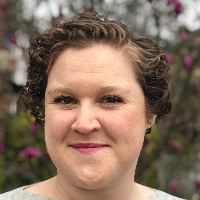
Kimberley Haley
LMHC
Massachusetts - 20yrs exp

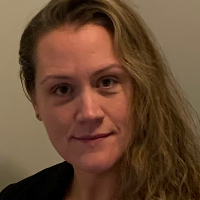
Denise Buckingham
LICSW
Massachusetts - 8yrs exp
















How DBT Approaches Addictions
When you look at treatment for addictions through the lens of DBT, the focus shifts from blame and willpower to developing specific skills that help you manage urges, regulate intense emotions, and build a life worth living. DBT is a skills-based therapy originally developed to help people with intense emotional dysregulation. Over time clinicians have adapted DBT strategies to address substance use and other addictive behaviors by targeting the emotional and interpersonal patterns that often drive those behaviors. Rather than promising a simple cure, DBT gives you concrete tools - practiced repeatedly - to change how you respond when cravings, stress, or relationship conflicts arise.
The four central DBT modules - mindfulness, distress tolerance, emotion regulation, and interpersonal effectiveness - each play a role in addiction work. Mindfulness helps you notice urges and cravings without automatically acting on them. Distress tolerance teaches ways to ride out intense feelings safely when you cannot change the situation right away. Emotion regulation builds skills to reduce vulnerability to extreme mood swings and to recover more quickly after setbacks. Interpersonal effectiveness helps you assert your needs and set boundaries so that relationships do not trigger relapse loops. A DBT-informed program for addiction blends these skills training modules with individual therapy and coaching so the learning translates into real life.
Finding DBT-Trained Help for Addictions in Massachusetts
If you are searching in Massachusetts, you have options across urban and regional settings - from Boston and Cambridge to Worcester, Springfield, and Lowell. Start by checking therapist profiles for explicit DBT training and experience working with addictive behaviors. In Massachusetts you will encounter licensed clinical social workers, psychologists, licensed mental health counselors, marriage and family therapists, and psychiatrists who incorporate DBT into their work. Licensing type and years of experience are useful markers, but also look for details about how they deliver DBT - whether they offer full-program DBT, DBT-informed treatment, or skills-only groups. Full-program DBT typically combines individual therapy, a weekly skills group, and phone or in-session coaching. DBT-informed treatment might integrate the skills into a broader recovery plan.
Geography matters in practical terms. In Boston and Cambridge you will often find more clinicians offering intensive DBT programs and multiple skills groups each week. Worcester and Springfield offer a mix of community clinics and private practitioners who provide DBT-informed care. In smaller cities like Lowell you may find fewer full-program DBT teams, but many clinicians offer telehealth or periodic skills groups that make DBT more accessible. When location limits options, telehealth can expand your choices across the state.
What to Expect from Online DBT Sessions for Addictions
Online DBT sessions follow the same basic structure as in-person care, but with adjustments for the virtual format. You can expect individual therapy sessions focused on your personalized treatment targets and a weekly skills group where you learn and practice the four DBT modules with others. Many DBT clinicians also offer coaching - often called between-session coaching - to help you apply skills during moments of crisis or strong urges. Coaching may be available by scheduled calls or brief messaging within agreed-upon boundaries. Expect the clinician to discuss how coaching is arranged, what kinds of contacts are appropriate, and how to handle emergencies locally.
Before your first virtual session you will likely receive information about the technology, session length, fees, and cancellation policies. Therapists in Massachusetts generally use video platforms that meet professional standards for handling client information. You should have a clear conversation about what to expect during the initial assessment, including how your goals will be set and how progress will be measured. If you participate in online skills groups, the group leader will explain group norms, expectations around attendance and practice, and how homework or in-session exercises will be handled remotely.
Evidence and Support for DBT in Addiction Treatment
Research and clinical experience suggest DBT can be helpful for people whose addictive behaviors are closely tied to emotional dysregulation, impulsivity, or self-destructive coping. In practice, DBT is often used alongside other elements of addiction care, such as medical support, medication management when appropriate, and community recovery services. In Massachusetts, many providers integrate DBT into outpatient addiction programs, behavioral health clinics, and private practice to address the emotional and relational factors that contribute to relapse.
When you evaluate evidence, consider that DBT emphasizes behavioral change through skills practice and therapist coaching. Clinicians often report improvements in emotional control, reductions in impulsive behaviors, and better engagement with other treatment components when DBT skills are consistently applied. While individual results vary, DBT's structured approach can help you develop long-term strategies for maintaining recovery and managing triggers in daily life.
Practical Tips for Choosing the Right DBT Therapist in Massachusetts
Start by identifying clinicians who explicitly state DBT training and experience with addictions. Contact potential therapists and ask about the format they use - whether they offer full-program DBT, skills-only groups, or DBT-informed individual therapy. Ask how they integrate the four DBT modules into addiction work and how they coordinate care with medical providers or local support services if needed. In larger cities like Boston and Cambridge you may have the luxury of comparing multiple full-program teams. In other areas consider telehealth options to access specialized DBT clinicians.
Ask about practical matters such as session frequency, expected duration of treatment, fees, and whether they work with your insurance. If affordability is a concern, inquire about sliding scale options or community clinics that offer DBT groups. You should also discuss how coaching is provided and what boundaries are in place for phone or messaging contact. A clear conversation about confidentiality, emergency planning, and how relapse will be handled should be part of your initial assessment so you understand how the therapist supports you through setbacks without judgment.
Trust your instincts about the therapeutic fit. DBT is collaborative and active - you will be asked to practice skills, track urges and behaviors, and bring real-life problems into sessions. If you feel the therapist listens, explains DBT concepts clearly, and helps you set realistic, measurable goals, those are good signs of compatibility. It is also reasonable to ask for references to groups or other resources they use in Massachusetts, such as local skills training options or recovery services in the Boston, Worcester, or Springfield areas.
Making the Most of DBT for Addictions
DBT requires consistent practice. You should expect to spend time outside sessions practicing mindfulness exercises, distress tolerance strategies, emotion regulation techniques, and interpersonal skills. Over time these practices can shift how you respond to triggers and reduce the automatic pull toward addictive behaviors. Combining DBT with peer support, primary care, or psychiatric consultation when necessary helps build a comprehensive recovery plan tailored to your needs and the resources available in your community.
If you are ready to begin, use the listings above to compare clinicians by training, services offered, and location. Whether you are in Boston, Worcester, Springfield, Cambridge, Lowell, or a smaller town, there are DBT-informed options to help you strengthen skills, manage urges, and move toward a more stable pattern of recovery in 2026 and beyond.