Find a DBT Therapist for Self Esteem in Maryland
Explore DBT therapists in Maryland who specialize in working with self esteem through a skills-based approach. Browse the listings below to find clinicians trained in mindfulness, distress tolerance, emotion regulation, and interpersonal effectiveness.











Lynne Peters
MD, LCPC
Maryland - 13yrs exp

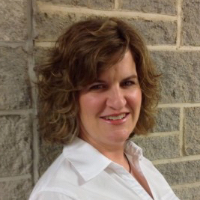



Heather McQuay
MD, LCSW-C
Maryland - 20yrs exp








How DBT addresses self esteem
Dialectical Behavior Therapy is built around practical skills that help you change how you relate to your thoughts, emotions, and relationships - and those changes can have a direct effect on how you see yourself. Rather than focusing only on cognitive reframing, DBT teaches you to observe and describe inner experiences without judgment, tolerate difficult feelings without making impulsive decisions, learn strategies to manage intense emotions, and practice clear, effective communication. Those four skill modules - mindfulness, distress tolerance, emotion regulation, and interpersonal effectiveness - together create a scaffold for rebuilding a more resilient self image.
Mindfulness helps you notice self-critical thoughts as passing mental events instead of absolute truths. Distress tolerance gives you tools to cope when old patterns of self-attack get triggered and you are feeling overwhelmed. Emotion regulation teaches you to identify and change patterns of intense mood swings that often undercut confidence. Interpersonal effectiveness trains you to assert your needs and set boundaries in ways that reinforce respect for yourself. When you practice these skills consistently, they support steady shifts in the day-to-day feelings and behaviors that shape self esteem.
Finding DBT-trained help for self esteem in Maryland
When you look for DBT-trained clinicians in Maryland, you will find therapists based in urban centers like Baltimore and Silver Spring as well as suburban areas such as Columbia, Annapolis, and Rockville. Many clinicians combine individual DBT with skills group work, and some practices offer comprehensive DBT programs while others integrate DBT-informed techniques into broader therapy approaches. Start by searching for therapists who list explicit DBT training or certification and who describe experience working with issues related to self image, shame, or chronic self-criticism.
It is also worthwhile to consider practical factors that influence your access and ongoing engagement. If you live near Baltimore you may have access to multiple group skills options; if you are outside major cities, telehealth options can expand your choices. Ask prospective therapists about the format they use for skills training, whether they coordinate individual and group sessions, and how they support practice between sessions. These logistics matter because consistent practice and a sustained therapeutic relationship are often key to improving self esteem over time.
What to expect from online DBT sessions for self esteem
Online DBT follows the same core structure as in-person work but adapts delivery for a virtual setting. You can expect individual therapy to focus on your specific patterns - thoughts that erode your confidence, behaviors that undermine your relationships, and situations that trigger intense self-criticism. Your therapist will work with you to prioritize target behaviors and create measurable goals linked to DBT skills practice.
Skills groups delivered online tend to emphasize experiential learning and repeated practice. In a group, you will learn how to observe thoughts with mindfulness, apply distress tolerance techniques when shame arises, use emotion regulation strategies to modulate feelings that undercut self esteem, and role-play interpersonal effectiveness to practice asking for what you need. The group context can be especially valuable because it offers feedback and modeling from peers, which can challenge negative self-beliefs and reinforce new, healthier self-views.
Coaching support is another common element. It is meant to help you apply DBT skills in real time when upsetting situations occur. Coaches work with you to map out how to use a skill in a specific moment, which reduces the likelihood of falling back into old patterns. If you opt for online care, confirm how coaching interactions are handled - some clinicians provide brief check-ins by phone or messaging to help you generalize skills into daily life.
Evidence and outcomes for using DBT with self esteem concerns
DBT originated as a treatment for emotional dysregulation, but over time clinicians have adapted its skill-based model to address a range of challenges that influence self image. Research has shown that DBT improves emotion regulation, reduces impulsive behavior, and increases interpersonal functioning - all of which are closely tied to how people evaluate and treat themselves. While studies often focus on diagnostic categories, many therapists report meaningful improvements in self esteem when clients engage consistently with DBT skills and practice behavioral experiments that test negative self-beliefs.
Across Maryland, clinicians trained in DBT bring these evidence-informed techniques into community settings, clinics, and private practices. You may find outcome data or case descriptions through local clinics or professional networks that illustrate how DBT skills have helped people handle shame, reduce self-criticism, and build more adaptive relational patterns. Ask a therapist about the kinds of improvements others have experienced and how progress is monitored in their practice - for example through regular goal reviews or skill usage tracking. That information can give you a realistic sense of what to expect.
Choosing the right DBT therapist for self esteem in Maryland
Picking a therapist is a personal process, and the right fit often depends on more than credentials alone. Start by looking for clinicians who explicitly train in DBT and who describe experience applying DBT skills to issues like low self-worth, shame, or harsh self-criticism. During an initial consultation, ask how they integrate the four DBT modules into work on self esteem and what a typical course of therapy looks like - whether they recommend a skills group, how they handle coaching support, and how they measure progress.
Think about the style and structure you respond to. Some therapists follow a manualized DBT model with regular group skills training and a team consultation structure. Others use DBT-informed individual therapy and tailor exercises to focus on the beliefs and behaviors that keep your self esteem low. Consider whether you prefer a more directive approach with explicit skills practice and homework or a gentler pacing that allows for more exploration. If you are in or near Baltimore, Columbia, or Silver Spring you may be able to sample different formats in person. If you rely on telehealth, inquire about group schedules, session length, and how interaction is managed online to ensure you will get the interpersonal practice that supports change.
Practical questions matter as well. Ask about session frequency, the availability of group options, typical treatment duration, cancellation policies, and whether the clinician accepts your insurance or offers a sliding fee scale. Clarify how out-of-session coaching works so you know how to get support when a challenging moment arises. Finally, trust your sense of rapport. Improving self esteem often requires honest reflection and trying new behaviors, so a therapist who makes you feel heard and respected can make the difference in sustaining effort over time.
Local considerations
If you live in Maryland, access to care varies by region. Urban areas like Baltimore and Silver Spring tend to have a higher concentration of DBT programs and skills groups, while suburban communities such as Columbia, Annapolis, and Rockville may offer skilled clinicians who provide hybrid or online services. Your choice may balance convenience with the specific expertise you want. For example, you might prioritize a therapist who has supervised experience with DBT skills groups if you value group learning, or you might choose a clinician who specializes in trauma-informed DBT adaptations if your low self esteem is linked to past trauma. Exploring therapists across nearby cities can broaden your options and increase the chance of a good match.
Next steps
When you are ready, use the listings above to review profiles, read about clinician training, and reach out for a consultation. Asking targeted questions about DBT methods, how skills are practiced, and how progress is tracked will help you choose a therapist who aligns with your goals. With consistent practice of mindfulness, distress tolerance, emotion regulation, and interpersonal effectiveness skills, many people find that their relationship with themselves becomes kinder, more grounded, and more flexible over time.