Find a DBT Therapist for Gambling in Maine
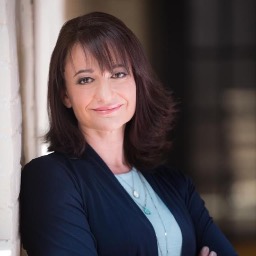
This page lists DBT-focused clinicians in Maine who work with people struggling with gambling problems. The therapists use a skills-based DBT approach - explore the profiles below to connect with DBT care in Portland, Lewiston, Bangor and other Maine communities.
How DBT applies to gambling behaviors
Dialectical Behavior Therapy is a structured, skills-based approach that helps you notice what happens before, during and after urges to gamble. Rather than focusing only on stopping the behavior, DBT teaches practical skills you can use in the moment and over time. Mindfulness helps you become aware of urges without automatically acting on them. Distress tolerance gives you tools to get through intense cravings when avoiding an immediate response is the most important step. Emotion regulation helps you identify patterns of intense feelings - such as shame, boredom or excitement - that often drive gambling, and teaches skills to change those emotional trajectories. Interpersonal effectiveness supports you in managing relationships, asking for help, setting boundaries and negotiating financial conversations that may be entangled with gambling patterns.
A skills-based model for impulse-driven problems
When gambling feels like a compulsion, the DBT framework shifts the work from willpower to skills practice. You learn to observe urges with curiosity rather than judgment, to apply short-term coping strategies so an urge can pass, and to make longer-term changes that reduce the intensity and frequency of urges. By practicing skills in individual sessions and in group settings, you build habits that change how you respond to triggers. This approach can be applied whether you are dealing with sporadic losses of control or more persistent gambling-related difficulties such as chronic chasing of losses or recurrent financial harm.
Finding DBT-trained help for gambling in Maine
If you are searching for DBT help in Maine, you will find options across urban and rural areas. Many clinicians in Portland offer DBT-informed treatment, and there are DBT practitioners in Lewiston and Bangor who work with addictive or impulsive behaviors. You can look for therapists who explicitly list DBT training, DBT consultation team membership, or additional experience adapting DBT for impulse-control issues. Clinics and independent practitioners may provide full DBT programs, shorter-term DBT-informed treatment, or adaptations that emphasize the skills most relevant to gambling. When you review profiles, pay attention to descriptions of treatment components - whether they include individual therapy, skills groups and coaching - and whether the therapist has experience integrating DBT with practical financial planning support or community resources in Maine.
What to expect from online DBT sessions for gambling
Online DBT can be an accessible option in Maine, especially if you live outside major cities or have limited transportation. Typical online DBT care includes weekly individual sessions where you and a therapist apply DBT strategies to your specific gambling triggers and life circumstances. Those individual sessions focus on behavioral analysis, skill coaching and problem-solving tailored to your goals. Skills groups offer a structured class-like format where you learn and practice mindfulness, distress tolerance, emotion regulation and interpersonal effectiveness with other participants. Online groups can mirror in-person groups in content and structure, and they often include role-play, worksheets and home practice assignments.
Between sessions you may have access to coaching - brief, skills-focused support from your DBT team when urges arise or when you need help applying a skill in real time. This coaching is meant to help you use skills in daily life rather than provide ongoing crisis management. Technology-wise, expect video sessions that include screen-sharing for worksheets, email or portal messaging for scheduling and handouts, and clear discussion of privacy and communication boundaries at the start of care. If you prefer face-to-face work, many Maine clinicians offer a mix of in-person and telehealth options, and some programs in Portland or Bangor may run in-person skills groups at set locations.
What the evidence says and clinical experience in Maine
DBT was originally developed as a comprehensive treatment with clear structure and measurable skills training. Over the years clinicians and researchers have adapted the model to address a range of impulse-control and addictive behaviors, including problematic gambling. Research and clinical reports suggest that DBT's focus on urge management, emotional regulation and behavioral change can be a useful framework for people trying to reduce gambling-related harm. In Maine, clinicians apply these evidence-informed strategies while also taking into account local factors - availability of community resources, the rural-urban divide, and the social context of gambling in different towns. You may find therapists who collaborate with local support services, financial counselors or family supports to create a coordinated plan that fits your life in Portland, Lewiston, Bangor or other Maine communities.
Choosing the right DBT therapist for gambling in Maine
Finding the right therapist is a personal process. Start by looking for clinicians who specifically mention DBT skills and experience adapting the model for gambling or other impulse-related challenges. Ask whether they offer the full DBT program - which typically includes individual therapy, skills groups and coaching - or whether they provide DBT-informed individual work. Consider logistics that matter to you, such as whether they offer evening groups if you work, whether telehealth is available if you live outside city centers, and whether they have experience coordinating with financial advisors or family supports when needed.
When you contact a clinician, it is reasonable to ask about their training in DBT, how they tailor skills to gambling, and what a typical course of treatment looks like. You can ask how they measure progress and how they involve family or close supports when that is helpful. If you are connecting with someone in Portland or Bangor, ask about local groups or community partners. If you live in a smaller town such as Lewiston or a rural area, ask how the therapist uses telehealth to bridge gaps and how they handle emergent needs between sessions. Trust your sense of fit - the right clinician for you will explain the DBT approach clearly, listen to your goals, and outline a plan that feels achievable.
Practical considerations when choosing care
Insurance coverage, sliding scale options and session frequency are practical matters you should consider up front. Some DBT programs have structured enrollments for skills groups while others have rolling admissions. If cost is a concern, inquire about reduced-fee options or referral resources in your area. Accessibility is also important - check whether the clinician offers materials and handouts that match your learning style, whether groups are scheduled at convenient times, and whether the therapist has experience working with people from similar backgrounds or life situations. Taking time to ask these questions can help you find a provider who offers both the DBT expertise and the practical fit you need.
Taking the next step
Starting DBT for gambling in Maine often begins with a single phone or video consultation. That conversation is a chance to describe your goals, learn how the clinician uses the four DBT skill modules in treatment, and get a sense of how you might work together. Whether you connect with someone in Portland, Lewiston, Bangor or elsewhere in the state, DBT offers a clear set of tools you can practice right away. Over time those skills can change how you relate to urges, manage intense emotions and rebuild relationships and finances affected by gambling. If you are ready to explore DBT for gambling, use the therapist profiles on this page to compare approaches, ask targeted questions, and choose a clinician who fits your needs and circumstances in Maine.