Find a DBT Therapist for Mood Disorders in Kansas
This page lists DBT therapists across Kansas who specialize in treating mood disorders. Browse the local DBT clinicians below to compare approaches, experience, and availability.






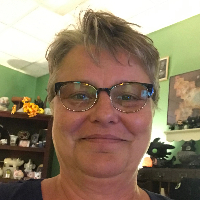







Lauren MacPherson
LSCSW
Kansas - 16yrs exp










How DBT Treats Mood Disorders
Dialectical Behavior Therapy is a skills-based approach that helps you manage intense moods and reduce the behaviors that follow. DBT organizes treatment around four interrelated modules - mindfulness, distress tolerance, emotion regulation, and interpersonal effectiveness - each of which offers practical tools that target the ups and downs common in mood disorders. Mindfulness helps you notice sensations and thoughts without becoming overwhelmed by them. Distress tolerance gives you short-term strategies to get through crises without making choices you may later regret. Emotion regulation teaches you how to identify, name, and change patterns that keep emotions spinning out of control. Interpersonal effectiveness focuses on getting your needs met while maintaining relationships, which is often vital when mood shifts affect work, family, or friendships.
Why a Skills-Based Approach Can Help
When you are living with a mood disorder you often face powerful emotional reactions that can interfere with everyday life. DBT’s emphasis on learning measurable skills gives you concrete strategies to use when a mood spike occurs. Rather than leaving you with only insight, DBT combines learning and practice - you develop habits that change how you respond to triggers. That combination of therapy and practice is particularly useful if you find that moods influence your decisions, relationships, or ability to keep routines.
Finding DBT-Trained Help for Mood Disorders in Kansas
In Kansas you can find DBT-trained clinicians in both urban centers and smaller communities. Many therapists who focus on mood disorders advertise specific DBT training or certifications and describe the way they integrate skills training into individual work. If you are in Wichita or Overland Park you will likely have more in-person options, while Kansas City and Topeka also host clinicians who run DBT skills groups and offer individual sessions. Outside those metros, clinicians may offer telehealth or hybrid models to bring skills groups and coaching within reach. When searching, look for descriptions that mention ongoing DBT consultation, training in the four modules, and an emphasis on skill generalization into daily life.
What to Expect from Online DBT Sessions for Mood Disorders
Online DBT can mirror the structure of in-person work while offering greater accessibility. You can expect individual therapy sessions that focus on understanding your current challenges and applying DBT strategies to your specific patterns. Many programs also run skills groups online where you learn and practice the four DBT modules with other participants. Those groups typically include teaching, role-play, and group discussion to help you transfer skills into your routines. A common component is between-session coaching - brief check-ins or phone-style coaching that help you use skills in real time when a difficult moment arises. When you access DBT remotely you should confirm how group schedules work, how coaching is provided, and whether the clinician coordinates with other providers you may see for medication or medical care.
How DBT Is Used Specifically for Mood Disorders
DBT was developed to address patterns of emotional instability and self-harm, and clinicians have adapted its methods to treat mood disorders that involve mood swings, persistent sadness, or intense reactivity. In practice you and your therapist will identify patterns that maintain mood problems - for example, avoidance that deepens low mood or impulsive behaviors that worsen mood swings. Mindfulness supports noticing early emotional changes. Emotion regulation strategies help you reduce the intensity and duration of strong feelings. Distress tolerance gives you methods to get through acute episodes without increasing harm, and interpersonal effectiveness helps you stabilize social connections that often buffer against worsening mood. In Kansas clinics you may find DBT integrated with other evidence-informed approaches so that skill learning is aligned with medication management or case coordination when appropriate.
Evidence Supporting DBT for Mood Disorders in Kansas
Research literature shows that DBT can improve emotion regulation and reduce behaviors that escalate distress. In community settings across the United States clinicians in Kansas draw on this evidence when offering DBT for mood-related presentations. Local therapists often participate in regional training and consultation groups to maintain fidelity to DBT principles. If you are curious about outcomes, ask prospective clinicians how they measure progress, what outcomes they track, and whether they can share examples of improvements clients commonly report, such as fewer crisis emergency calls, improved mood stability, or better relationships. That conversation can help you evaluate how the clinician applies DBT principles in a Kansas context.
Practical Considerations for Kansas Residents
If you live in Wichita, Overland Park, eastern Kansas including Kansas City, or the state capital Topeka, you will encounter a range of program sizes - from independent practitioners to clinics offering multi-week skills groups. Travel distances in Kansas can be long, so telehealth options are important for many people. Insurance coverage varies and some clinicians offer sliding scale fees or community-based group options. You should ask about session length, whether group work is required or recommended, and how the clinician supports skill practice outside sessions. For residents in rural counties, establishing a relationship with a clinician who provides online skills groups may be the most efficient way to gain access to the full DBT model.
Tips for Choosing the Right DBT Therapist in Kansas
When you evaluate therapists, look beyond the label DBT and consider how they implement it. Ask how they structure treatment - whether they offer both individual therapy and skills groups, how coaching is handled, and what training the therapist has completed. Inquire about experience with mood disorders specifically and whether they have worked with people whose lives resemble yours. You may want to know how long a typical treatment block lasts, how progress is measured, and whether family or partner involvement is part of the plan. For many people, logistical fit matters as much as clinical approach - check availability, session format, and whether they accept your insurance or offer affordable options. If you live near Wichita or Kansas City you can sometimes observe a skills group or attend an initial consultation in person. In smaller cities like Topeka or Overland Park, ask how group sizes and scheduling are handled to ensure the format will support consistent participation.
Questions to Ask During a First Call
During an initial conversation ask how the clinician integrates the four DBT modules into treatment for mood disorders. Ask whether they use structured homework or apps to support practice between sessions and how they handle coaching when you need help applying skills in real situations. Clarify expectations around group attendance, confidentiality policies, and how they coordinate care with prescribers if you are also seeing a psychiatrist. Finally, trust your sense of rapport - a good therapeutic match helps you stay engaged in learning and using DBT skills over time.
Getting Started
Beginning DBT for mood disorders is a process of learning and repeated practice. You can start by reviewing clinician profiles in your area, scheduling introductory calls, and asking about the specific ways therapists use the four DBT modules to address mood-related patterns. Whether you live near the larger hubs like Wichita or Kansas City or in a smaller Kansas community, therapists now offer a mix of in-person and online options to make skills-based work more accessible. Taking that first step - reaching out and asking targeted questions - is the most reliable way to find a DBT clinician who will help you translate skills into daily changes.
If you are ready, use the listings above to compare DBT clinicians across Kansas, check availability for skills groups and individual sessions, and set up a consultation to discuss how DBT might support your recovery and day-to-day functioning.