Find a DBT Therapist for Trauma and Abuse in Georgia
This page lists DBT therapists in Georgia who focus on trauma and abuse, including clinicians serving Atlanta, Savannah, Augusta, Columbus, and Athens.
Browse the profiles below to connect with DBT-focused clinicians who emphasize mindfulness, distress tolerance, emotion regulation, and interpersonal effectiveness.
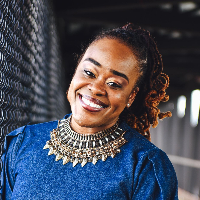


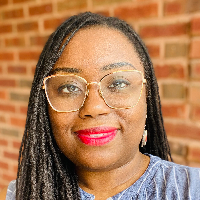

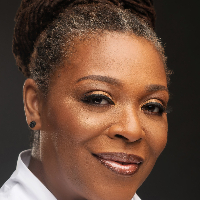


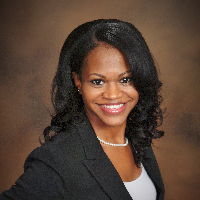
Judith (Judy) Hamilton
CSW
Georgia - 24yrs exp






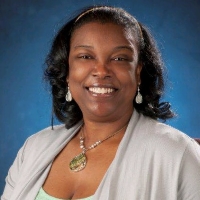
Leslie Sakow
LCSW, CSW
Georgia - 21yrs exp







How DBT approaches trauma and abuse
If you are searching for help after trauma or abuse, DBT offers a structured, skills-based path that can help you manage intense emotions and rebuild daily functioning. Dialectical Behavior Therapy was developed to teach practical skills that reduce reactivity and increase your capacity to respond to distressing experiences. When applied to trauma and abuse, DBT is often adapted to include trauma-informed principles so that skills work and processing proceed at a pace you can tolerate.
The four DBT modules and their role in recovery
Mindfulness helps you notice painful memories, bodily sensations, and triggers without being swept away by them. Developing present-moment awareness lets you observe reactions and choose how to respond rather than react automatically. Distress tolerance gives you tools to get through acute emotional crises - grounding techniques, distraction strategies, and acceptance skills that reduce the urge to use harmful coping behaviors. Emotion regulation teaches you how to understand your emotional patterns, reduce vulnerability to extreme states, and build habits that support steadier moods. Interpersonal effectiveness strengthens your ability to set boundaries, ask for what you need, and navigate relationships that may feel unsafe after abuse. Together these modules form a cohesive toolkit that supports stabilization, symptom management, and eventually deeper therapeutic work.
Finding DBT-trained help for trauma and abuse in Georgia
When you look for a DBT therapist in Georgia, consider both formal DBT training and real-world experience with trauma and abuse. Many clinicians combine standard DBT skills training with trauma-focused strategies and an understanding of how trauma shapes behavior and relationships. You can begin by searching profiles for clinicians who list DBT-specific training, experience running skills groups, and an expressed focus on trauma or abuse survivors. Pay attention to whether a clinician offers individual DBT therapy alongside skills groups and coaching - that combination is often key to consistent progress.
Location matters when you are arranging regular sessions, but telehealth has also expanded access. If you live in Atlanta you may find a wide range of DBT services including comprehensive DBT programs and multiple skills groups. In smaller cities such as Savannah or Augusta, clinicians may offer hybrid options - in-person individual sessions paired with online groups. If you are outside major centers, remote skills groups and video sessions let you connect with DBT-trained providers across Georgia while you maintain local convenience.
What to expect from online DBT sessions for trauma and abuse
Online DBT typically mirrors the structure you would see in person - regular individual therapy, weekly skills groups, and access to between-session coaching. In an individual DBT session you and your therapist will use a combination of behavior analysis, goal-setting, and targeted skills coaching. Diaries or tracking tools are commonly used to monitor urges, behaviors, and skills practice. Skills groups teach mindfulness, distress tolerance, emotion regulation, and interpersonal effectiveness in a classroom-style format so you can practice with others and receive feedback.
Between-session coaching is sometimes available to help you apply a skill during a moment of crisis. Therapists will explain how coaching is offered, the appropriate use of coaching, and the boundaries around availability. For trauma and abuse work, therapists will often emphasize establishing safety and stabilization before moving into intensive trauma processing. Online formats can support this gradual approach by allowing you to work from a comfortable environment, maintain continuity when travel or relocation occurs, and access specialized clinicians who may not be local to your city.
Evidence and clinical practice
There is a growing body of research and clinical experience supporting the use of DBT with people who have experienced complex emotional dysregulation following trauma and abuse. Clinicians in Georgia integrate DBT skills with trauma-informed care to reduce self-harm behaviors, improve emotion management, and strengthen interpersonal functioning. While approaches vary, many practitioners report that DBT skills provide a practical foundation that helps clients tolerate distressing trauma-related symptoms and engage in further trauma-focused therapies when ready. If you want to review evidence, ask potential therapists how they adapt DBT for trauma, what outcomes they track, and how they measure progress in both skills use and symptom reduction.
Tips for choosing the right DBT therapist in Georgia
Choosing a therapist is a personal process and the right match will depend on your needs, preferences, and practical circumstances. Start by identifying whether a clinician has formal DBT training and experience running skills groups, since those are central elements of the model. Ask how they integrate trauma-focused methods with DBT - some therapists use DBT as the primary framework while adding trauma-processing techniques later, while others offer an integrated DBT-PTSD approach. Inquire about the format you prefer - in-person sessions in Atlanta, hybrid care in Savannah or Augusta, or fully online services for greater flexibility.
Consider cultural competence and lived experience factors that matter to you. Georgia is diverse, and you may value a therapist who understands your community, identity, or cultural background. Discuss practical details such as session frequency, group schedules, fees, insurance participation, and options for sliding-scale payment if cost is a concern. During an initial consultation, ask how the therapist establishes a sense of safety, how they handle crises, and what a typical course of DBT for trauma looks like in their practice. Pay attention to how you feel during that first contact - therapeutic fit and a respectful, validating approach are important for sustained work.
Practical considerations and next steps
When you are ready to reach out, use the directory profiles below to compare clinicians who specialize in DBT and trauma across Georgia. If you live near Atlanta you may have more programmatic options and group choices. In Savannah and Augusta, you may find therapists who combine local in-person sessions with regional or online groups to create a consistent plan. If travel or scheduling is difficult, telehealth can expand your options while keeping care in a format that fits your life.
Before committing, you might request a brief phone or video consultation to ask about the therapist's DBT training, experience with trauma survivors, and approach to skills practice. Clarify logistical questions about session length, group attendance expectations, and how coaching is provided. Taking time to evaluate these aspects will help you choose a DBT clinician who is well suited to support recovery from trauma and abuse in a way that respects your pace and priorities.
Finding the right pace
Recovery after trauma and abuse unfolds at your pace. DBT’s emphasis on skill-building gives you concrete ways to manage distress and regain control in daily life before engaging in more intensive trauma processing. By choosing a DBT-trained therapist in Georgia who understands trauma, you are selecting a thoughtful, skills-focused path that can support stabilization, safety, and longer-term healing. Use the listings below to start conversations with clinicians who can help you take the next step.