Find a DBT Therapist for Social Anxiety and Phobia in Georgia
This page connects you with Georgia clinicians who use Dialectical Behavior Therapy to address social anxiety and phobia. You will find therapists trained in DBT skill modules - mindfulness, distress tolerance, emotion regulation, and interpersonal effectiveness - who work with social fears across the state. Browse the listings below to compare providers in Atlanta, Savannah, Augusta, and other Georgia communities.


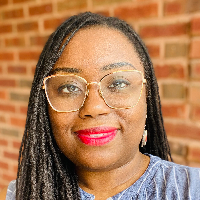


Judith (Judy) Hamilton
CSW
Georgia - 24yrs exp


















How DBT addresses social anxiety and phobia
If you live with social anxiety or a specific social phobia, DBT offers a structured, skills-based framework that can change how you relate to fear and social situations. Unlike approaches that focus only on exposure, DBT teaches practical skills that help you notice reactions, ride out intense feelings, and interact more effectively with others. The therapy is organized around four core modules - mindfulness, distress tolerance, emotion regulation, and interpersonal effectiveness - and each of those plays a clear role in reducing social fear.
Mindfulness: observing without overreacting
Mindfulness skills teach you to notice thoughts, physical sensations, and urges without automatically acting on them. When you enter a crowded room or prepare to speak, mindfulness helps you step back from catastrophic thinking and observe what is actually happening in the moment. That increased awareness gives you options. You can choose a skill or strategy rather than responding on autopilot to anxious thoughts.
Distress tolerance: getting through high-anxiety moments
Distress tolerance provides short-term tools for surviving moments when anxiety spikes. Techniques in this module are designed to reduce immediate suffering when avoidance feels tempting and exposure feels overwhelming. Learning to ride out distress safely allows you to stay in social situations long enough for learning to occur, which is essential for reducing phobia over time.
Emotion regulation: changing how you respond to fear
Emotion regulation skills help you understand why fear intensifies and how to influence its trajectory. You learn to identify triggers, reduce vulnerability factors like exhaustion or low mood, and build positive experiences that counterbalance anxious expectations. These skills support a steady reduction in baseline anxiety so that social interactions become more manageable and less draining.
Interpersonal effectiveness: navigating social situations with confidence
Social anxiety often shows up as difficulty asserting needs, reading social cues, or tolerating perceived rejection. Interpersonal effectiveness skills teach strategies for asking for what you need, saying no, and repairing social missteps. Practicing these skills in therapy and in real life helps build competence and reduces the avoidance that fuels phobia.
Finding DBT-trained help for social anxiety and phobia in Georgia
When you start looking for DBT therapists in Georgia, focus on clinicians who explicitly integrate the four DBT modules into treatment for social anxiety. In larger metro areas like Atlanta and in college towns such as Athens, you may find full DBT programs that include individual therapy, skills groups, and between-session coaching. In smaller communities across the state the same DBT principles are often offered in individual therapy or in adapted group formats. Many therapists will note their experience with social anxiety or public speaking fears in their profiles, and that information helps you narrow options quickly.
Licensure and training matter, but so does the therapist's experience applying DBT to social anxiety specifically. Ask whether they use structured skills teaching, how they implement exposure in the context of DBT skills practice, and whether they offer group work where you can practice interactions in a guided setting. If you live near Savannah, Augusta, or Columbus, you may find clinicians who combine DBT with community-based exposure opportunities relevant to your goals.
What to expect from online DBT sessions for social anxiety and phobia
Online DBT has become a common way to access consistent care across Georgia whether you are located in a city center or a rural county. You can expect a similar skills-based curriculum online as you would in person, with structured sessions that balance skills instruction and targeted exposure work. Individual therapy sessions will usually start with a brief check-in, review of homework or exposure attempts, and collaborative problem-solving focused on your goals for social situations.
Skills groups conducted online give you a chance to learn the DBT modules in a group format and often include role plays or guided practice to simulate social interactions. Participating in a skills group can be especially helpful because it provides repeated, low-stakes opportunities to try interpersonal effectiveness techniques. Between-session coaching is another common component and helps you apply a skill when you are facing an immediate social challenge. Many therapists offer scheduled check-ins or on-the-day support to help you generalize what you learn in session to real-world encounters.
Practical considerations for online work
Online DBT sessions require a reliable internet connection and a quiet place to work where you feel comfortable practicing sensitive material. You should confirm whether the clinician offers individual sessions, group skills training, or coaching, and how they integrate exposure tasks safely into online care. If you prefer in-person contact for some exercises, ask whether they maintain an office in Atlanta or nearby and how often they offer in-person skills workshops.
Evidence supporting DBT for social anxiety and phobia in Georgia
Research on DBT has primarily focused on its original application, but clinicians and investigators have adapted DBT principles to anxiety disorders with promising clinical results. In practice across Georgia, many therapists blend DBT skills with exposure-based strategies to create an individualized plan for social anxiety. That combination works because DBT offers concrete strategies for tolerating distress and managing intense emotions, while exposure reduces avoidance and builds new learning. Local training resources and academic centers in Georgia have also supported clinicians learning DBT adaptations, contributing to growing experience with this approach in communities from Atlanta to Savannah.
When evaluating evidence, consider that outcomes depend on consistent practice of skills, willingness to approach feared situations, and a good match between you and the therapist. Ask potential providers about their experience applying DBT to anxiety, which measures they use to track progress, and whether they can share examples of how they integrate skills training with exposure for social fear.
Tips for choosing the right DBT therapist in Georgia
Choosing a therapist is both practical and personal - you want someone with relevant DBT training and an approach that fits your goals. Start by reviewing provider profiles to learn whether they emphasize the DBT modules and mention experience with social anxiety or phobia. Consider whether you prefer a clinician who offers a full DBT program with skills groups, or someone who integrates DBT skills into individual treatment tailored to exposure goals. If you live in a major urban area like Atlanta, you will often have more programmatic options, while in smaller cities like Augusta or Savannah you may find excellent clinicians who offer flexible online and occasional in-person sessions.
Ask potential therapists about the structure of treatment - how they sequence skills learning, how they design exposure tasks, and what between-session support looks like. Inquire about scheduling, fees, and whether they accept your form of payment. Trust your sense of fit during an initial consultation; a therapist who explains DBT skills clearly, listens to your concerns, and helps you set achievable goals is likely to support meaningful progress.
Making the most of DBT for social anxiety and phobia
Once you begin DBT, expect steady skill practice and repeated opportunities to test new behaviors in social contexts. Progress often feels gradual - you may find that certain interactions become easier while others still provoke anxiety - and that is part of the learning curve. Keep practicing mindfulness to stay present, use distress tolerance during peak moments, apply emotion regulation when underlying patterns emerge, and try interpersonal effectiveness strategies to improve relationships and social confidence. Over time, these skills work together to reduce avoidance and increase your sense of agency in social situations.
If you are ready to take the next step, use the listings above to find DBT clinicians across Georgia. Compare profiles, read about training and approaches, and reach out for a consultation to learn how a DBT-based plan can meet your needs in Atlanta, Savannah, Augusta, or wherever you are in the state.