Find a DBT Therapist for Self Esteem in Georgia
This page lists DBT therapists across Georgia who focus on building self esteem through a skills-based approach. Browse the listings below to find DBT-trained clinicians in cities like Atlanta, Savannah and Augusta.



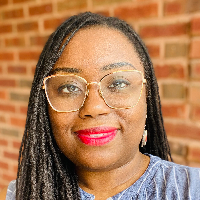



Judith (Judy) Hamilton
CSW
Georgia - 24yrs exp







Leslie Sakow
LCSW, CSW
Georgia - 21yrs exp








How DBT specifically addresses self esteem
Dialectical Behavior Therapy is a skills-based model that helps you change patterns of thinking and behavior that keep self esteem low. Rather than focusing only on talk therapy, DBT teaches concrete practices that you can use in the moment and over time. The four core DBT modules - mindfulness, distress tolerance, emotion regulation, and interpersonal effectiveness - each offer tools that relate directly to the way you view and value yourself.
Mindfulness increases your ability to notice self-critical thoughts without automatically believing them. With regular practice you learn to observe inner experience, name negative self-talk, and create distance from sweeping judgments. Distress tolerance gives you techniques to get through painful emotions and setbacks without escalating into personal attacks or avoidance. That ability to ride out difficult feelings reduces the pattern of blaming yourself for every challenge.
Emotion regulation teaches you how to identify what you are feeling, understand the factors that influence those emotions, and use skills to change unwanted emotional responses. When you can manage intense feelings, it becomes easier to act in ways that support a healthier self-image. Interpersonal effectiveness focuses on asking for what you need and maintaining relationships while respecting your own boundaries. Strengthening these skills can change how others respond to you and, importantly, how you respond to yourself - shaping a more resilient sense of self worth.
Finding DBT-trained help for self esteem in Georgia
When you search for DBT help in Georgia, you will find providers working in private practices, outpatient clinics, and community mental health centers. Urban centers such as Atlanta and Augusta often have larger teams offering both individual DBT and group skills classes, while smaller cities and suburban areas may offer individual DBT with referrals to regional skills groups. If you live near Savannah, Columbus, or Athens you may have access to therapists who balance in-person sessions with online options to expand availability.
Look for clinicians who list DBT training explicitly and who describe experience applying DBT skills to issues like chronic self-criticism, low self worth, or identity concerns. Many DBT therapists combine individual therapy with structured skills training groups because the two together reinforce practice and provide a setting to try new behaviors with others. If you prefer a therapist experienced working with specific populations - for example adolescents, college students, or adults recovering from relationship trauma - check profiles for that focus so you can find a better fit.
What to expect from online DBT sessions for self esteem
Online DBT follows the same principles as in-person treatment but with practical differences that may matter to you. An initial intake is likely to include a structured assessment of your history, current struggles with self esteem, and goals for therapy. Individual DBT sessions will help you apply skills to your personal patterns while creating a prioritized treatment plan. Skills training groups teach the four DBT modules in a class-like format so you learn and practice the techniques alongside peers.
In addition to individual therapy and skills groups, many DBT programs offer between-session coaching so you can get support when a challenging moment arises. Coaching is typically brief and focused - meant to help you use a DBT skill in the moment rather than provide ongoing crisis management. Online delivery makes it easier to join a skills group if you live outside major metro areas, and it can be a good option if scheduling or transportation are barriers.
Expect a clear emphasis on practice. Therapists will often assign skill exercises between sessions and review your use of those skills. Progress can be gradual - building self esteem with DBT is about accumulating small changes in how you think, feel, and behave. Online formats can offer the added benefit of recording or sharing digital materials so you can revisit skills when needed.
Evidence supporting DBT for self esteem
DBT is an evidence-based therapy originally developed for individuals with intense emotional reactions and self-harming behaviors, and researchers and clinicians have extended its use to challenges that include chronic low self esteem. Studies and clinical practice suggest that learning to regulate emotion, tolerate distress, and interact effectively with others reduces patterns of self-blame and self-criticism. While outcomes vary by individual, the skills-centered nature of DBT makes it a strong candidate for people who want actionable techniques rather than abstract insight alone.
In Georgia, clinical programs and university-affiliated training clinics incorporate DBT principles into outpatient care, and therapists trained in DBT apply these methods across diverse settings. If you are interested in evidence and outcomes, ask prospective therapists about the way they measure progress and which DBT tools they emphasize for self esteem. A clinician who tracks skill use and changes in daily functioning can give you a clearer sense of what to expect.
Tips for choosing the right DBT therapist for self esteem in Georgia
Start by clarifying what matters most to you - whether that is a therapist with specific DBT certification, experience with your age group, evening hours, or online availability. When you contact a therapist, you can ask how they integrate DBT skills into work on self esteem and whether they offer both individual sessions and a skills group. It is reasonable to ask about training background, years of experience using DBT, and whether they participate in consultation teams, as ongoing consultation is a common part of maintaining DBT practice.
Consider practicalities like scheduling, session length, and fees, as these affect long-term engagement. If you rely on insurance, ask about coverage and whether the therapist bills insurance or offers sliding scale options. If commuting is a concern, look for providers who offer remote sessions or hybrid care. Many people find that trying a few sessions gives a clear sense of fit - how the therapist explains skills, how comfortable you feel practicing techniques together, and whether the plan feels tailored to your self esteem goals.
Preparing for your first DBT session
Before your first appointment, take a moment to identify the patterns you want to change and a few concrete goals related to self esteem. You might note situations where self-critical thoughts are strongest, or relationships that trigger a sense of worthlessness. Bring these examples to your intake so the therapist can help prioritize which DBT skills to introduce first.
Expect goal-setting and a collaborative discussion of what therapy will involve - how often you will meet, whether you will join a skills group, and what homework looks like. Being open about what has or has not helped in the past will help your therapist select the most relevant DBT strategies for you. Over time, consistent practice of mindfulness, distress tolerance, emotion regulation, and interpersonal effectiveness can create noticeable shifts in how you relate to yourself and others.
Finding local options across Georgia
If proximity matters, search listings for therapists in Atlanta, Savannah, and Augusta, where larger practices and training programs often support DBT groups. In smaller communities such as Columbus or Athens, therapists may provide individual DBT and connect you to regional skills classes or online cohorts. Using a directory that highlights DBT training and the specific focus on self esteem can save time as you compare clinicians and formats.
DBT offers a pragmatic path for addressing low self esteem by giving you skills to notice thoughts, manage emotions, tolerate hardships, and interact more effectively. Whether you choose in-person or online options in Georgia, a DBT-trained therapist can help you apply these techniques to the everyday moments that shape how you see yourself. Take time to review profiles, ask questions about training and approach, and choose a clinician who helps you feel heard and equipped to practice change.