Find a DBT Therapist for Relationship in Georgia
This directory page highlights therapists across Georgia who focus on relationship challenges using Dialectical Behavior Therapy. Review practitioner profiles below to compare treatment style, availability, and how they apply DBT skills to relationship work.


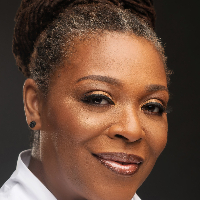


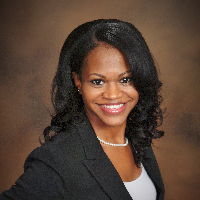
Judith (Judy) Hamilton
CSW
Georgia - 24yrs exp














How DBT approaches relationship challenges
Dialectical Behavior Therapy is a skills-based approach that helps you change patterns that interfere with relationships by teaching concrete skills you can use in daily life. Rather than focusing only on symptoms, DBT emphasizes practical strategies from four interrelated modules - mindfulness, distress tolerance, emotion regulation, and interpersonal effectiveness - that directly target the ways you relate to others. Mindfulness helps you notice your reactions in a moment without getting swept away. Distress tolerance gives you alternatives when conflict or crisis feels overwhelming so you can respond rather than react. Emotion regulation builds your ability to identify, reduce, and recover from intense emotions that often fuel arguments or withdrawal. Interpersonal effectiveness provides specific techniques for asking for what you need, setting limits, and maintaining priorities while preserving relationships.
Applying the DBT modules to relationship work
In practice you learn how mindfulness can interrupt automatic escalation - for example, pausing to notice bodily sensations and thoughts before responding to a partner. Distress tolerance skills offer short-term strategies when emotions peak and you need to avoid saying things you will regret. Emotion regulation helps you map triggers and develop routines that reduce reactivity over time, such as improving sleep, planning recovery breathing, or practicing opposite action. Interpersonal effectiveness teaches you how to balance being clear and assertive with empathy and validation so you can make requests, negotiate conflict, and repair ruptures. Together these skills give you tools to manage conflict, reduce cycles of criticism or avoidance, and increase moments of connection.
Finding DBT-trained help for relationship in Georgia
When you look for DBT therapists in Georgia, you want clinicians who not only understand relationship dynamics but who have specific DBT training and experience applying its skills to interpersonal concerns. Ask prospective therapists about their DBT training - whether they have completed formal DBT certification or intensive workshops - and how they adapt DBT skills for couples or relationship-focused individual work. Providers in larger metropolitan areas like Atlanta often have extensive DBT programs and skills groups, while clinicians in smaller cities or towns may offer telehealth options or hybrid models that connect you with skills training even if an in-person group is not nearby. You can also inquire about whether a therapist participates in DBT consultation teams, which helps maintain model fidelity and ongoing skill development.
Questions to ask when searching
It is helpful to ask how the therapist integrates the four DBT modules into sessions focused on relationships, whether they offer separate skills groups or combined formats, and how they measure progress in interpersonal functioning. You might ask for examples of how they would teach interpersonal effectiveness for a common problem - for instance, asking for increased emotional availability or setting limits around behavior that harms the relationship. Also check practical details such as whether they work with individuals, couples, or both, and whether they provide between-session coaching to help you apply skills in real time.
What to expect from online DBT sessions for relationship
Online DBT can be a practical and effective way to get relationship-focused care, especially if local in-person options are limited. Typical DBT services include weekly individual therapy where you and the therapist target specific behavior patterns, weekly or biweekly skills groups where you learn and practice the four modules with peers, and between-session coaching to help you use skills when situations are unfolding. In an online format individual sessions usually follow the same structure as in person: agenda setting, reviewing homework or skill practice, coaching on current problems, and planning new skill targets. Skills groups over video provide instruction, role play, and homework assignments, and many therapists use shared documents or digital workbooks to track progress.
When you choose online care, consider how comfortable you are working by video and whether you have a quiet environment to attend sessions. Online DBT can make it easier to access experienced clinicians who may be based in Atlanta or other urban centers while you live elsewhere in the state. It also allows partners who live apart or have different schedules to participate more flexibly in conjoint sessions. Ask your therapist how they handle technical issues, how they structure skills practice between sessions, and how they coordinate with partners if couples work is part of the plan.
Evidence supporting DBT for relationship difficulties
Research and clinical practice indicate that DBT helps people improve emotion regulation, reduce impulsive reactions, and enhance interpersonal functioning - all of which are central to healthier relationships. Rather than promising a single outcome, DBT offers a framework for changing patterns that contribute to conflict, withdrawal, or repeated ruptures. Therapists who adapt DBT principles to relationship work report improvements in communication, fewer high-intensity conflicts, and better problem-solving over time when clients consistently practice skills. In Georgia, clinicians draw on this evidence when they offer DBT skills groups and individualized interventions to couples and individuals dealing with relationship strain.
Tips for choosing the right DBT therapist for relationship in Georgia
Start by identifying what matters most to you - whether it is a therapist with formal DBT certification, experience with couples, cultural competence, or flexible scheduling. If you live near Atlanta, Savannah, or Augusta you may have access to larger DBT programs and group offerings; if you live elsewhere, look for therapists who provide telehealth or hybrid services so you can join skills training. When you contact a therapist, ask how they tailor DBT skills to relationship goals, whether they offer coaching between sessions, and how they involve partners when appropriate. Consider logistics such as session frequency, sliding scale options or insurance acceptance, and the therapist's approach to homework and monitoring progress. It can be useful to arrange a short initial consultation to assess fit - how the therapist responds to your concerns, whether their communication style aligns with your needs, and how they plan to track change over time.
Considering cultural and contextual fit
Your cultural background, family patterns, and community values shape relationship expectations and what interventions feel acceptable. Look for clinicians who demonstrate cultural humility and ask about their experience working with people from similar backgrounds or life situations. In many Georgia communities, including urban and rural areas, therapists who are familiar with local norms can help you translate DBT skills into strategies that work within your social context. If cultural match is important, ask about language options, experience with faith or community-based dynamics, and examples of how they adapt DBT to respect your identity.
Making the decision and getting started
Choosing a DBT therapist is a process - you may speak with several clinicians before you find a fit. When you start, expect a collaborative plan that outlines specific relationship goals, the skills you will learn, and how you will measure progress. Be prepared to practice skills between sessions, to attend group work if recommended, and to use coaching supports as needed. Over time DBT offers a practical path to changing interaction patterns, reducing escalation, and building more satisfied, resilient relationships.
Whether you are in Atlanta, Savannah, Augusta, or elsewhere in Georgia, taking the step to connect with a DBT-trained clinician can help you move toward healthier ways of communicating and relating. Use the listings above to compare therapists, ask targeted questions about DBT experience and relationship-focused care, and choose the clinician who feels most aligned with your goals.