Find a DBT Therapist for Isolation / Loneliness in Georgia
This page lists DBT-trained therapists in Georgia who focus on addressing isolation and loneliness. Browse the practitioner profiles below to compare approaches, locations, and availability across Atlanta, Savannah, Augusta, and other communities.


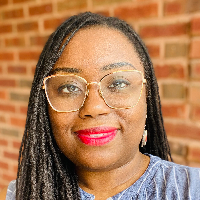



Judith (Judy) Hamilton
CSW
Georgia - 24yrs exp

















How DBT approaches isolation and loneliness
Dialectical Behavior Therapy is a skills-based approach that teaches practical strategies to respond differently to feelings of loneliness and social disconnection. Rather than treating loneliness as a fixed trait, DBT frames it as a set of experiences and patterns you can learn to understand and shift. The work draws on four core modules - mindfulness, distress tolerance, emotion regulation, and interpersonal effectiveness - each of which supports distinct aspects of feeling more connected.
Mindfulness helps you notice the sensations, thoughts, and impulses that accompany loneliness without immediately reacting to them. That pause creates room to choose more adaptive responses. Distress tolerance offers tools for managing intense waves of isolation so you can get through moments when reaching out feels impossible. Emotion regulation gives you strategies to reduce emotional vulnerability over time so that feelings of emptiness or rejection do not escalate into avoidance. Interpersonal effectiveness teaches specific ways to initiate contact, assert needs, and maintain relationships - skills that directly target the behavioral patterns that perpetuate social distance.
How the modules work together in real life
When you combine these modules, DBT supports both the inner experience and the outward behaviors tied to loneliness. For example, you might use mindfulness to notice a rising fear of rejection before it leads to withdrawing. You would then apply a distress tolerance skill to tolerate the discomfort long enough to try a small interpersonal step. Emotion regulation techniques help you manage the intensity so the interaction is more likely to go well, and interpersonal effectiveness offers concrete language and timing to express a need or request. Over time, repeated practice can change patterns and expand your social options.
Finding DBT-trained help for isolation and loneliness in Georgia
Looking for a therapist who explicitly uses DBT will help ensure the work is skills-focused and structured. When searching listings, pay attention to clinicians who list DBT training, skills group offerings, or ongoing consultation with DBT teams. In larger metro areas such as Atlanta, you will often find a wider range of DBT programs, including clinicians who run full standard DBT packages and those who integrate DBT skills into individual therapy. In coastal and regional centers like Savannah and Augusta, clinicians may offer evening skills groups or telehealth options that make participation more accessible.
Licensing rules allow Georgia therapists to provide telehealth to clients across the state, so geography is less of a barrier than it used to be. If you prefer in-person work, search for providers near your city or neighborhood. If schedule or mobility are concerns, many DBT-trained clinicians offer online individual sessions alongside virtual skills groups and phone coaching.
Questions to ask when you reach out
When you contact a potential therapist, it can be helpful to ask about their specific DBT training, how they tailor skills to issues of loneliness, and whether they offer group-based skills training. Ask how they balance individual sessions with group work, and whether brief between-session support or coaching is available for moments when loneliness feels overwhelming. These practical details give you a sense of how the clinician structures care and whether their approach fits your needs.
What to expect from online DBT sessions for isolation and loneliness
Online DBT follows many of the same principles as in-person care but with adaptations for virtual interaction. You can expect individual therapy to focus on personal goals and on applying DBT skills to day-to-day situations where loneliness arises. Skills groups typically meet regularly and provide a curriculum that covers mindfulness, distress tolerance, emotion regulation, and interpersonal effectiveness. Group work is especially useful for loneliness because it provides opportunities to practice social connection in a guided, supported setting.
Many DBT programs also include coaching or brief check-ins between sessions to help you use skills in real time. This coaching may be offered by the therapist or a member of the DBT team and is intended to help you apply skills during moments of isolation or before difficult interactions. From a technology standpoint, clear audio and a comfortable environment enhance the experience. You should expect a collaborative plan that lays out which skills you will focus on each week and measurable goals related to increasing social contact and reducing avoidance.
Evidence and outcomes relevant to loneliness
Research on DBT emphasizes its effectiveness for improving emotion regulation and interpersonal functioning, which are central to addressing isolation. You will find that clinicians adapt DBT skills to target the behaviors and patterns that maintain loneliness - for example, avoidance, harsh self-judgment, or difficulty asking for support. While research on loneliness spans many therapeutic approaches, the mechanism of DBT - learning concrete skills and practicing them in interpersonal contexts - makes it a relevant option for people who want tools they can use immediately.
In Georgia, clinicians working in community clinics, private practices, and university settings have adopted DBT-informed methods to improve social engagement and reduce the intensity of distress associated with isolation. If you are curious about the evidence base, ask prospective therapists how they measure progress and what outcomes previous clients have experienced when the focus has been greater social connection and more effective interpersonal communication.
Tips for choosing the right DBT therapist in Georgia
Choosing a therapist is a personal decision and can feel daunting when loneliness makes reaching out harder. Start by identifying whether you want a full DBT program - which includes individual therapy, skills groups, and coaching - or whether you prefer an individual clinician who uses DBT skills flexibly. If group practice is appealing, check whether sessions meet at times that fit your schedule and whether the group population feels like a good match.
Consider logistics such as location and hours if in-person care matters, or inquire about telehealth options if you live outside major centers. In Atlanta you may find a wider variety of group offerings and specialized clinics. In Savannah and Augusta, therapists often combine online and in-person work to increase access. Ask about insurance participation, sliding scale fees, and session lengths so you can plan sustainably. Equally important is the therapeutic fit - you should feel that the clinician listens to your experience and offers clear ways to practice skills between sessions.
Finally, trust the process of an initial consultation. A short phone call or intake meeting can give you a sense of whether the therapist's style, emphasis on DBT skills, and plan for addressing loneliness align with your goals. It is reasonable to try a few providers before settling on the one who feels most helpful.
Moving forward
If loneliness is affecting your daily life, DBT offers a practical path forward through skill development and guided practice. Use the directory listings above to review clinician profiles, compare training and services, and contact therapists in Atlanta, Savannah, Augusta, and other Georgia communities to schedule an introductory conversation. With consistent practice of DBT skills and the right therapeutic support, you can build more satisfying social connections and greater resilience in the face of isolation.