Find a DBT Therapist for Coping with Life Changes in Georgia
On this page you will find DBT therapists practicing across Georgia who focus on coping with life changes. Use the listings below to compare clinicians trained in DBT skills and connect with a provider who fits your needs.

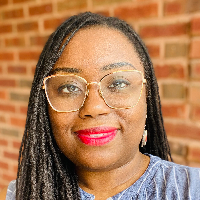



Judith (Judy) Hamilton
CSW
Georgia - 24yrs exp





Leslie Sakow
LCSW, CSW
Georgia - 21yrs exp














How DBT approaches coping with life changes
Dialectical Behavior Therapy, or DBT, approaches life transitions as moments that often produce heightened emotion, uncertainty, and practical strain. DBT frames those experiences in terms of skills you can learn and apply - it is not about eliminating all difficult feelings, but about expanding your capacity to manage them while taking steps that align with your goals. When you are facing a job change, a move, a relationship transition, the end of a caregiving role, or other major life shifts, DBT gives you concrete ways to notice what is happening, tolerate immediate distress, change unhelpful reactions, and maintain effective relationships through the process.
DBT’s four core skill modules each play a role in adjusting to change. Mindfulness helps you observe thoughts, sensations, and impulses without being driven by them. Distress tolerance gives you tools to get through intense moments - the first hours or days after a sudden change - without making choices you might later regret. Emotion regulation teaches strategies to reduce emotional vulnerability and to respond to feelings more intentionally. Interpersonal effectiveness supports setting boundaries, asking for what you need, and maintaining relationships while your life circumstances shift. Together these modules form a skills-based toolkit you can practice and bring into everyday situations.
Finding DBT-trained help for life transitions in Georgia
When you look for a DBT therapist in Georgia, consider where you want to receive care and what format best fits your routine. Cities like Atlanta, Savannah, and Augusta host a range of clinicians offering DBT-informed services, including therapists who lead skills groups, coordinate multidisciplinary care, or offer specialized work with particular life transitions. In smaller metro areas and rural parts of the state you may find experienced DBT clinicians who offer telehealth sessions, which can broaden your options if local in-person groups are limited.
Seek clinicians who describe DBT training or ongoing membership in DBT consultation teams. Many therapists blend standard DBT structure with tailored work for life changes - for example a focus on grief and role change after loss, or on decision-making and values clarification after a career shift. You can ask about the therapist’s experience with the specific kind of transition you are facing, their approach to skills practice, and whether they run or can recommend local DBT skills groups in your area.
Questions to consider as you search
It helps to know whether you prefer in-person sessions in a nearby city such as Atlanta or Athens, or whether you want the convenience of online care. Think about scheduling needs, whether you may benefit from evening or weekend groups, and whether you want additional between-session coaching. These practical considerations will shape which clinicians are a good fit for you in Georgia.
What to expect from online DBT sessions for coping with life changes
Online DBT in Georgia typically follows the same basic structure as in-person DBT, with some adjustments for the virtual environment. You can expect a combination of individual therapy sessions focused on your personal goals and challenges, DBT skills groups where you learn and practice skills with others, and some form of between-session coaching to help apply skills in real time. Individual sessions give you space to work through specific decisions, role shifts, or emotional reactions, while skills groups offer practice and peer feedback that normalize the experience of change.
Online delivery can make it easier to access groups that may not be available locally, and it can reduce commute time if you live outside major centers. To make online sessions effective you will want a quiet, comfortable environment where you can concentrate, reliable internet, and clear agreements with your therapist about how to handle technical interruptions and emergency planning. Therapists often use handouts, recorded exercises, and homework assignments to help you practice mindfulness drills, grounding techniques for distress, emotion regulation plans, and scripts for difficult conversations. When you engage consistently with those practices you tend to build resilience that applies across settings.
Evidence and outcomes: DBT applied to life transitions
DBT has a strong evidence base for teaching emotion regulation and coping skills, and clinicians adapt those skills to the challenges that arise during life transitions. Research and clinical experience indicate that practicing DBT skills can help you reduce impulsive reactions to stress, increase your ability to tolerate distressing moments, and improve your communication during periods of change. In a community like Georgia - with both urban centers and more rural regions - therapists often combine evidence-based DBT techniques with culturally informed approaches to make the work relevant to your context.
Practitioners in Georgia may track progress with outcome measures, such as mood and functioning check-ins, to see whether skills training is helping you navigate changes more effectively. While DBT is not a universal solution for every problem, many people report tangible improvements in their ability to think clearly under pressure, to maintain relationships, and to pursue life goals after learning and practicing core DBT strategies.
Tips for choosing the right DBT therapist in Georgia
Start by clarifying what type of life change you want help with and what format will fit your life. If you need flexible scheduling, ask about evening groups or online sessions. If you live near Atlanta, Savannah, Augusta, Columbus, or Athens you may have access to in-person skills groups in addition to individual therapy. Ask potential therapists about their DBT training - whether they have formal training in DBT protocol, participate in consultation teams, or have specialized experience with transitions similar to yours. Inquire how they integrate skills training into sessions and how they support skills practice between meetings.
Consider practical matters like insurance participation, session fees, and cancellation policies. You may also want to know whether a therapist has experience working with people from your cultural background or life stage, and how they approach family involvement if that is relevant to your situation. An initial consultation call is a good opportunity to get a sense of rapport, to learn how they structure treatment, and to ask about expected timelines for skill development. Trust your instincts about whether the clinician’s style and approach feel like a fit for your goals.
Making the first contact
When you reach out to a DBT therapist, be prepared to describe the kind of change you are facing and what you hope to gain from therapy. Ask whether they offer an intake session, whether they can connect you with a skills group, and what steps they recommend in the first few weeks of work. If the first clinician you contact is not the right match, use it as a stepping stone - many therapists can refer you to colleagues in Atlanta, Savannah, Augusta, or elsewhere in Georgia who specialize in transitions and DBT skills work.
Moving forward with DBT in Georgia
Coping with life changes is rarely a straight line, but DBT gives you practical tools to navigate uncertainty with greater clarity and agency. Whether you are adjusting to a new role, recovering from loss, or planning a major life decision, working with a DBT-trained therapist can help you build the skills to manage emotion, tolerate stress, and communicate effectively. Browse the listings below to compare clinicians in Georgia, read their practice descriptions, and reach out to schedule an initial consultation. Taking that first step can help you find an approach and a therapist who support the changes you want to make.