Find a DBT Therapist for Stress & Anxiety in Florida
This page lists DBT-trained therapists across Florida who focus on stress and anxiety, including practitioners in Miami, Orlando, Tampa, Jacksonville, and Fort Lauderdale. Use the listings below to compare clinicians who offer mindfulness, distress tolerance, emotion regulation, and interpersonal effectiveness skills training.
















How DBT specifically addresses stress and anxiety
Dialectical Behavior Therapy is a skills-based approach that helps you manage overwhelming feelings and reduce the patterns that keep stress and anxiety active in your life. Rather than focusing only on talk therapy, DBT centers on practical tools you can use moment to moment. You will learn ways to notice thoughts and bodily sensations without immediately reacting, to tolerate distress without making the situation worse, to change intense emotional responses over time, and to communicate clearly with others so stressors from relationships are less likely to escalate.
Mindfulness
Mindfulness skills help you become more aware of what you are experiencing in the present moment. That awareness can interrupt automatic worry cycles and make it easier to choose responses that reduce anxiety. You will practice paying attention to breath, body sensations, and thought patterns in ways that are gentle and nonjudgmental. Over time, mindfulness can make anxious reactions less intense and shorten episodes of high stress.
Distress tolerance
Distress tolerance skills give you options for surviving a crisis without worsening the situation. These techniques are practical and often immediate-acting. When you feel panic rising or stress flaring, distress tolerance strategies can help you get through the moment with fewer impulsive behaviors and less self-blame. You will also learn ways to accept what you cannot change right now so you can conserve energy for what you can influence.
Emotion regulation
Emotion regulation builds on understanding and changing the factors that drive intense emotional reactions. You will learn to identify patterns that make anxiety worse, to use strategies that shift mood over time, and to develop habits that reduce vulnerability to stress. These skills are designed to help you feel more balanced and less at the mercy of sudden spikes of worry or fear.
Interpersonal effectiveness
Many stressors come from relationships, work demands, and social expectations. Interpersonal effectiveness teaches you how to set boundaries, ask for what you need, and handle conflict without escalating anxiety. When communication improves, you often find that recurring sources of stress become more manageable.
Finding DBT-trained help for stress and anxiety in Florida
When you search for a DBT therapist in Florida, look for clinicians who explicitly mention DBT training and a skills-based approach. Licensing and professional credentials indicate baseline training, but DBT also involves specialized training in the model and ongoing consultation. You may find clinicians who practice full-line DBT, which includes individual therapy, skills groups, and coaching, and others who adapt DBT-informed techniques into their work with anxiety.
Florida is geographically diverse, so your options will vary by location. In larger metropolitan areas like Miami, Orlando, and Tampa you are more likely to find clinicians offering both full DBT programs and specialized anxiety-focused DBT groups. In smaller communities you may find practitioners who deliver DBT skills training within individual therapy or who run periodic skills workshops. Consider whether you want in-person appointments in a comfortable environment or the convenience of online sessions.
What to expect from online DBT sessions for stress and anxiety
Online DBT commonly includes three components - individual therapy, skills groups, and between-session coaching. In individual therapy you and your therapist will prioritize targets for treatment, build a plan to reduce behaviors that maintain anxiety, and apply DBT principles to your personal challenges. Skills groups are typically structured sessions where you learn and practice mindfulness, distress tolerance, emotion regulation, and interpersonal effectiveness. Group settings allow you to see how others apply skills and to receive supportive feedback in a guided environment.
Between-session coaching helps you use DBT skills in real time as life challenges arise. This kind of coaching might be delivered by phone or secure messaging, depending on the clinician's practice. When you participate in an online program, expect attention to technology needs, clear guidelines for emergencies, and an emphasis on building a comfortable setting at home for sessions. Therapists often advise creating a consistent space and minimizing distractions so you can get the most from skills practice.
Online delivery can broaden access to clinicians who specialize in DBT for anxiety. If you live outside a major city or have scheduling constraints, virtual options can connect you with therapists who otherwise might be difficult to reach. When using online therapy, check licensure and whether the clinician is authorized to practice in Florida. This helps ensure that the therapist can work with you under state regulations while providing care that fits your needs.
Evidence supporting DBT for stress and anxiety
DBT was originally developed to address patterns of emotional dysregulation and has been adapted to help with anxiety symptoms and stress-related conditions. Research examining skills training components suggests that learning mindfulness and emotion regulation techniques can reduce anxiety, improve coping, and increase overall functioning for many people. While no single approach works for everyone, DBT's emphasis on practical skills and structured practice has made it a useful option when anxiety is persistent or when high stress fuels impulsive or avoidant behaviors.
If you are interested in evidence, ask therapists how they track progress and which outcome measures they use. Many DBT-informed programs use routine symptom monitoring and skills check-ins so you and your clinician can see whether the approach is helping. You can also ask about adaptations of DBT for anxiety specifically, and whether the clinician has experience treating people with similar presenting concerns.
Tips for choosing the right DBT therapist for stress and anxiety in Florida
Start by identifying what matters most to you - whether you want a full DBT program with group skills training, a therapist who integrates DBT techniques into individual work, or a clinician who offers focused coaching for moments of high anxiety. When you contact a therapist, ask about their DBT training history, how they structure sessions, and how they support skills practice between meetings. In cities such as Miami and Tampa you may have options for both intensive programs and weekly groups. In Orlando and Jacksonville you may find clinicians with a strong blend of skills training and anxiety-focused interventions.
Consider practical factors like scheduling, insurance or payment options, and whether the therapist offers evening or weekend groups if you have a busy calendar. Pay attention to fit - you should feel that the therapist listens to your goals and explains DBT concepts in ways you can try out right away. If you are considering in-person treatment, look for practices that describe a comfortable environment for skills work. If you plan to use online services, make sure you understand communication boundaries, coaching availability, and how emergencies are handled.
Finally, trust your judgment about whether a therapist's style suits you. Some people prefer a structured, skills-focused approach that includes homework and measurable goals. Others may want a gentler pace that introduces DBT tools gradually. Both approaches can be helpful - the important part is finding a clinician who can tailor DBT to your stress and anxiety in a way that feels workable for your life.
Connecting with a DBT therapist in Florida
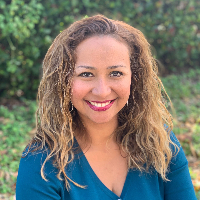
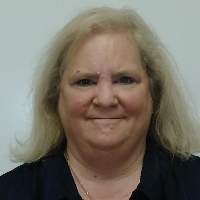
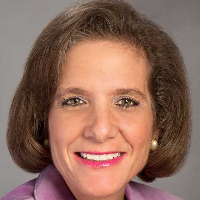
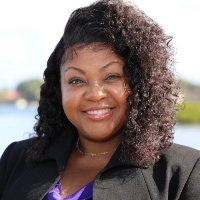
Exploring profiles in the listings below will help you identify clinicians who emphasize DBT's four modules and who describe experience working with stress and anxiety. When you reach out, a brief conversation can clarify training, the format of services, and next steps for starting treatment. Whether you choose a therapist in a major city or a clinician who provides online sessions across the state, DBT offers concrete skills you can use to reduce anxiety, manage stress, and build more effective ways of coping.
Take your time to compare options, ask questions about the approach, and prioritize a match that feels right for you. The therapists listed on this page offer a range of DBT-informed services across Florida so you can find a clinician who fits your schedule, needs, and goals. When you are ready, contact a therapist to learn more about how DBT could support your stress and anxiety management.