Find a DBT Therapist for Smoking in Florida
This directory lists DBT therapists across Florida who specialize in supporting people working to reduce or quit smoking. Listings emphasize a skills-based DBT approach - mindfulness, distress tolerance, emotion regulation, and interpersonal effectiveness - to help build practical strategies; browse the profiles below to explore options in Miami, Orlando, Tampa and beyond.

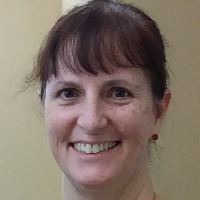
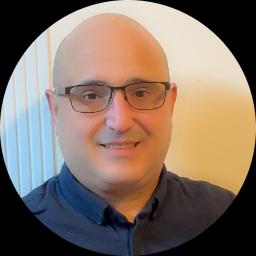
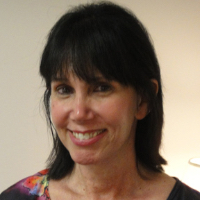
Dr. Daniella Jackson
LMHC
Florida - 20yrs exp






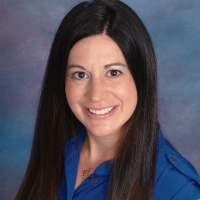
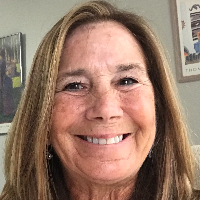
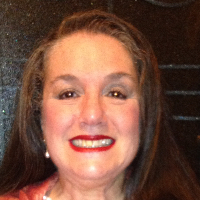
Dr. Tiffany Vastardis
LMHC
Florida - 17yrs exp





How DBT approaches smoking as a target behavior
When smoking becomes a habitual response to stress, boredom, or social cues, DBT frames it as a behavior that can be addressed through skill development and careful behavioral analysis. Rather than focusing only on willpower, DBT helps you understand the parts of your experience that maintain the habit - intense urges, emotion-driven decisions, and interactions that reinforce smoking - and then teaches specific skills to change those patterns. Mindfulness helps you notice cravings and the chain of events that lead to lighting up. Distress tolerance provides strategies for surviving high-urge moments without acting on them. Emotion regulation offers techniques to reduce the intensity and duration of states that commonly trigger smoking. Interpersonal effectiveness supports communication and boundary-setting when relationships or social settings increase pressure to smoke.
Which DBT skills are most useful for smoking
You will likely use a combination of all four DBT modules when addressing smoking. Mindfulness trains you to observe urges as passing mental events, which can reduce automatic responding. Distress tolerance gives you short-term tactics - such as grounding or urge surfing - to get through the immediate window of highest risk. Emotion regulation work helps you identify vulnerabilities that make cravings stronger and builds alternative strategies to meet emotional needs. Interpersonal effectiveness is useful when social situations or relationships are part of your smoking pattern - it helps you ask for support, set limits, and negotiate smoke-free interactions. Together these modules create a skills toolkit that applies in real life, not just in the therapy room.
Finding DBT-trained help for smoking in Florida
In Florida, you can find DBT-trained therapists working in a range of settings - private practice, outpatient clinics, and community mental health centers. Many clinicians who focus on addictive behaviors or tobacco dependence have adapted DBT principles to address smoking, integrating behavioral strategies and, when appropriate, coordination with medical providers for pharmacological aids. When searching, look for clinicians who explicitly mention DBT skills training, experience with substance-related behaviors, and an ability to tailor DBT to smoking cessation goals. You may find practitioners in larger metro areas such as Miami, Orlando, Tampa, Jacksonville, and Fort Lauderdale, as well as in smaller communities throughout the state. Consider whether you prefer a local in-person provider or a clinician who offers online sessions that can reach you across Florida.
What to expect from online DBT sessions for smoking
Online DBT for smoking typically mirrors in-person work in structure and content. You can expect an initial assessment to clarify your smoking patterns, triggers, and goals. Individual DBT sessions focus on applying skills to your specific situations, reviewing your diary card or tracking of urges, and developing concrete plans for high-risk moments. Group skills training is often part of a comprehensive approach - these groups teach the four DBT modules in a practical way and give you opportunities to practice skills with feedback. Many DBT clinicians also offer between-session coaching - brief contacts to help you use a skill in a moment of need and to prevent relapse. Coaching is usually framed as skills coaching rather than ongoing crisis management, and therapists will set clear boundaries and plans for how to use coaching effectively.
Format and scheduling
Online formats allow you to join individual sessions or skills groups from home or another convenient location. Sessions are typically scheduled weekly, and skills groups may meet weekly as well for a set number of weeks. If you live in a busy city like Miami or Orlando you may find several local group options; if you are farther away, online groups expand your choices. Be sure to confirm whether an online therapist offers group options and how they handle missed sessions and make-up work.
Evidence and research considerations
DBT was originally developed for emotion dysregulation and has been adapted for a variety of behaviors where intense emotions and impulsive actions play a role. Research has shown that DBT-based interventions can be helpful for reducing self-harm, improving coping with urges, and addressing substance-related behaviors. While studies specific to smoking are fewer than those for other substance use, clinicians draw on the same rationale - that teaching coping skills for urges, improving emotion regulation, and providing structured coaching can reduce smoking frequency and support quit attempts. When evaluating evidence, consider the quality of the therapist's training and how they integrate DBT skills with practical cessation planning. Many therapists pair DBT skills work with behavioral strategies such as stimulus control, gradual reduction plans, and coordination with medical providers when nicotine replacement or other medications are appropriate.
Tips for choosing the right DBT therapist in Florida
Start by clarifying your goals - are you aiming to quit completely, reduce consumption, or manage urges in specific situations? Ask potential therapists how they apply DBT to smoking, whether they offer both individual therapy and skills groups, and how they support between-session practice. Inquire about their experience working with people who smoke and whether they coordinate with physicians for medication-assisted approaches if that is something you might consider. Ask about session format - in-person options in cities like Tampa or Jacksonville, online availability across Florida, group schedules, and whether they provide coaching between sessions. It is reasonable to ask about typical treatment length and how they measure progress - many DBT-informed programs use diary cards or regular skill practice reviews to track change.
Practical considerations
Think about logistics such as insurance acceptance, sliding scale options, and session hours that fit your life. If you live in a metropolitan area such as Fort Lauderdale or Miami you may have more clinicians to choose from, while online options can expand choices if you live in a more rural part of the state. Cultural fit matters - look for a therapist who respects your background and communicates in a way that feels collaborative. You should feel that the therapist explains how DBT skills will be applied to your smoking goals and offers a plan that feels doable with your daily routines.
Preparing for your first DBT session focused on smoking
Before your first appointment, reflect on the situations where you are most likely to smoke, the emotions that often precede use, and any past quit attempts - what helped and what got in the way. Be ready to discuss your daily patterns, timing, and social context. Your therapist will likely ask about triggers, coping strategies you have tried, and your motivation for change. They may introduce a diary card or tracking tool to monitor urges and skill use. Going into sessions with concrete examples will help you and your therapist apply DBT skills to real life quickly, whether you meet in person in Orlando or via a virtual session from home.
Making progress and adjusting the plan
Change rarely follows a straight line - you may experience lapses or stronger-than-expected urges. DBT treats setbacks as learning opportunities rather than failures. Your therapist will help you analyze what happened, strengthen skills for similar situations, and adjust the plan as needed. Over time you should build a broader repertoire of responses to cravings, improved emotional regulation, and better interpersonal strategies to handle pressure to smoke. With consistent practice and the right match of therapist and format, many people find that DBT offers a practical, skills-based path to reducing reliance on smoking.
Next steps
Use the listings on this page to explore DBT therapists in Florida, paying attention to training, experience with smoking or addictive behaviors, and available formats. Whether you live near Miami, Tampa, or in a smaller community, you can find clinicians who focus on skills-based approaches that address the emotional and situational drivers of smoking. Contact a few profiles to ask about their approach and choose a therapist who offers a clear plan that fits your goals and lifestyle.