Find a DBT Therapist for Self-Harm in Florida
This page presents DBT therapists in Florida who focus on treating self-harm through a structured skills-based approach. Explore practitioner profiles below to compare training, services, and locations across Miami, Orlando, Tampa and other Florida communities.

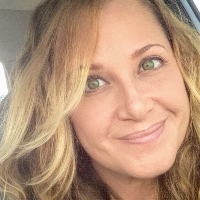
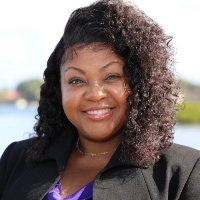
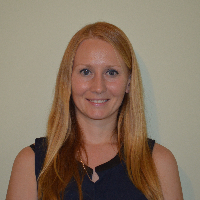
Dr. Daniella Jackson
LMHC
Florida - 20yrs exp














How DBT approaches self-harm
Dialectical behavior therapy is built around teaching practical skills that help reduce urges to harm oneself and build alternatives for coping. If self-harm is an issue for you or someone you care about, DBT offers a clear framework that targets the behaviors and emotions that often sit behind those urges. Rather than focusing only on symptom reduction, DBT emphasizes learning new ways to notice feelings, tolerate distress, regulate emotion, and interact with others - all of which can directly reduce the frequency and intensity of self-harm episodes.
The DBT skills modules and self-harm
The four core DBT modules - mindfulness, distress tolerance, emotion regulation, and interpersonal effectiveness - each address pieces of what often drives self-harm. Mindfulness helps you become more aware of urges and the thoughts and sensations that precede them, creating a chance to respond differently. Distress tolerance provides short-term tools to get through overwhelming moments without resorting to self-harm. Emotion regulation teaches strategies to identify, understand, and shift strong emotions so they feel less controlling. Interpersonal effectiveness helps you manage relationship stresses and communicate needs in ways that reduce relational triggers. Taken together, these skills create a toolbox you can use in moments of crisis and across daily life.
Finding DBT-trained help for self-harm in Florida
When searching for DBT care in Florida you will find a mix of clinicians who focus primarily on DBT and others who integrate DBT skills into a broader approach. Look for therapists who list DBT training or certification and describe experience specifically working with self-harm. Licensing matters - therapists will typically be licensed psychologists, social workers, counselors, or marriage and family therapists in Florida. Many clinicians also maintain DBT-specific certifications, participate in DBT consultation teams, or facilitate DBT skills groups. In larger metropolitan areas such as Miami, Orlando, and Tampa it is often easier to find practitioners with extensive DBT training, while smaller communities may offer telehealth options to connect you with specialists across the state.
What to expect from online DBT sessions for self-harm
Online DBT in Florida commonly includes three coordinated components: individual therapy, skills groups, and coaching between sessions. In individual therapy you and the clinician work on personal treatment targets, build a plan for managing self-harm urges, and apply DBT strategies to your day-to-day challenges. Skills groups provide structured lessons and practice in the four DBT modules, often in a weekly group format that blends teaching with role play and homework. Coaching - sometimes offered by phone or secure messaging - is intended to provide in-the-moment guidance for applying skills when distress is high. This combination aims to give you consistent support, opportunities to learn new behaviors, and real-time help during crises.
Initial telehealth appointments typically include an intake assessment that reviews current behaviors, triggers, coping history, and safety concerns. Your clinician will collaboratively develop a treatment plan and prioritize skills training tailored to your needs. Sessions may be weekly or more frequent depending on severity and availability, and attendance in a skills group is usually recommended to practice and reinforce what you learn in individual therapy. If you live in a Florida city like Jacksonville or Fort Lauderdale and prefer in-person contact, many DBT teams offer hybrid models - mixing online and in-person sessions - to increase access.
Evidence supporting DBT for self-harm
DBT is one of the best-studied treatments for behaviors related to self-harm. Research over several decades has demonstrated that DBT reduces self-injury and suicidal behaviors more effectively than some comparison treatments for many people. In addition to randomized trials, implementation studies in community clinics show that DBT can be adapted to real-world settings while maintaining positive outcomes. In Florida, academic centers and community clinics have implemented DBT-oriented programs, and clinicians across the state draw on this evidence when designing treatment plans. It is important to remember that outcomes vary by individual - and the skill and experience of the therapy team, the consistency of participation in skills training, and real-world supports all influence results.
Tips for choosing the right DBT therapist in Florida
Choosing a DBT therapist for self-harm care is both practical and personal. Start by asking about the clinician's DBT training and whether they participate in a DBT consultation team - ongoing consultation suggests a commitment to fidelity and quality. Inquire about experience specifically with self-harm and crisis management, and whether they offer or refer to structured skills groups. Consider logistical factors such as whether they accept your insurance, offer sliding scale fees, or provide telehealth if travel is a barrier. Location may matter for in-person needs - if you live near Miami, Orlando, or Tampa you may have more local options for intensive DBT programs, but telehealth can expand choices statewide.
During an initial consultation pay attention to how the therapist describes goals and expectations. A good DBT clinician will outline how skills training fits into a treatment plan, how crisis coaching is handled, and how progress will be measured. Ask about coordination with other providers if you see a psychiatrist, primary care clinician, or are working with family members. Cultural fit matters - look for someone who acknowledges your background and life context and who communicates in a way that feels respectful and clear. If language is important, many therapists in Florida offer sessions in Spanish and other languages, which can be an important consideration when seeking rapport and understanding.
Practical considerations before starting
Before your first DBT appointment gather information that can help the intake process: a brief summary of recent behaviors and triggers, current supports, any previous therapy experiences, and practical constraints like work or school schedules. Clarify expectations around attendance, homework for skills practice, and group participation. If you have immediate safety concerns, mention them up front so the therapist can prioritize crisis planning. Finding the right fit can take a few attempts, and it is reasonable to explore several clinicians until you find the team and format that feels most helpful.
Local context - urban and regional options
Florida's larger urban centers typically host multi-disciplinary DBT teams and structured outpatient programs, while smaller communities may offer solo practitioners who provide high-quality DBT-informed care. In areas like Miami or Tampa you may find intensive outpatient or partial hospitalization programs that incorporate DBT skills training into a broader treatment schedule. Orlando and Jacksonville have clinics and private practices with group-based DBT offerings, and clinicians across Fort Lauderdale often blend in-person and virtual services to meet diverse needs. Use location filters and therapist profiles to identify options that match your preferences for group format, session timing, and modality.
DBT can be adapted to different life situations and settings, and many clinicians tailor their approach based on your priorities and goals. Whether you are seeking help immediately after an episode of self-harm or looking to build long-term skill and resilience, DBT-trained therapists across Florida offer structured methods to learn alternatives and reduce reliance on harmful behaviors. Exploring profiles, asking targeted questions during consultations, and considering how a therapist's experience aligns with your needs will help you find a treatment pathway that fits your life and supports meaningful change.
When ready, use the listings above to identify DBT practitioners in your area, review their training and services, and reach out to schedule an intake. Taking that first step can open access to practical skills and a treatment structure designed to help you navigate distress and build healthier coping over time.