Find a DBT Therapist for Gambling in Florida
This page connects you with DBT-trained therapists in Florida who focus on gambling-related concerns. You will find clinicians who use the DBT skills framework - mindfulness, distress tolerance, emotion regulation, and interpersonal effectiveness - to help manage urges and rebuild control. Browse the profiles below to compare approaches and find a therapist near you or offering online sessions.

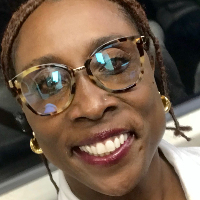
Dr. Daniella Jackson
LMHC
Florida - 20yrs exp
















How DBT specifically addresses gambling
If gambling has become a pattern that causes stress, financial strain, or strained relationships, DBT offers a skills-based route to change. DBT helps you slow down the automatic cycle of urges and risky behavior by giving you concrete practices to notice what is happening internally, tolerate intense feelings without acting on them, change how you respond to emotions, and communicate needs or limits with others. Rather than treating gambling as only a behavioral issue, DBT situates gambling within emotional regulation and interpersonal patterns so you can address the root processes that maintain it.
Mindfulness - noticing urges without acting
Mindfulness skills are often one of the first places DBT practitioners start because they teach you how to observe urges as temporary mental events. You learn to label sensations, thoughts, and emotions and to notice the physical and mental cues that a gambling urge is rising. With practice, mindfulness helps you create a brief pause between impulse and action, giving you the space to choose a different response.
Distress tolerance - getting through high-risk moments
Distress tolerance skills provide strategies you can use when urges feel overwhelming. These skills are designed for short-term crisis management so you can endure intense urges without acting on them. Techniques include grounding, distraction, and self-soothing practices that reduce the immediacy of a compulsion and allow the urge to decrease naturally. Distress tolerance is particularly useful in the early stages of change when immediate alternatives to gambling are needed.
Emotion regulation - changing longer-term patterns
Where gambling is tied to mood swings, boredom, or attempts to escape difficult feelings, emotion regulation skills help you understand and shift those patterns. You work on identifying emotion triggers, increasing activities that support positive mood, and developing strategies to reduce vulnerability to intense affect. Over time these practices aim to decrease the frequency and intensity of the emotional states that often precede gambling episodes.
Interpersonal effectiveness - repairing and protecting relationships
Gambling can strain relationships and create conflicts over money, trust, or responsibilities. Interpersonal effectiveness skills teach you to assert boundaries, negotiate needs, and rebuild trust in practical ways. Learning to communicate clearly can reduce the relational stress that may fuel gambling behavior, and it can help you set external supports such as agreements with family members or financial safeguards.
Finding DBT-trained help for gambling in Florida
When you search for DBT help in Florida, look for clinicians who describe DBT as their primary approach and who can explain how they apply DBT to behavioral patterns like gambling. Many therapists combine individual DBT sessions with skills training groups and on-call coaching to support real-time application. In larger metro areas such as Miami, Orlando, and Tampa you may find more options for structured DBT programs and skills groups, while communities in Jacksonville and Fort Lauderdale may offer experienced clinicians who provide tailored individual DBT work. If you prefer online care, many Florida practitioners offer remote sessions which can connect you to specialists across the state regardless of your city.
What to expect from online DBT sessions for gambling
Online DBT for gambling typically includes a combination of individual therapy, skills group sessions, and coaching between sessions. In individual sessions you and your therapist will map out targets for change, develop a personalized plan using DBT skills, and work through specific incidents and patterns that lead to gambling. Skills groups provide structured training and the chance to practice mindfulness, distress tolerance, emotion regulation, and interpersonal effectiveness with others learning the same tools. Coaching - often available by phone or secure messaging during high-risk moments - gives you real-time guidance for applying skills when urges arise. Remote delivery may make it easier to attend consistent sessions, access specialists from Miami or Orlando while living elsewhere in Florida, and join skills groups that match your schedule.
Evidence and outcomes - what the research and practice say
DBT has a long record of helping people manage impulsive behaviors and intense emotions, and clinicians have adapted its skills-focused model to behavioral compulsions such as gambling. While research on gambling specifically continues to grow, clinical experience indicates that training in mindfulness and emotion regulation can reduce the frequency of gambling episodes and improve coping when urges occur. In Florida, practitioners trained in DBT often integrate outcome tracking so you can see measurable change in urges, days gambled, mood stability, and relationship functioning. When you ask a therapist about outcomes, they should be able to describe how they monitor progress and what realistic milestones might look like for you.
Tips for choosing the right DBT therapist in Florida
Choosing a therapist is a personal decision and it helps to be practical as well as intuitive. Ask potential clinicians about their DBT training and how long they have worked with gambling or behavioral impulse issues. Inquire whether they offer the full DBT structure - individual sessions, skills groups, and coaching - or whether they adapt select DBT modules to individual therapy. Clarify whether they provide online sessions if you need virtual care and whether they have experience working with clients in different life stages or cultural backgrounds. Consider practical matters such as appointment availability, session length, and whether they work with any financial counselors or family therapists to address collateral concerns. In cities like Tampa or Miami you may have more options for multi-component DBT programs, while in smaller Florida communities some clinicians may offer a focused DBT-informed approach tailored to your needs.
Preparing for your first sessions
Before the first appointment you can prepare by reflecting on the patterns you want to change and the kinds of situations that lead to gambling. Be ready to discuss recent episodes, emotional triggers, and the impact on relationships and finances. A good DBT therapist will help you set clear goals, explain the skills framework, and outline what a typical week of DBT work might include. If you are joining a skills group, you may be asked to commit to attending regularly and to practice skills between sessions so you can bring real examples to therapy.
Ongoing recovery and community resources in Florida
Recovery from problematic gambling is often supported by combining DBT practice with practical changes such as budgeting, financial planning, and relationship repair. Many people find that pairing DBT with case management or financial counseling improves long-term outcomes. You may also benefit from community groups or peer networks in Florida cities where individuals share strategies for maintaining progress. Whether you live in Orlando, Jacksonville, Fort Lauderdale, or elsewhere in the state, look for therapists who coordinate care with other professionals when needed and who encourage the use of structured supports.
Next steps
Use the listings above to compare clinicians who emphasize DBT for gambling in Florida. Reach out to ask about their approach to DBT skills, how they integrate skills training into treatment, and what you can expect in the first month. Finding the right fit can make a meaningful difference in how effectively you apply DBT tools to manage urges, regulate emotions, and rebuild stable routines. Taking that first step to contact a therapist is often the beginning of a clear, skills-focused path forward.