Find a DBT Therapist for Disruptive Mood Dysregulation Disorder (DMDD) in Florida
This page connects you with DBT-focused clinicians across Florida who work with Disruptive Mood Dysregulation Disorder (DMDD). Explore therapists who use a skills-based Dialectical Behavior Therapy approach and browse listings below to find a fit.





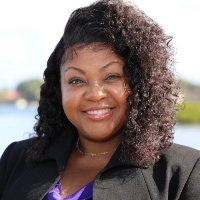







Dr. Tiffany Vastardis
LMHC
Florida - 17yrs exp





Camilo Delgado
LMHC, LMFT
Florida - 35yrs exp





How DBT specifically treats Disruptive Mood Dysregulation Disorder (DMDD)
If you or a young person in your care is struggling with chronic irritability, severe temper outbursts, or mood instability consistent with DMDD, DBT offers a structured, skills-focused path forward. DBT emphasizes practical skills that help people manage intense emotions and reduce outbursts. Rather than focusing only on changing thoughts, DBT teaches moment-to-moment strategies that help you notice feelings, tolerate distress without harmful reactions, and build more effective ways to interact with others.
The four core DBT modules map directly onto the challenges seen in DMDD. Mindfulness helps you or your child learn to observe mood shifts without immediately reacting, which can reduce the frequency of explosive episodes. Distress tolerance gives you short-term tools for surviving intense emotional moments without escalation. Emotion regulation teaches strategies for identifying emotions, reducing vulnerability to mood swings, and increasing positive experiences so that baseline irritability can decrease over time. Interpersonal effectiveness builds skills for communicating needs, setting limits, and repairing relationships when outbursts have caused harm. In therapy these modules are taught in ways that are developmentally appropriate, with adaptations for children, adolescents, and their families.
Skills practice and generalization
A hallmark of DBT is the emphasis on practicing skills in real life. For DMDD this often means rehearsing calming strategies before a crisis, using role play to manage common family triggers, and developing individualized plans for school or community settings. Therapists work with you to translate DBT skills into routines and cues that fit daily life so new habits take hold beyond the therapy session.
Finding DBT-trained help for DMDD in Florida
When you look for DBT providers in Florida, you will find clinicians practicing in urban centers and suburban communities alike. Major metro areas such as Miami, Orlando, and Tampa often have clinics and private practices with DBT-trained teams, but qualified professionals also work across the state offering in-person and telehealth services. Start by searching for therapists who list DBT as a central part of their approach and who note experience with mood dysregulation in children or adolescents if that is relevant to your situation.
Pay attention to credentials and roles - many DBT clinicians are licensed psychologists, social workers, or marriage and family therapists who have completed formal DBT training or certification. For younger clients you may also want a therapist who integrates parent coaching or family DBT formats, since caregiver involvement is often crucial for managing behavior and shaping the environment that supports skill use.
What to expect from online DBT sessions for DMDD
Online DBT has become a widely used option across Florida, offering greater scheduling flexibility and access to specialists who may not be nearby. In an online program you can typically expect a combination of individual therapy, skills training groups, and between-session coaching. Individual therapy focuses on personalized treatment planning, problem solving around recent episodes, and working through barriers to using skills. Skills groups teach the four DBT modules in a class-like setting where you and others practice together and receive corrective feedback.
Between-session coaching gives you a way to reach your therapist or designated coach when intense moments arise, so you can be guided in applying a skill in the moment. For parents of children with DMDD, coaching can include live support for managing crises and implementing behavior strategies. Online formats usually rely on secure video and messaging tools, and many providers offer guidance on maintaining a calm, distraction-minimized setting for sessions so the work translates to home and school life.
Logistics and family involvement
If you are seeking care for a child or adolescent, expect a strong emphasis on caregiver participation. Therapists often offer parent training alongside youth sessions and coordinate with schools or pediatric providers when appropriate. You should ask potential therapists how they involve families, what homework or practice activities they require, and how they handle safety planning and crisis management for outbursts that happen outside session times.
Evidence supporting DBT for DMDD
DBT was originally developed for emotion regulation difficulties and has been adapted for younger populations with mood instability and behavioral outbursts. Clinical practice guidelines and emerging research highlight that DBT-based approaches can reduce the severity and frequency of emotional crises by strengthening skills that target core mechanisms of dysregulation. Many clinicians report positive outcomes when DBT is adapted to the developmental needs of children and adolescents with DMDD, especially when therapy includes family-focused components and consistent skills practice.
While research continues to grow, the theoretical fit of DBT for DMDD is strong because the treatment directly targets intolerance of negative emotion and maladaptive behavioral responses. If you are evaluating options in Florida, look for therapists who can describe how they adapt DBT for younger clients and who can share outcome expectations based on their clinical experience.
Tips for choosing the right DBT therapist in Florida
Choosing a therapist is a personal process and you should look for both clinical expertise and a working relationship that feels comfortable. Start by confirming the therapist has specific DBT training and experience treating mood dysregulation or DMDD. Ask about the age ranges they treat and whether they offer child- or family-focused DBT formats. Inquire how they blend individual sessions with skills groups and what kind of between-session support they provide.
Consider logistics such as availability for evening or weekend groups if you have school or work constraints, whether the therapist offers online sessions, and how they coordinate with schools or pediatric providers. If location matters to you, search for providers in larger hubs like Miami, Orlando, or Tampa where multidisciplinary teams are more common, but do not overlook experienced clinicians elsewhere in the state who may offer telehealth options that fit your schedule.
Ask potential therapists how they measure progress and what short-term goals they set. A therapist who uses regular outcome measures or who can describe milestones for reduced outbursts and improved emotion regulation will help you track change in concrete ways. Finally, trust your instincts about rapport and clarity - you should feel listened to and understand the treatment plan and homework expectations before committing.
Moving forward
With the right DBT-informed therapist, you can expect a structured course of treatment that emphasizes skills practice, family collaboration, and real-world application. Whether you connect with a clinician in Miami, attend a skills group in Orlando, or join an online program based in Tampa, DBT provides tools aimed at reducing the frequency and intensity of dysregulated mood and behavior. Use the listings above to compare clinicians, ask questions about DBT experience with DMDD, and choose a provider whose approach fits your needs and goals for change.
If you are unsure where to begin, consider scheduling an initial consultation with a DBT-trained therapist to discuss how the skills modules will be tailored for your situation and what you can expect in the first several months of treatment. That conversation can help you decide whether DBT is the right fit and set realistic steps for progress.