Find a DBT Therapist for Body Image in Florida
This page lists DBT therapists in Florida who specialize in treating body image concerns. The clinicians use Dialectical Behavior Therapy - a skills-based approach - to help address thoughts, emotions, and behaviors. Browse the listings below to find a DBT-trained provider in your area.

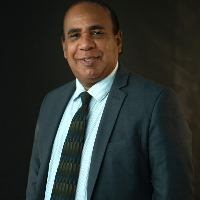
Dr. Daniella Jackson
LMHC
Florida - 20yrs exp















How DBT approaches body image concerns
Dialectical Behavior Therapy applies a skills-focused framework that can be helpful when body image becomes a persistent source of distress. Rather than framing change as a matter of willpower alone, DBT teaches practical tools you can use moment to moment to notice unhelpful thoughts, manage intense feelings, and respond in ways that align with your values. The model balances acceptance and change - acknowledging how hard body image struggles can feel while offering concrete skills to reduce harmful behaviors and strengthen resilience.
Mindfulness is often a starting point. In DBT you learn to observe body-related thoughts and sensations without immediately reacting. That practice can help you step back from automatic negative self-talk and notice patterns that maintain body dissatisfaction. Emotion regulation skills then provide techniques to reduce the intensity of shame, anxiety, or anger about appearance so that you are less likely to act on urges that temporarily relieve discomfort but cause longer term harm.
Distress tolerance skills give you tools to cope in moments when emotions feel overwhelming - for example, when a trigger leads to the urge to avoid social situations or engage in restrictive or compensatory behaviors. Interpersonal effectiveness helps you communicate about body image concerns with loved ones and set boundaries that protect your time and energy. Together these modules create a toolbox you can use in daily life to change your relationship with your body and with the thoughts that shape body image.
What DBT sessions for body image typically include
When you begin DBT for body image, you may encounter a combination of individual therapy, skills groups, and between-session coaching. Individual sessions focus on applying DBT principles to your specific patterns - identifying triggers, mapping out the chain of events that leads to a distressing behavior, and practicing alternative responses. Your therapist will work with you to set goals that reflect both reducing harmful behaviors and increasing meaningful activities that support self-acceptance.
Skills groups are a core component of many DBT programs. In a group setting you can learn and practice mindfulness, distress tolerance, emotion regulation, and interpersonal effectiveness alongside others facing related challenges. Groups can be particularly useful for body image because they offer opportunities to observe how others manage similar situations and to rehearse new responses in a supported environment. Many programs also provide coaching between sessions so you can access real-time guidance when difficult moments arise.
Online DBT - what to expect
Online DBT has become a common option in Florida and elsewhere. If you choose telehealth, expect structured sessions that mirror in-person work - an initial assessment, goal-setting, and a combination of individual and group sessions. Technology can increase access if you live outside major urban centers or if scheduling in-person visits is difficult. Make sure your internet connection and device support video calls and ask potential providers how they manage group confidentiality and session logistics. You should also clarify how coaching is provided - some clinicians offer phone or messaging support for skill coaching between sessions, while others recommend strategies to practice independently.
Finding DBT-trained help for body image in Florida
Florida offers a range of DBT-trained clinicians spread across cities such as Miami, Orlando, Tampa, Jacksonville, and Fort Lauderdale. When searching, look for therapists who explicitly identify DBT as a primary modality and who describe experience addressing body image or related concerns such as disordered eating, body checking, or avoidance of social situations. Many providers list whether they offer skills groups, individual DBT, or a DBT-informed approach that integrates mindfulness and emotion regulation into other therapies.
Consider logistics such as whether you prefer in-person sessions in a comfortable environment or online appointments that can be attended from home. If you live near a larger metro area like Miami, Tampa, or Orlando you may have more group options and more frequent availability. In smaller communities, telehealth may be the best route to connect with DBT-trained clinicians who specialize in body image.
Evidence and outcomes - what the research says
Research on DBT has primarily focused on emotion regulation and behavior patterns such as self-harm and impulsive behaviors, but adaptations of DBT have also been applied to body image concerns and eating-related difficulties. Studies and clinical reports indicate that DBT skills can reduce the intensity of emotion-driven behaviors and improve ability to tolerate distress - changes that often translate into better management of body-focused urges and less reactivity to negative body-related thoughts. While no single approach fits everyone, many people report reductions in shame and improvements in daily functioning after learning and practicing DBT skills.
In Florida settings, clinicians have adapted DBT to address cultural and contextual factors that influence body image, such as diverse community standards, media influences, and lifestyle pressures common in coastal and urban areas. When evidence is discussed, it is important to look for therapists who can explain how DBT techniques are applied specifically to body image - for example, how mindfulness is used to interrupt body-checking sequences or how interpersonal effectiveness is practiced to manage comments from others about appearance.
Choosing the right DBT therapist for body image in Florida
When selecting a therapist, begin by asking about formal DBT training and experience working with body image concerns. Ask whether the clinician offers individual DBT, runs skills groups, or collaborates with dietitians, medical providers, or specialty teams when needed. It is helpful to know whether they regularly use behavior chain analysis to map the sequence of events that lead to distressing behaviors, and how they tailor skills practice to appearance-related triggers.
Location and scheduling matter. If you prefer meeting in person, check for providers in your area - perhaps a practice in Miami or a group offering sessions in Tampa or Orlando. If you need flexible hours or cannot travel easily, inquire about telehealth options and whether skills groups are available online. Consider cultural fit - a therapist who understands your background and how community norms shape body ideals can be more effective. Trust your instincts during an initial consultation; a good match will leave you feeling heard and with a clear plan for skill development.
Practical questions to ask a prospective DBT therapist
Before committing, ask how they measure progress and how long they typically work with clients on body image. Find out whether skills practice is assigned between sessions and whether coaching is available when you encounter acute urges or setbacks. Clarify fees, insurance coverage, and cancellation policies so you can plan for consistent participation - consistency is often key to benefiting from a skills-based approach. If you live near an academic center or a larger metropolitan area, you might also find specialized programs or research-informed clinics that offer more intensive DBT formats.
Moving forward with DBT for body image
If body image concerns are limiting your life, DBT offers a structured, compassionate pathway to change. Learning mindfulness helps you observe thoughts without acting on them. Practicing distress tolerance reduces the need for quick fixes. Building emotion regulation enhances stability over time. Strengthening interpersonal effectiveness helps you navigate social situations that touch on appearance. Across Florida - from coastal cities to inland communities - DBT-trained clinicians can guide you through these skills so you can respond to body-related distress with greater clarity and agency.
Begin by reviewing the listings on this page, reach out for an initial consultation, and ask specific questions about DBT experience and the format of services. With a clear plan and consistent practice, you can develop tools that make daily life more manageable and create room for a more balanced relationship with your body.