Find a DBT Therapist for Isolation / Loneliness in Connecticut
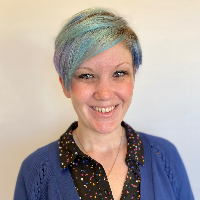
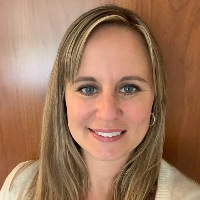
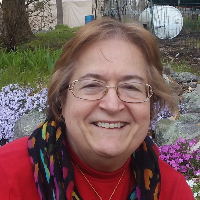
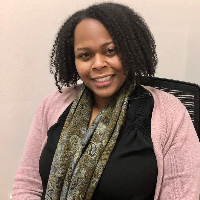
This page lists DBT clinicians across Connecticut who focus on treating isolation and loneliness using a structured skills-based approach. Review the profiles below to learn about each therapist's DBT training and reach out as you explore care options.










How DBT Applies to Isolation and Loneliness
If you are feeling isolated or lonely, DBT offers a practical, skills-based framework that targets the patterns that keep you feeling disconnected. Dialectical Behavior Therapy emphasizes learning and practicing concrete skills so you can notice what is happening in the moment, tolerate intense feelings without acting on unhelpful impulses, regulate emotional responses, and improve how you relate to others. DBT's four skill modules - mindfulness, distress tolerance, emotion regulation, and interpersonal effectiveness - each play a role in addressing loneliness.
Mindfulness helps you observe urges to withdraw or to catastrophize social situations without immediately acting on those impulses. Distress tolerance gives you options for sitting with uncomfortable sensations and reducing reactive decisions that deepen isolation. Emotion regulation helps you identify and shift patterns of mood and thought that make connection feel risky or unrewarding. Interpersonal effectiveness teaches strategies for initiating and maintaining relationships, asking for what you need, and setting appropriate boundaries so relationships feel more balanced.
Why a Skills-Based Approach Matters
Loneliness often becomes self-perpetuating because emotions, behaviors, and beliefs reinforce each other. Learning skills in DBT helps you break that cycle by giving you tools you can use in real time. As you practice, you may find that social interactions become less draining and more manageable, and that you can build relationships that are more meaningful over time. The emphasis is on gradual, practical change rather than on insight alone.
Finding DBT-Trained Help in Connecticut
When searching for DBT help in Connecticut, you can look for clinicians who explicitly list DBT training and who describe offering both individual therapy and skills training. Many therapists in larger centers such as Bridgeport, New Haven, Hartford, and Stamford offer DBT-informed care, and you may also find clinicians providing DBT in smaller towns and suburban areas. Clinics affiliated with community mental health centers, university counseling programs, and independent practices often advertise a DBT approach.
It is helpful to check whether the clinician follows standard DBT components and whether they adapt skills for concerns related to loneliness. Some therapists specialize in group skills training that focuses on social connection, while others integrate DBT skills into individual sessions to address avoidance, social anxiety, or grief-related isolation. You may find practitioners who offer culturally responsive DBT or who work with specific populations such as young adults, older adults, or LGBTQ communities.
What to Expect from Online DBT Sessions for Isolation and Loneliness
Online DBT has become common in Connecticut and can be an accessible option if travel or scheduling is a barrier. In telehealth DBT, you may attend individual therapy, join a skills training group via video, and have access to between-session coaching to practice skills when loneliness spikes. Individual sessions focus on personalized goals - for example, learning interpersonal strategies that fit your life - while skills groups provide the chance to learn and practice with others, which can itself reduce feelings of isolation.
Expect a practical orientation to sessions. A clinician will often help you set concrete goals, identify patterns that feed loneliness, and assign skills practice between meetings. Group formats are structured so you can learn alongside peers, and this group learning can foster a sense of connection even when it is online. You should also discuss technology needs, session length, options for combining online and in-person work, and how the clinician supports you when you struggle between sessions.
Coaching and Between-Session Support
Part of DBT's effectiveness for social disconnection can come from timely coaching as you use skills in real life. Many DBT clinicians offer brief coaching contacts to help you apply a skill in the moment - for example, using an interpersonal effectiveness skill before a difficult conversation. When working online, ask how a clinician provides coaching, what hours are covered, and whether coaching is included in your treatment plan. Clear boundaries around coaching help you know when and how to reach out as you work on reducing isolation.
Evidence and Clinical Rationale for Using DBT
Research on DBT highlights improvements in emotion regulation and interpersonal functioning, which are central to feeling less isolated. While DBT was developed for treating severe emotional dysregulation, its skills translate well to problems that involve social disconnection. Clinicians in Connecticut draw on that evidence base to adapt skills training to loneliness, focusing on practical strategies you can practice and refine.
Local providers may integrate DBT with other evidence-based strategies to address related concerns such as anxiety, grief, or relationship difficulty. You should expect a clinician to describe how DBT addresses the specific behaviors and beliefs that maintain your isolation - for instance, avoidance of social situations, patterns of negative self-talk, or difficulties asserting needs. Seeing DBT applied in a focused way can make the treatment feel relevant and actionable.
Tips for Choosing the Right DBT Therapist in Connecticut
Choosing a therapist is a personal decision, and there are several practical questions you can use to find a good fit. Ask about the clinician's DBT training and whether they provide both skills groups and individual work. Inquire how they adapt DBT for loneliness and what a typical treatment plan looks like. If you prefer in-person sessions, check whether they have offices in convenient locations such as Bridgeport, New Haven, Hartford, or Stamford. If telehealth works better for your schedule, ask about online group options and how participants are supported to build connection.
Consider the therapist's experience with your particular circumstances - for example, transitions like moving to a new city, coping with chronic health issues, or navigating relationship changes. You might also ask about session frequency, expected duration of treatment, insurance and fee options, and whether they offer initial consultations so you can assess rapport. Trust and comfort with your clinician matter because practicing interpersonal skills often requires vulnerability.
What to Ask During an Initial Consultation
When you reach out, describe your experience of loneliness and ask how the clinician would use DBT skills to address it. Ask for examples of how mindfulness, distress tolerance, emotion regulation, and interpersonal effectiveness have been applied with other clients facing similar concerns. Clarify practical details such as group meeting times, expectations for homework or skills practice, and how progress is tracked. These conversations will help you understand whether the therapist's approach fits your needs.
Getting Started and Next Steps
Beginning DBT for isolation and loneliness is about small, manageable steps as much as it is about long-term change. You do not need to fix everything at once. A DBT clinician will typically help you choose one or two skills to practice at a time and will support you in applying them to real social situations. Over weeks and months, repeated practice can lead to different habits that make connecting feel more possible and less fraught.
Use the listings on this page to identify clinicians whose experience and format match what you want. Whether you are in Bridgeport, New Haven, Hartford, Stamford, or elsewhere in Connecticut, there are DBT-trained therapists who focus on the skill-building that directly addresses isolation and loneliness. Reach out to set up a consultation and ask about a clear plan for how DBT will be used to support your goals.