Find a DBT Therapist for Social Anxiety and Phobia in Colorado
Find DBT therapists across Colorado who specialize in social anxiety and phobia, with profiles organized by city and clinical focus. Listings emphasize DBT approaches - mindfulness, distress tolerance, emotion regulation, and interpersonal effectiveness - so visitors can compare training and services before contacting clinicians.





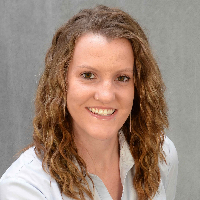

Angela Bellinghausen
LPC, LIMHP
Colorado - 30yrs exp





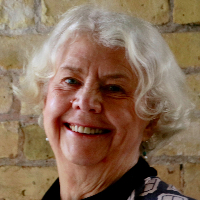
Sandra DeCarolis
LPC
Colorado - 10yrs exp






How DBT addresses social anxiety and phobia
If social situations feel overwhelming, DBT offers a skills-based path that can help you engage with social life more comfortably. Rather than promising instant relief, DBT gives you concrete practices to shift how you notice anxiety, tolerate intense sensations, regulate emotional responses, and communicate your needs in relationships. Mindfulness helps you observe anxious thoughts and bodily sensations without immediately reacting. Distress tolerance gives practical strategies for getting through high-anxiety moments so you can remain present instead of withdrawing. Emotion regulation helps you understand what fuels repeated avoidance and builds routines to reduce emotional vulnerability over time. Interpersonal effectiveness teaches ways to ask for what you need, set boundaries, and maintain connections while managing social fears.
For social anxiety and phobia, DBT is often used to reduce avoidance and build the skills necessary to enter feared situations with support. Skills training can be paired with gradual exposure - planned, manageable steps toward social engagement - so that the skills you practice in session help you stay with difficult moments rather than retreating. This dual approach can make social situations feel more manageable and less catastrophic as you practice and accumulate successes.
Finding DBT-trained help for social anxiety and phobia in Colorado
When looking for a clinician in Colorado, consider both geographic access and DBT-specific experience. Major population centers such as Denver, Colorado Springs, Aurora, Fort Collins, and Boulder tend to have more clinicians offering DBT-informed treatment and group skills training. Smaller mountain towns may have fewer options, but many therapists offer remote sessions that expand access across the state. Check therapist profiles for explicit DBT training, years of experience working with social anxiety or phobia, and whether the clinician offers skills groups in addition to individual therapy.
Licensing and professional background are important, but so is how DBT is applied to social anxiety. Some DBT clinicians specialize in adapting skills to anxiety disorders and phobias, integrating exposure planning with skills coaching. Others use DBT primarily for emotion dysregulation but can still be effective for people whose social anxiety is closely tied to intense shame, anger, or mood shifts. When reading profiles, look for clear descriptions of how DBT skills are taught, whether skills groups are available, and how the clinician approaches in-session practice and real-world assignments.
What to expect from online DBT sessions for social anxiety and phobia
Online DBT can be an excellent fit if you prefer virtual care or live outside major cities. In a typical DBT-informed program you may encounter three interlocking components: individual therapy, skills group, and coaching. In individual sessions you and the therapist will identify target behaviors - such as avoiding social events - and create a priority plan that uses DBT skills to reduce avoidance while building social approach behaviors. Skills groups focus on practicing mindfulness, distress tolerance, emotion regulation, and interpersonal effectiveness with other participants in a structured learning environment. Coaching is practical, moment-to-moment support from your clinician between sessions to help you apply skills in real-life social situations.
Online formats bring some differences in experience compared with in-person care. Group work in a virtual room can still allow role-play, modeling, and shared exercises, and it can be easier to attend regularly if travel is a barrier. Technology may create new challenges - distractions, connectivity issues, or difficulties in reading nonverbal cues - but many clinicians adapt by emphasizing explicit communication, structured check-ins, and stepwise exposure assignments that fit online life. Before starting, clarify how the therapist handles coaching, how group attendance is structured, and what to expect for in-person opportunities if you prefer them later.
Evidence and clinical perspective on DBT for social anxiety and phobia
Research on DBT has traditionally focused on emotion dysregulation and self-harm, but clinicians and researchers have adapted its principles for anxiety-related conditions. Evidence indicates that skills-based interventions can reduce avoidance and improve functioning by strengthening your ability to tolerate distress and manage intense emotions during exposure to feared social situations. Clinical reports and adapted treatment protocols show promise when DBT skills are used alongside behavioral exposure and social skills training. In Colorado clinics and university programs you may find practitioners who draw on this evolving evidence to tailor DBT for social anxiety, emphasizing measurable goals and gradual practice.
When evaluating evidence, keep in mind that treatment response is individual. Many people benefit from the structure and emphasis on skills practice that DBT provides, while others may combine DBT with other therapeutic techniques for a more targeted exposure plan. Talk with prospective therapists about the outcomes they observe, how they measure progress, and whether they customize approaches based on your goals and risks.
Tips for choosing the right DBT therapist in Colorado
Choosing a therapist is a personal process and practical fit matters as much as credentials. Start by identifying whether you prefer in-person appointments in a nearby city such as Denver, Aurora, or Colorado Springs, or whether telehealth is more convenient. Review clinician profiles for explicit DBT training and experience applying the four DBT skill modules to social anxiety and phobia. Ask about typical treatment structure - whether they offer standalone individual therapy, full DBT programs with skills groups, or a hybrid model - and how they integrate exposure planning with skills practice. During initial consultations, notice how well the therapist explains the role of skills in managing anxiety, how they set collaborative goals, and whether they offer between-session coaching for real-time challenges.
Consider logistical details that influence long-term engagement. Inquire about scheduling flexibility, sliding scale options or insurance participation, and the expected duration of treatment. If group work is part of the treatment, ask about group size, format, and whether groups are homogeneous regarding social anxiety or mixed with other concerns. Hearing about typical assignments and how progress is tracked can also help you know what to expect before committing.
Local considerations and next steps
Living in Colorado means a range of options depending on your region. Urban areas like Denver and Boulder often have more DBT programs and group offerings, while communities around Fort Collins and Colorado Springs may have clinicians who offer specialized adaptations. If you live in a rural area, telehealth expands access and can connect you with DBT clinicians who provide remote skills groups and coaching. Start by narrowing searches to clinicians who describe DBT-informed work with social anxiety, then schedule brief consultations to assess fit and clarify treatment structure.
Ultimately, a good DBT match is one where the therapist articulates a clear plan for using mindfulness, distress tolerance, emotion regulation, and interpersonal effectiveness to reduce avoidance and build social confidence. With the right clinician and consistent practice, you can develop tools that make social situations more approachable and help you participate in life with greater agency. Use the listings above to compare training, formats, and locations, and reach out to clinicians whose approach aligns with your goals.