Find a DBT Therapist for Sexual Trauma in Colorado
This page connects you with Colorado clinicians who use Dialectical Behavior Therapy to address sexual trauma. Explore listings below to find DBT-informed individual therapy, skills groups, and coaching options near you.
Whether you live in Denver, Colorado Springs, Aurora, Fort Collins, Boulder or elsewhere in the state, you can browse qualified DBT practitioners and reach out to schedule a consultation.






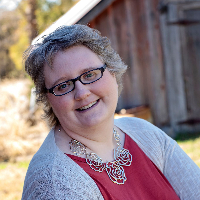




Sandra DeCarolis
LPC
Colorado - 10yrs exp












How DBT approaches sexual trauma
Dialectical Behavior Therapy, or DBT, is a structured, skills-based approach that helps people build practical tools for managing overwhelming emotions and navigating relationships after trauma. When sexual trauma is part of your history, therapy often needs to address both safety and skill building. DBT does this by teaching skills you can use moment to moment while also providing a framework for longer-term change. Rather than focusing solely on the trauma narrative, DBT emphasizes stabilizing distress, reducing reactive behaviors, and increasing your capacity to tolerate and regulate intense feelings.
Mindfulness
Mindfulness skills help you notice what is happening in the present without judgment. For survivors of sexual trauma, learning to observe internal experiences - sensations, thoughts, and emotions - without immediately trying to change them can reduce reactivity and create options for responding differently. Mindfulness practices in DBT are practical and often brief, so you can apply them when triggers arise during daily life.
Distress tolerance
Distress tolerance skills are designed for moments when you need to get through a crisis without making choices that might harm your wellbeing. These skills teach grounding, distraction, and self-soothing methods you can use in intense moments. If you experience flashbacks, panic, or urges to engage in risky coping, distress tolerance tools give you immediate strategies to stay present and safe until you can access fuller support.
Emotion regulation
Sexual trauma can leave you with intense, unpredictable feelings. Emotion regulation work in DBT focuses on identifying emotions, understanding their functions, and learning ways to reduce emotional vulnerability over time. This component includes strategies for changing your relationship to long-standing patterns like chronic fear, shame, or anger so you can make choices aligned with your values rather than being driven by overwhelming affect.
Interpersonal effectiveness
Interpersonal effectiveness skills help you set boundaries, ask for what you need, and manage relationships in ways that protect your wellbeing. After sexual trauma, interactions with partners, family members, or professionals can feel fraught. DBT teaches clear communication strategies and boundary-setting techniques so you can strengthen relationships that support recovery and limit contact that undermines it.
Finding DBT-trained help for sexual trauma in Colorado
Searching for a DBT therapist who understands sexual trauma means looking for more than a license. You want clinicians who have specific DBT training and experience applying those skills to trauma-related challenges. Many DBT providers list their training, certification, and experience working with trauma on their profiles. When you contact a clinician, ask about their experience integrating DBT with trauma-informed practices, whether they participate in a DBT consultation team, and how they structure treatment for trauma survivors.
Location and accessibility matter too. If you live in Denver or Aurora you may find a larger pool of DBT specialists and skills groups, while communities like Colorado Springs, Fort Collins, and Boulder may offer clinicians who combine DBT with local resources for trauma work. Consider whether you prefer in-person sessions, telehealth, or a combination. You might also want to confirm whether the therapist offers evening groups or flexible scheduling if daytime appointments are difficult.
What to expect from online DBT sessions for sexual trauma
Online DBT can be a practical option if local availability is limited or if travel and scheduling create barriers. Virtual DBT often mirrors in-person DBT in its core components - individual therapy, skills training, and between-session coaching. In individual sessions you and your therapist will work on behavioral targets, problem-solving, and applying skills to situations that come up in your life. Skills groups teach the DBT modules in a class-like setting where you can practice and receive feedback from peers and a group leader.
Phone or message coaching is a unique DBT element that helps you use skills in real-time between sessions. When you contact a therapist or coach for help applying a skill during a triggering moment, they can guide you through a technique so you do not have to rely on trial and error. If you choose teletherapy, ask how the therapist conducts safety planning and crisis management remotely, how they handle emergencies, and what technology platform they use. These practical details influence how comfortable you feel using online services.
Evidence supporting DBT for trauma-related difficulties
Research and clinical experience indicate that DBT can be helpful for people coping with trauma-related difficulties, especially when emotional dysregulation and risky coping behaviors are part of the picture. Studies have adapted DBT for populations with trauma histories and found improvements in emotion management and reductions in self-destructive behaviors. While research is ongoing and outcomes vary by individual, many clinicians in Colorado and beyond use DBT as a trustable framework for stabilizing symptoms and teaching skills that support longer-term trauma work.
In practice, DBT is often combined with trauma-focused techniques when processing the traumatic event itself is appropriate and safe. This staged approach - first building stability with DBT skills, then addressing trauma memories when you have sufficient coping capacity - is common among trauma-informed DBT clinicians. If you want to know about local research or program outcomes, ask clinics or university training programs in Denver and the Front Range about their published work or evaluation practices.
Tips for choosing the right DBT therapist in Colorado
When you reach out to a DBT clinician, prepare a few questions that matter to you. Ask about their DBT training and whether they provide the full model - individual therapy, group skills training, and between-session coaching. Inquire about their experience working with sexual trauma and what a typical treatment plan looks like. You can also ask how they collaborate with other providers if you are seeing a medical professional or psychiatrist.
Consider practical factors like location, telehealth availability, insurance acceptance, sliding scale options, and group schedules. If identity and cultural understanding are important, ask about the therapist's experience with diverse populations and whether they offer trauma-informed, culturally responsive care. Trust your sense of fit during an initial consultation - a good therapeutic match includes feeling heard, having clear goals, and getting a transparent explanation of the therapy process.
If you live near Denver, Colorado Springs, Aurora, Fort Collins, or Boulder, look for clinicians who know community resources - victim advocacy organizations, legal supports, and medically-oriented services - because coordinated care often improves outcomes. You do not need to navigate all of this alone; many DBT therapists in Colorado collaborate with local services to ensure you have practical supports in place.
Taking the next step
Choosing a DBT therapist is a personal decision that benefits from thoughtful questions and an initial conversation. You can use the listings above to compare practitioners by training, location, and services offered. Whether you prefer in-person sessions in your city or online DBT from anywhere in the state, the goal is to find a clinician who can help you build skills, manage distress, and strengthen relationships as you move forward.
When you are ready, reach out to a few therapists to ask about their approach, availability, and how they tailor DBT to address sexual trauma. A brief consultation can give you a sense of whether a provider is a good fit for your needs and help you take the next step in your healing journey.