Find a DBT Therapist for Self-Harm in Colorado
This page connects you with DBT-trained therapists across Colorado who focus on treating self-harm through a skills-based approach. Use the listings below to review clinician profiles, training in DBT, and local or online availability.
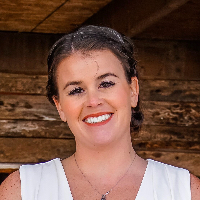












Layla Hernandez
LPC, LMHC
Colorado - 10yrs exp









How DBT approaches self-harm
If you are struggling with urges to self-harm, dialectical behavior therapy, or DBT, frames treatment around learning and practicing specific skills rather than relying on advice alone. DBT organizes these skills into four core modules - mindfulness, distress tolerance, emotion regulation, and interpersonal effectiveness - and applies them to the patterns that often underlie self-injurious behavior. Mindfulness helps you observe urges without acting on them. Distress tolerance gives you strategies to get through intense moments when the urge feels overwhelming. Emotion regulation offers ways to reduce the intensity and duration of painful feelings. Interpersonal effectiveness supports you in communicating needs and setting boundaries so that relationship stressors are less likely to trigger self-harm.
In practical terms, DBT treats self-harm as a behavior that serves a function for you in the short term - for example to reduce unbearable emotion or to communicate distress - and then teaches alternative behaviors that meet those needs without causing harm. Therapists trained in DBT work with you to understand triggers, develop a hierarchy of problems, and build skills that you can use in the moment and over time to change how you cope.
Finding DBT-trained help for self-harm in Colorado
When you search for DBT therapists in Colorado, you will want to look for clinicians who have specific DBT training and experience working with self-harm. Many practitioners list their DBT certification level, years of supervised practice, and whether they offer both individual therapy and skills groups. You can refine your search for providers who practice in major population centers like Denver, Colorado Springs, and Aurora, or who offer telehealth to reach people in Fort Collins, Boulder, and rural areas.
Licensure matters because it indicates that a clinician meets state professional standards, but DBT-specific training and ongoing consultation with DBT teams are equally important. Ask potential therapists whether they participate in peer consultation groups, how they integrate the four DBT modules into treatment for self-harm, and what outcome measures they use to track progress. These conversations will help you determine whether a clinician’s approach aligns with your needs.
What to expect from online DBT sessions for self-harm
Online DBT can be an effective option if you prefer remote care or if local DBT groups are limited. When you begin online DBT, expect a combination of individual therapy, skills training groups, and between-session coaching. Individual therapy is where you will process events, build a plan for safety, and work on behavioral patterns with a therapist. Skills training groups teach the four DBT modules in a structured way, giving you opportunities to learn and practice techniques with peers. Between-session coaching, often by phone or messaging, helps you apply skills when urges or crises arise between appointments.
Online sessions typically mirror in-person structure. You will set goals for each individual session and work through a treatment plan that balances acceptance and change. Skills groups meet regularly and follow a curriculum that includes mindfulness practices you can do at home, distress tolerance exercises for acute moments, emotion regulation strategies to reduce reactivity, and interpersonal skills to navigate relationships. Make sure your therapist explains how confidentiality of telehealth sessions is maintained and what steps they take for crisis response within Colorado, since emergency procedures can vary by location.
Individual therapy
In one-on-one sessions you and your therapist will identify triggering situations, chain analyses that trace the sequence leading to self-harm, and concrete goals for reducing self-injury. Your therapist will support you in practicing alternative behaviors and will measure progress over time. You can expect a collaborative plan that includes skill practice between sessions and a focus on safety planning.
Skills groups
Skills groups are central to DBT and provide a structured environment to learn and rehearse the four modules. Group settings let you hear how others apply skills, which can normalize challenges and offer new ideas for managing urges. Whether you join a local group in Denver or a virtual group that reaches across Colorado, regular attendance and homework practice are important elements of effective DBT.
Between-session coaching
Between-session coaching lets you contact your therapist or coach when you need help applying a skill in a crisis. This real-time support is designed to help you use techniques immediately so that urges do not escalate into self-harm. Ask providers how they offer coaching online and what hours it is available, and how they handle urgent situations outside coaching hours.
Evidence supporting DBT for self-harm
Research on DBT has shown reductions in self-harm behaviors among many people who receive treatment, and DBT is widely recommended for addressing patterns of self-injury that are linked to intense emotional dysregulation. In Colorado, clinicians who practice DBT often use outcome measures to track changes in self-harm frequency and severity, and programs that emphasize skills training tend to report improvements in coping and functioning. While individual results vary, DBT’s structured focus on teaching practical skills makes it a commonly recommended option when self-harm is a presenting concern.
If you are looking for locally relevant evidence, you can ask therapists whether they use standardized assessments and whether they can share aggregate outcome information from their practice. Clinicians who participate in ongoing training and consultation are more likely to keep current with research and to apply best practices when working with self-harm.
Tips for choosing the right DBT therapist in Colorado
Choosing a therapist is a personal process. Start by checking that a clinician has DBT training and experience with self-harm. Ask about the balance of individual therapy, skills groups, and coaching in their program, and whether they offer online options if you need them. Consider practical factors such as appointment availability, insurance or sliding-scale fees, and whether the clinician’s approach fits your cultural background and life circumstances.
During initial outreach, request information about how safety planning and crisis response are handled. It is reasonable to ask how the therapist coordinates with local emergency services in Colorado and what resources they recommend if you experience an immediate crisis. You may also want to inquire about how progress is measured and what a typical course of DBT looks like in their practice.
Location matters for some people and not for others. If you live in Denver, Colorado Springs, Aurora, Fort Collins, or Boulder, you may find a range of in-person DBT groups. If you are outside these urban centers, online DBT can bridge the gap and connect you with trained clinicians across the state. Either way, look for a therapist with whom you feel heard and respected, and who emphasizes skill-building and collaborative problem solving.
Next steps and practical considerations
When you are ready to contact a DBT therapist, prepare a brief description of what you are seeking help for and any immediate safety concerns. Ask about intake procedures, session length, group schedules, and what kind of between-session support is offered. It can be helpful to mention that you are specifically interested in a DBT approach focused on reducing self-harm and learning skills in mindfulness, distress tolerance, emotion regulation, and interpersonal effectiveness.
Remember that finding the right fit can take time. If an initial consultation does not feel like the right match, it is reasonable to try another provider. Your needs and comfort matter, and a good DBT clinician will work with you to create a practical, skills-based path forward that fits your life in Colorado.
If you are in immediate danger or think you might act on a plan to harm yourself, contact local emergency services or a crisis line right away. For non-urgent questions, use the profiles above to compare DBT-trained therapists near you and reach out to schedule a consultation.