Find a DBT Therapist for Mood Disorders in Colorado
This page lists DBT therapists in Colorado who focus on mood disorders and related emotional difficulties. You will find clinicians trained in the DBT model, serving cities across the state - browse the listings below to find a fit.
The DBT approach emphasizes practical skills and collaborative care; use the directory to compare providers and reach out to those whose approach and availability meet your needs.






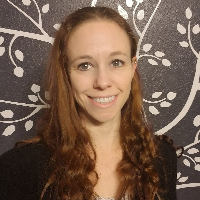

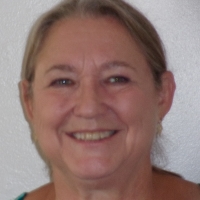

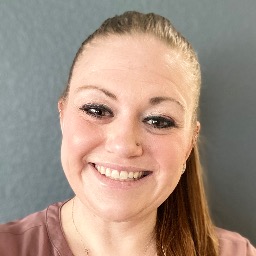



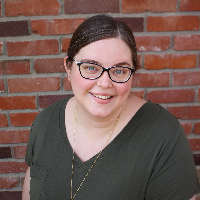

Sandra DeCarolis
LPC
Colorado - 10yrs exp







How DBT Addresses Mood Disorders
Dialectical Behavior Therapy is a skills-focused treatment that helps you manage intense emotions and reduce patterns of behavior that often accompany mood disorders. Instead of focusing only on symptom tracking, DBT teaches concrete skills you can use in daily life. Mindfulness helps you notice emotional shifts without reacting automatically. Distress tolerance gives you strategies to get through crisis moments when emotions spike. Emotion regulation builds your ability to identify feelings, reduce their intensity, and move toward goals even when you feel overwhelmed. Interpersonal effectiveness helps you communicate needs and set boundaries in relationships that can otherwise fuel mood instability.
When applied to mood disorders, DBT emphasizes stability and resilience. You will learn to recognize early warning signs of mood changes, apply skills to de-escalate intense episodes, and build routines that support mood stability. Therapists adapt the modules to focus on the specific challenges you face - for example, integrating emotion regulation skills into plans for sleep, activity, and thought patterns that affect depressive or cyclical mood symptoms.
Finding DBT-Trained Help for Mood Disorders in Colorado
Searching for a DBT clinician in Colorado means looking for someone who combines training in the model with experience treating mood-related concerns. You can narrow your search by location, modality, and the kinds of services offered. In larger metropolitan areas like Denver, Colorado Springs, Aurora, Fort Collins, and Boulder, you may find clinics and private practitioners who run full DBT programs including skills groups and coaching. In smaller towns you may find therapists who integrate DBT skills into individual therapy or who offer telehealth options to connect you with a specialist elsewhere in the state.
Licensing and supervision matter. Many DBT providers have additional certification, attend ongoing consultation teams, and track outcomes to refine care. When you contact a therapist, ask about their specific DBT training, whether they follow the standard components of DBT, and how they tailor skills to mood disorders. That conversation can help you understand whether their approach will align with your preferences and needs.
What to Expect from Online DBT Sessions for Mood Disorders
Online DBT has become a common and effective way to access care across Colorado, especially if you live outside major city centers. A typical DBT program includes weekly individual sessions, weekly skills groups, and as-needed coaching between sessions. In individual sessions you can expect a collaborative problem-solving focus - your therapist will help you apply DBT skills to current mood challenges, track progress, and set behavioral goals. Skills groups are instructional and practice-oriented; you will learn and rehearse mindfulness, distress tolerance, emotion regulation, and interpersonal effectiveness in a group setting where others share similar goals.
Phone or message coaching is often part of DBT and is designed to help you use skills when you need them most. In an online setting, coaching may occur via scheduled check-ins or brief real-time contact to support the application of skills during high-intensity moments. Technology allows therapists to provide continuity of care whether you live in Denver or a rural county, but you will want to confirm how your therapist manages boundaries, availability, and crisis planning when sessions are remote.
Practicalities of Telehealth in Colorado
If you choose online DBT, consider your environment for sessions. Find a comfortable environment at home or another location that lets you concentrate and practice skills without frequent interruptions. Ask about session length, group size, and whether recordings or written materials are provided. Confirm how the therapist handles scheduling across time zones if you travel, and whether they can connect you with local emergency resources if a situation requires in-person support.
Evidence and Support for DBT Applied to Mood Disorders
Research has long supported DBT for problems involving emotion dysregulation and behavioral patterns linked to mood instability. Studies often highlight DBT’s effectiveness in improving coping skills, reducing impulsive behaviors, and helping people manage intense emotional states. In Colorado, clinicians draw on this evidence to adapt DBT for people whose primary concern is a mood disorder, integrating mood-specific strategies with the core DBT skills. Local clinical teams and community mental health providers frequently incorporate DBT-informed care into broader treatment plans, emphasizing skills practice, monitoring, and functional goals that relate to school, work, and relationships.
Evidence does not guarantee outcomes for any individual, but it does show that a structured, skills-based approach can offer a helpful framework when you are navigating mood-related symptoms. When researching providers in Denver, Colorado Springs, Aurora, or Boulder, ask how they translate the research into everyday practice: for instance, whether they use mood tracking tools, skills homework, and measurable goals to help you see progress over time.
Choosing the Right DBT Therapist for Mood Disorders in Colorado
Choosing a therapist is a personal decision and practical considerations matter. Start by clarifying what matters most to you - do you prefer group skills work or individual focus? Are flexible hours or evening groups important because of work or school? Do you need a clinician who offers telehealth alongside occasional in-person sessions? Once you have priorities, reach out to potential providers to ask about their DBT training, experience treating mood disorders, and typical treatment structure. In larger cities like Denver and Aurora you may have more program options, while Colorado Springs and Fort Collins often offer both individual clinicians and community programs. Boulder tends to have clinicians who integrate research-informed approaches with skills-based therapy.
During an initial call or consultation, you can also assess interpersonal fit. DBT relies on a collaborative, active relationship, so you should feel heard and respected when discussing goals and challenges. Ask how progress is measured and what kinds of homework or practice you will be asked to complete between sessions. Check logistics such as insurance participation, sliding scale options, and waitlists. If you are looking for a DBT program that includes skills groups, confirm the size of the group and whether groups are mixed-diagnostic or focused specifically on mood-related difficulties.
Continuity and Community Resources
Because mood disorders can wax and wane, continuity of care is important. Look for therapists who offer regular outcome reviews and make plans for transitions - for example, stepping down from intensive DBT to maintenance work. Colorado has community mental health resources, peer support groups, and university clinics that can complement DBT work. If you live outside Denver or the Front Range, telehealth enables ongoing access to DBT-trained clinicians, while local providers can support in-person needs when required.
Next Steps
Use the listings above to identify DBT therapists who treat mood disorders in Colorado and reach out to learn more about their approach. An initial conversation can clarify training, format, and fit. With a focus on skills - mindfulness, distress tolerance, emotion regulation, and interpersonal effectiveness - DBT offers a practical framework you can use to manage mood-related challenges and pursue your goals. Whether you connect with a provider in Denver, Colorado Springs, Aurora, Fort Collins, Boulder, or another Colorado community, the right DBT-informed clinician can help you build the tools needed to navigate difficult moments and support longer-term stability.