Find a DBT Therapist for Isolation / Loneliness in Colorado
This page connects you with DBT clinicians across Colorado who focus on treating isolation and loneliness. Listings include practitioners trained in mindfulness, distress tolerance, emotion regulation, and interpersonal effectiveness.
Browse the profiles below to find a DBT approach that fits your needs and region, whether you are in Denver, Colorado Springs, Aurora, Fort Collins, or Boulder.







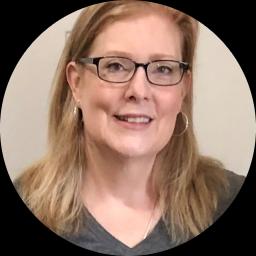
Angela Bellinghausen
LPC, LIMHP
Colorado - 30yrs exp









How DBT Addresses Isolation and Loneliness
If you are feeling cut off from others, DBT offers a skills-based framework that targets the emotions and behaviors that keep isolation in place. Instead of focusing solely on thinking or insight, DBT teaches concrete strategies you can practice. Mindfulness helps you notice the urges and thoughts that arise when you feel lonely, so you can respond with intention instead of reacting automatically. Distress tolerance gives you ways to get through acute waves of loneliness without making choices you may later regret. Emotion regulation provides tools for understanding and modulating intense emotions so they do not shut down your ability to connect. Interpersonal effectiveness targets the skills you use to reach out, set boundaries, and ask for what you need in relationships while maintaining self-respect.
All four modules work together. As you practice mindfulness, you may become more aware of patterns that lead you to withdraw. With emotion regulation, you learn to reduce the intensity of shame, sadness, or anxiety that often accompanies loneliness. Distress tolerance helps you tolerate uncomfortable moments in between connections. Interpersonal effectiveness helps you translate new awareness and emotional control into actions that build and repair relationships. Over time, these skill changes can shift how you navigate social situations and how you are seen and received by others.
Why a Skills-Based Approach Can Help
Loneliness is not just a social problem - it is tied to emotional patterns and behavioral habits. When you repeatedly avoid contact to reduce short-term anxiety, you can unintentionally reinforce isolation. DBT's emphasis on practice and homework means you do more than talk about loneliness - you rehearse approaches in manageable steps. That practice can make reaching out feel less risky, and it can make it easier to interpret feedback from others without catastrophizing. In Colorado, where outdoor cultures and dispersed communities make social life different from denser cities, learning how to create sustainable connections in your context can be especially valuable.
Finding DBT-Trained Help for Isolation and Loneliness in Colorado
When you look for a DBT therapist in Colorado, consider whether you want in-person sessions, online care, or a combination. Larger urban areas such as Denver, Aurora, and Colorado Springs tend to have more in-person DBT programs and skills groups, while Fort Collins and Boulder offer options that range from private practitioners to community clinics. If you live outside a metro area, online DBT can expand your choices and let you join skills groups hosted by clinicians across the state. Pay attention to a clinician's DBT training and their experience working specifically with loneliness as a focus - some DBT therapists specialize in building social skills and repairing interpersonal patterns while others focus more on emotion regulation or crisis management.
Ask prospective therapists whether they offer the full DBT model - individual therapy, skills training groups, and coaching - or if they integrate DBT-informed techniques into individual sessions. Full-model DBT programs offer a structured environment to learn and practice skills with peer support in groups. DBT-informed individual therapy can still provide powerful tools tailored to your situation, particularly when group options are limited.
What to Expect from Online DBT Sessions for Isolation and Loneliness
Online DBT in Colorado typically mirrors in-person care in structure. You can expect weekly individual sessions where you and your therapist break down patterns that contribute to withdrawal and practice ways to change them. Skills groups, often held virtually, teach and rehearse skills from the four DBT modules in a group setting so you can practice with others and receive feedback. Coaching between sessions - by phone or secure messaging depending on the clinician - may be available to help you apply skills in real-time when you are facing a difficult social moment.
Individual therapy will focus on your specific history and goals. A therapist may use chain analysis to identify the sequence of events, thoughts, and feelings that lead you to isolate, and then help you design alternative responses. Skills groups provide a laboratory for trying new communication strategies and observing how others navigate similar challenges. Real-world practice is part of the process, and you will likely be encouraged to try small approach behaviors between sessions so you can build confidence and gather data about what works for you.
Evidence and Outcomes for DBT and Social Functioning
DBT is a structured clinical approach with a research base showing benefits for emotional regulation and interpersonal functioning. Research suggests that skills training in DBT can improve the ability to manage intense emotions and respond more effectively in relationships. While research often focuses on broader outcomes such as reductions in self-harm or emotional dysregulation, many clinicians and clients report that the interpersonal effectiveness module directly targets the skills people need to reduce isolation - for example, learning how to ask for help, negotiate boundaries, and build reciprocal connections. If you are seeking evidence-based care in Colorado, asking potential therapists about how they measure progress and what outcomes they track can help you choose a provider aligned with your goals.
Tips for Choosing the Right DBT Therapist in Colorado
Choosing a therapist is a personal process. Look for clinicians who have formal DBT training and can describe how they apply the four modules to issues of loneliness. Ask how often they run skills groups and whether groups are currently accepting new members. Inquire about session formats - group schedules, individual session frequency, and availability of coaching - so you have a clear picture of the support structure outside of single sessions. Consider logistical factors such as commute time if you prefer in-person work, or the quality of the online platform and expected privacy practices if you choose virtual care. If you live near Denver or Aurora, you may find multiple program options and group formats. In Colorado Springs, Fort Collins, and Boulder you may encounter smaller teams with a hybrid of group and individual work. If affordability is a concern, ask about sliding scale options, insurance participation, or community clinics that offer DBT-informed services.
During an initial consultation, it is reasonable to ask how the therapist has helped other clients address loneliness, what kinds of homework or practice they assign, and how they adapt DBT skills to your cultural and lifestyle context. Pay attention to how the clinician talks about risk and safety - you should get a clear plan about how they will support you if you experience intense distress between sessions. Trust your sense of fit; the best therapeutic progress often occurs when you feel understood and when the treatment plan aligns with your daily life.
Moving Forward in Colorado
If you are ready to address isolation or loneliness, DBT offers practical, teachable skills that can help you engage differently with others and with your own emotions. Whether you live in a busy neighborhood in Denver, the growing communities of Aurora, or the mountain towns near Boulder and Fort Collins, there are DBT-trained clinicians offering a range of formats to meet different needs. Start by reviewing profiles in the listings below, reach out for a brief consult to see how a therapist describes their DBT approach, and consider joining a skills group to practice with others. Change often begins with small, steady steps, and DBT gives you a roadmap for turning those steps into more consistent connection and coping strategies throughout Colorado in 2026 and beyond.