Find a DBT Therapist for Guilt and Shame in Colorado
This page lists DBT clinicians across Colorado who focus on treating guilt and shame through a skills-based approach. Browse the listings below to find practitioners offering individual therapy, skills groups, and coaching both in-person and online.








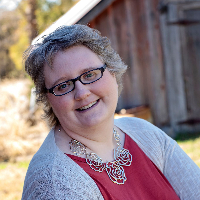



Angela Bellinghausen
LPC, LIMHP
Colorado - 30yrs exp










How DBT approaches guilt and shame
If you are struggling with persistent guilt or shame, DBT frames those feelings as powerful emotional responses that can be managed with specific skills rather than as indicators of a fixed identity. In DBT you will learn to observe and name emotions without judgment using mindfulness. Mindfulness helps you notice when guilt or shame is present so you can create space to respond rather than react. Emotion regulation skills teach you how to identify the functions of these feelings and reduce their intensity when they are overwhelming. Distress tolerance gives you tools to get through moments of acute shame without making impulsive choices that could increase regret. Interpersonal effectiveness helps you repair or protect relationships when guilt or shame is tied to interactions with others, and it supports setting boundaries so you do not take on responsibility that is not yours.
Rather than trying to eliminate feeling remorse or taking away healthy responsibility, DBT helps you recognize when guilt is adaptive and when shame becomes destructive. You will be guided to shift from ruminative self-criticism to concrete, skillful steps - accepting experiences you cannot change, making amends when appropriate, and changing behaviors that you can control.
Which DBT skill modules are most relevant
Mindfulness
Mindfulness is foundational for working with guilt and shame because it trains you to observe inner experience without immediately reacting. By practicing mindful attention, you can learn to notice bodily sensations and thoughts tied to shame, label them, and choose a different response. This reduces automatic self-attack and creates the possibility of compassionate reflection.
Emotion regulation
Emotion regulation skills help you understand what intensifies guilt and shame and what helps them subside. You will learn to identify primary emotions under the surface, use strategies to decrease emotional vulnerability, and build positive emotional experiences that counterbalance prolonged self-blame.
Distress tolerance
When shame hits hard, distress tolerance offers short-term strategies to get through the moment without making it worse. Techniques for grounding, paced breathing, and crisis survival allow you to tolerate painful feelings while you apply longer-term emotion regulation skills. These strategies can be especially useful during sudden waves of embarrassment or when memories trigger intense self-judgment.
Interpersonal effectiveness
Because guilt and shame often arise in the context of relationships, interpersonal effectiveness skills are central to changing the patterns that keep those feelings alive. You will practice clear communication, effective apology and repair strategies, and ways to assert your needs without escalating conflict. Learning these skills can reduce the social isolation that often amplifies shame.
Finding DBT-trained help for guilt and shame in Colorado
When seeking help in Colorado, you will find DBT-trained clinicians in both urban and mountain communities. Larger metropolitan areas like Denver, Colorado Springs, and Aurora have clinics and therapists who offer full DBT programs, including skills groups and coaching. Smaller cities such as Fort Collins and Boulder also host experienced practitioners who blend thorough DBT training with local resources. If you live in a rural community you may find it helpful to look for clinicians who provide telehealth options so you can access a full DBT model regardless of location.
Look for therapists who describe their approach as DBT-informed or DBT-trained and who explain how they deliver the treatment - whether through standard DBT programs, modified DBT for particular issues, or individual therapy with skills coaching. You might also consider whether you want a clinician who emphasizes trauma-informed care, cultural responsiveness, or experience working with particular populations such as adolescents, parents, or people navigating identity-related shame.
What to expect from online DBT sessions for guilt and shame
Online DBT can be a highly practical way to access treatment across Colorado. In a typical online DBT offering you can expect a combination of individual therapy sessions, weekly skills groups conducted over video, and skills coaching available between sessions. Individual therapy focuses on tailoring DBT strategies to your life - identifying targets such as patterns of ruminative guilt or avoidance driven by shame and working through them with the therapist. Skills groups teach the four modules in a structured way so you learn and practice techniques alongside others.
Coaching is a distinctive DBT feature that helps you apply skills in real time. In online programs coaching may be offered by message, scheduled video check-ins, or brief phone guidance. You will use coaching to get help when guilt or shame risks leading to impulsive actions or when you want support practicing a new interpersonal approach. Technology also allows clinicians to share worksheets, guided mindfulness recordings, and skill reminders so you can continue practice between sessions.
Evidence and outcomes for DBT when addressing guilt and shame
DBT was originally developed to treat severe emotion dysregulation, and a broad body of research supports its effectiveness for improving emotional control, reducing self-harm behavior, and enhancing interpersonal functioning. While the research literature often focuses on diagnoses such as borderline personality disorder, the core DBT skills are directly applicable to problems that center on guilt and shame because they target emotional intensity, rumination, and interpersonal patterns. Clinical studies and practice reports suggest that people who learn DBT skills tend to report less reactive self-blame, fewer crisis-driven behaviors, and improved ability to rebuild relationships.
In Colorado settings, therapists often adapt DBT to community needs, integrating culturally responsive approaches and local supports. You can expect evidence-based practice to be combined with practical problem-solving that fits your daily life - whether you commute in Denver, live near the springs in Colorado Springs, or work in Aurora. Outcomes are typically better when you commit to both individual work and skills practice, and when you have access to group learning and coaching that reinforce new habits.
Tips for choosing the right DBT therapist in Colorado
Start by considering what format will work for you - a full DBT program with weekly skills group and coaching, or individual DBT-informed therapy with supplemental skills training. Ask potential therapists how they structure treatment for guilt and shame and which DBT modules they emphasize first. You should also inquire about their training background, how they use coaching, and whether they have experience addressing shame in the context of trauma or relationship issues.
Practical matters matter too. Consider location and availability - finding a clinician who offers evening groups or telehealth can make consistent participation realistic. Check which providers accept your insurance or offer sliding scale options if cost is a concern. Read descriptions of clinicians to get a sense of style and fit, and trust your instincts during initial consultations - comfort with the therapist’s approach often predicts your willingness to try vulnerable practices like targeted mindfulness or interpersonal exercises.
Finally, remember that change takes practice. DBT is a skills-based path that teaches you how to respond differently to guilt and shame. Even small shifts in how you label and tolerate feelings, how you repair relationships, and how you engage with self-directed thoughts can lead to meaningful improvements. Whether you join a group in Boulder, meet with a clinician in Fort Collins, or begin online sessions from home, a DBT-trained provider can help you develop a more manageable and self-supportive relationship with guilt and shame.