Find a DBT Therapist for Coping with Life Changes in Colorado
This page lists DBT clinicians across Colorado who focus on helping people cope with life changes using a skills-based approach. Explore profiles below to find DBT providers in Denver, Colorado Springs, Aurora, Boulder, Fort Collins and beyond.











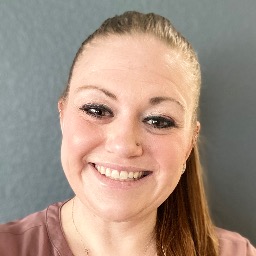

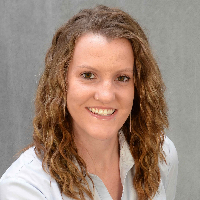

Angela Bellinghausen
LPC, LIMHP
Colorado - 30yrs exp








How DBT Helps You Cope with Life Changes
Dialectical Behavior Therapy - DBT - is built around teaching practical skills that help you manage the emotional impact of transitions. Life changes such as moving, job shifts, relationship endings, becoming a parent, retirement, or health challenges can trigger intense feelings and impulsive reactions. DBT breaks these experiences into teachable skills so you learn to respond to change with more clarity and choice instead of getting swept up by emotion.
The four core DBT skill modules - mindfulness, distress tolerance, emotion regulation, and interpersonal effectiveness - each play a role when you are facing transitions. Mindfulness helps you stay present and notice what is happening without judgment, which can reduce the tendency to ruminate about how things used to be or how they might go wrong. Distress tolerance gives you tools to get through acute moments of crisis or overwhelm without making decisions you will later regret. Emotion regulation teaches you how to identify, name, and shift intense feelings so that they do not derail daily functioning. Interpersonal effectiveness helps you set boundaries, ask for support, and navigate changing roles in relationships - skills that are often needed when life circumstances shift.
Because DBT focuses on measurable skill development, you will often practice techniques in real life and bring feedback into sessions. That practical orientation helps you build a toolkit you can rely on when new challenges arrive, rather than depending on one-off coping mechanisms that may not hold up over time.
Finding DBT-Trained Help for Life Changes in Colorado
When you search for DBT clinicians in Colorado, look for therapists who describe their work as skills-based and who explicitly reference the DBT modules. Many practitioners offer a combination of individual therapy and group skills training, which is the standard DBT model. You may find clinicians working in major metro areas like Denver, Colorado Springs, and Aurora, as well as in university towns and mountain communities like Boulder, Fort Collins, and others across the state.
Consider practical details that matter for your situation. If you live near downtown Denver you may prefer in-person sessions and local groups, while people in more rural parts of Colorado often rely on telehealth options to access DBT skills groups and individual coaching. Ask whether therapists offer beginner-friendly DBT skills groups, accelerated formats for short-term needs, or ongoing groups for continued practice after an immediate transition has passed.
What to Expect from Online DBT Sessions for Coping with Life Changes
Online DBT often follows the same general structure as in-person care - weekly individual therapy, weekly skills group meetings, and access to coaching between sessions. In individual therapy you and your clinician will set specific goals tied to the life change you are navigating. That might mean focusing on managing grief after a loss, reducing impulsive reactions during a divorce, or developing routines after relocating to a new city. The therapist will help you apply DBT skills to your personal goals and will track progress session to session.
Skills groups are instructional and interactive. In a group you will learn and practice exercises in mindfulness, distress tolerance, emotion regulation, and interpersonal effectiveness. Group settings also give you opportunities to try new ways of interacting with others and to receive feedback from peers and facilitators. For many people a group is where the DBT skills shift from abstract ideas into habits you can use when change feels most difficult.
Coaching between sessions can be especially helpful during major life transitions. Coaching is typically brief - a call, text message, or short video check-in - and is designed to help you apply a skill in the moment. This kind of support can prevent a small crisis from escalating and gives you practice using DBT tools while real life is happening. If you are new to online care, ask potential therapists how they handle technology, what platforms they use, and how they maintain continuity when schedules or time zones change.
Evidence Supporting DBT for Coping with Life Changes
DBT has a strong track record for helping people develop emotion regulation and distress tolerance skills, which are central to managing transitions. Research and clinical reviews show DBT effectively reduces impulsive behaviors and improves emotional stability, which are common challenges when life circumstances shift. While much of the research initially focused on specific diagnoses, therapists increasingly apply DBT principles to stress, grief, adjustment difficulties, and problems that arise during major transitions.
In Colorado, clinicians often adapt DBT protocols to local needs - offering evening skills groups to accommodate shift workers in Colorado Springs, integrating mindfulness practices that resonate with outdoor-oriented clients in Fort Collins and Boulder, or providing telehealth options for people in mountain communities. These adaptations keep the core skills intact while making them accessible to the diverse lifestyles and schedules found across the state.
Tips for Choosing the Right DBT Therapist in Colorado
Start by clarifying what kind of support you need right now. Are you looking for short-term help while you manage a discrete change, or ongoing skills training to support broader life transitions? If you are seeking immediate coping tools, confirm that therapists offer skills coaching between sessions. If long-term work appeals to you, look for clinicians who facilitate ongoing DBT skills groups and who track progress over months.
Ask about training and experience with DBT. Therapists who have completed formal DBT training or who work within DBT consultation teams will be familiar with the model's structure and core strategies. It is also useful to ask how they tailor DBT to life changes - whether they incorporate goal-setting around employment transitions, parenting changes, relocation, or other specific issues you face. In Denver and Aurora you may find larger clinics that offer full DBT programs, while in smaller Colorado communities clinicians might offer modified or tailored DBT-informed treatment.
Consider accessibility and logistics. Check whether a therapist accepts your insurance, offers sliding scale fees, or provides telehealth options if travel is difficult. If group membership matters to you - for example a group that meets outside work hours or one that focuses on a life stage like new parenthood - ask about group composition and expectations. Cultural fit is important too. You may prefer a therapist who shares or understands your background, speaks your preferred language, or has experience working with LGBTQ+ clients, veterans, or other communities common in Colorado.
Finally, trust how you feel in a first conversation. Many therapists offer a brief consultation call so you can ask about the DBT approach, group format, and coaching policies. Use that conversation to get a sense of whether the clinician's style feels supportive and practical. Moving through change takes commitment, and a collaborative relationship with your clinician will help you stay engaged in the work.
Putting DBT Skills into Practice During Change
As you begin DBT work, focus on concrete practices. Start with short mindfulness exercises that anchor you in daily life. Learn one distress tolerance technique you can use in intense moments, and practice an emotion regulation strategy when you notice patterns that worsen after a transition. If relationships are shifting, use interpersonal effectiveness skills to express needs or set boundaries clearly and respectfully. Over time these small, repeated practices create resilience so you can adapt more easily to new circumstances.
If you are in Denver, Colorado Springs, Aurora, Boulder, Fort Collins, or elsewhere in Colorado, this directory can help you find clinicians who emphasize DBT for life changes. Browse the profiles below to compare training, formats, and availability, and reach out to a few therapists to find the best match for your needs. With focused practice and the right support, you can develop a reliable toolkit to navigate transitions with more confidence and calm.