Find a DBT Therapist for Body Image in Colorado
This page lists DBT-focused clinicians across Colorado who work specifically with body image concerns. You will find therapists who emphasize DBT's skills-based approach and offer options across Denver, Colorado Springs, Aurora, Fort Collins, and Boulder. Browse the profiles below to learn more and connect with a clinician who fits your needs.
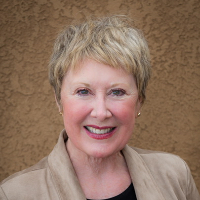






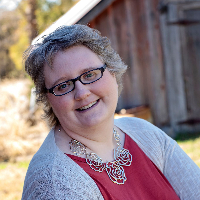
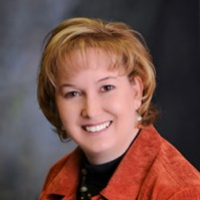
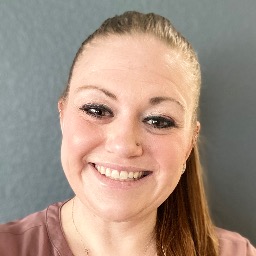
Angela Bellinghausen
LPC, LIMHP
Colorado - 30yrs exp






How DBT Addresses Body Image
When body image feels distressing it often reflects patterns of reactive emotion, intense self-judgment, and difficult interpersonal interactions. Dialectical Behavior Therapy - DBT - approaches these patterns through a structured, skills-focused method that helps you build practical tools you can use day to day. Instead of only talking about feelings, DBT teaches specific techniques that target how you notice your body-related thoughts, how you tolerate strong emotions that arise from body image distress, how you regulate intense mood shifts, and how you manage relationships that influence self-image.
The four core DBT modules - mindfulness, distress tolerance, emotion regulation, and interpersonal effectiveness - each play a role in treating body image concerns. Mindfulness helps you observe body-related thoughts and sensations without immediately reacting or accepting every judgment as truth. Distress tolerance equips you to sit with intense feelings that can arise after comparing yourself to others or after a triggering event. Emotion regulation builds your ability to reduce vulnerability to extreme emotional states and to increase positive emotional experiences. Interpersonal effectiveness supports clearer communication and boundary-setting in relationships that may amplify body dissatisfaction. Together these modules give you a toolkit for changing how you relate to your body, to your thoughts about your body, and to the people who influence your self-view.
Finding DBT-Trained Help for Body Image in Colorado
Searching for a therapist who uses DBT means looking for clinicians who integrate the skills modules into their work and who have experience applying DBT to body image concerns. In Colorado you can find practitioners in a range of settings - private practice offices, community clinics, university counseling centers, and group programs - across urban and suburban areas. If you live in or near Denver, Colorado Springs, Aurora, Fort Collins, or Boulder, you are likely to find clinicians offering both in-person and online options. When you review profiles, look for therapists who describe DBT training, ongoing consultation with DBT teams, or experience leading DBT skills groups that include content relevant to body image.
Many DBT-informed clinicians combine manualized DBT skills teaching with individualized attention to eating behaviors, body checking, and self-image. Some therapists adapt skills training to focus on body-related triggers, teaching how to notice the urge to compare, to check, or to avoid, and then applying a DBT skill to shift the pattern. Seeking a therapist who explicitly mentions body image in their specialty can help ensure that the DBT work you do is applied to the challenges you face.
What to Expect from Online DBT Sessions for Body Image
Online DBT has become a common option across Colorado, and it can be effective for learning and practicing skills without geographic limits. When you engage in online DBT for body image you may participate in individual therapy sessions that focus on your personalized targets, live skills groups that teach and rehearse DBT modules, and between-session coaching or check-ins to help apply skills in real moments of need. Individual sessions typically review progress, address crises or behaviors that interfere with goals, and tailor skills to your body image concerns. Skills groups provide structured lessons on mindfulness, distress tolerance, emotion regulation, and interpersonal effectiveness with opportunities to practice in-session and discuss real-life applications.
Coaching or on-call support (often described as phone or messaging coaching) can be a helpful bridge between sessions when you face a triggering situation and want live guidance in using a skill. Telehealth makes it easier to attend regular group sessions while you live in Denver, Colorado Springs, Aurora, or smaller Colorado communities. Before you start, ask a prospective clinician how they structure online groups and individual work, how they handle privacy and technology, and whether they tailor skills practice to body image themes such as body checking, mirror exposure, or social comparison.
Evidence and Clinical Reasoning for DBT and Body Image
DBT was originally developed to treat emotion dysregulation and behaviors that arise from intense affect. Over time clinicians have adapted DBT principles to address a wider range of concerns where skills training and emotion regulation are central, including body image difficulties. Research and clinical reports indicate that DBT may reduce harmful behavioral patterns connected to body dissatisfaction by improving coping skills, reducing impulsive behaviors, and enhancing emotional awareness. While outcomes vary by individual, many people find that learning to observe thoughts without immediate reaction and learning distress tolerance skills reduces the power that negative body-related thoughts have over daily life.
In Colorado, clinicians often integrate evidence-based adaptations that connect DBT to body-focused work. That can look like combining DBT skills practice with exposure techniques around mirrors or with behavioral experiments that test body-related beliefs, always within an individualized therapeutic plan. When seeking care, you can ask clinicians how they measure progress, what outcomes they track, and whether they collaborate with other providers if needed, such as nutrition professionals or medical teams, to ensure a comprehensive approach.
Choosing the Right DBT Therapist for Body Image in Colorado
Finding the right fit involves both technical training and personal rapport. You may want a therapist who has explicit DBT training - such as completion of DBT workshops, consultation team participation, or certification pathways - and experience applying DBT to body image or eating-related concerns. It is reasonable to ask about the clinician's experience with skills groups, how they tailor DBT to body image, and whether they offer individual and group components. Consider whether you prefer in-person sessions near Denver, Colorado Springs, Aurora, Fort Collins, or Boulder, or whether online options will make attendance easier for you.
Therapeutic fit also matters. Notice how a clinician talks about body image during an initial call - do they listen to your priorities, describe a clear plan that centers DBT skills, and offer examples of how skills would apply in your life? Clarify logistics such as session length, availability, fees, and whether they provide between-session coaching. If insurance matters to you, inquire about in-network options or sliding scale availability. Taking a first-step consultation or an intake session can help you assess whether the clinician's DBT style and experience align with your needs.
Practical Considerations Across Colorado Cities
If you live in a metropolitan area like Denver or Aurora you may find a broader range of DBT programs and more frequent skills group offerings. In Colorado Springs and Boulder clinicians often combine DBT with community-based resources and local group options. In Fort Collins and other northern parts of the state, telehealth expands access to clinicians who may otherwise be farther away. No matter where you live, ask about group schedules and whether they accommodate work or school hours, and whether clinicians integrate culturally informed approaches that reflect Colorado's diverse communities and outdoor lifestyle.
Getting Started
Begin by reviewing therapist profiles that note DBT training and a focus on body image. Reach out to a few clinicians to compare approaches and availability, and prepare a short list of questions about how they use the DBT modules to address body image. Starting DBT is a stepwise process - you will learn skills, apply them in daily life, and revisit goals as you gain new tools. With practice you may find that mindfulness helps you notice judgment, distress tolerance reduces impulsive reactions, emotion regulation smooths intense mood swings, and interpersonal effectiveness improves the way you manage relationships that affect your self-image.
Whether you are in Denver, Colorado Springs, Aurora, Fort Collins, Boulder, or elsewhere in Colorado, DBT offers a structured, practical way to work on body image concerns. Use the listings above to connect with a clinician who emphasizes skills training, aligns with your goals, and can support you in building a more manageable, grounded relationship with your body and your thoughts about it.