Find a DBT Therapist for Smoking in California
This page lists DBT-trained therapists in California who focus on treating smoking using a skills-based approach. Explore practitioners across the state and browse the listings below to find a clinician who fits your needs.
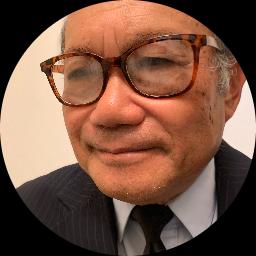


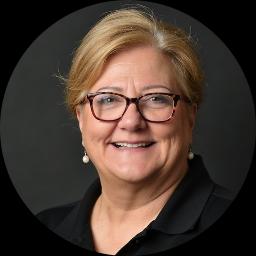

Trisha Taylor
LMFT
California - 14yrs exp

Dr. James Wood
LMFT
California - 34yrs exp













How DBT approaches smoking cessation
Dialectical Behavior Therapy is built around practical skills that help people manage urges, regulate difficult emotions, tolerate distressing moments and maintain relationships while making behavior changes. For smoking, DBT reframes quitting as a process that asks you to build the muscle of noticing triggers and working with urges rather than simply trying to rely on willpower. Mindfulness skills help you observe cravings without automatically acting on them. Distress tolerance skills provide techniques to get through intense urge moments when you are not ready or able to change immediately. Emotion regulation skills support longer-term reduction of nicotine use by addressing the emotional drivers of smoking, such as anxiety, boredom or anger. Interpersonal effectiveness skills help you navigate social situations where smoking occurs and communicate needs without jeopardizing relationships.
Mindfulness and the moment of craving
When a cigarette craving hits, mindfulness practices teach you to notice bodily sensations, thoughts and urges in a nonjudgmental way. You can learn to label the urge, note how it rises and falls, and observe associated thoughts without attaching to them. That brief space of awareness often creates the possibility of making a different choice. Therapists trained in DBT will guide you through experiential practices so that mindfulness becomes a real tool you can use whenever cravings arise - whether you are on a walk in Los Angeles or taking a break at work in San Francisco.
Distress tolerance to get through high-risk moments
Distress tolerance skills are designed for moments when you need to get through an intense craving or a difficult situation without making a change that will later be regretted. Techniques might include grounding exercises, paced breathing, cold water immersion or distraction strategies that are personalized to the situation. The point is not to eliminate discomfort entirely but to expand what you can endure while you keep working toward your goals. In DBT for smoking, those techniques are practiced repeatedly so they become available in urgent moments.
Emotion regulation and the deeper drivers of smoking
Quitting smoking often requires addressing the emotional patterns that maintain use. DBT emotion regulation skills teach you to identify emotions, reduce vulnerability to intense mood swings and build positive experiences that lessen the need to smoke. Therapy may include helping you develop routines that stabilize sleep and hunger, increasing activities that bring meaning or pleasure, and learning opposite action strategies to shift emotional states. Over time, emotion regulation reduces the frequency and intensity of triggers that previously led to smoking.
Interpersonal effectiveness in social and workplace settings
Many smoking cues are social - a friend offering a cigarette, a workplace break where colleagues smoke, or family members who smoke at home. Interpersonal effectiveness skills help you assert boundaries, ask for support and negotiate environments that make quitting easier. You can practice language for declining offers, ask for accommodations at work, or plan how to respond to pressure in social settings. These skills make it more feasible to maintain behavior change while preserving valued relationships.
Finding DBT-trained help for smoking in California
California has a diverse mix of DBT clinicians working in community clinics, private practices and integrated care settings. Major urban areas such as Los Angeles, San Francisco and San Diego often have specialized DBT programs that include clinicians with experience treating nicotine dependence and other addictive behaviors. In smaller metros and suburbs, you may find individual DBT practitioners who offer targeted work on smoking within a broader DBT framework. When searching, look for clinicians who explicitly list DBT skills training and experience addressing smoking or substance use. Many therapists will offer an initial consultation to discuss whether a DBT-oriented approach is the right fit for your goals.
What to expect from online DBT sessions for smoking
Online DBT options have become more common and can make consistent treatment easier across California, from San Jose to Sacramento. You can expect a combination of individual therapy, skills training groups and between-session coaching in many DBT programs. Individual sessions focus on applying DBT skills to your specific chain analyses - the step-by-step review of what leads to smoking episodes and what can be changed. Skills groups teach mindfulness, distress tolerance, emotion regulation and interpersonal effectiveness in a structured, practice-oriented setting. Coaching or brief check-ins between sessions help you apply skills in real time during cravings or high-risk situations.
Sessions typically use structured agendas, homework assignments such as diary cards to track urges and practice logs, and collaborative problem-solving around setbacks. Online group formats replicate in-person group exercises and may include breakout practice moments, role-plays and live skill coaching. You should expect a blend of learning, rehearsal and reflection aimed at giving you tools to manage urges and reduce smoking over time.
Evidence and clinical practice supporting DBT for smoking
Research into DBT-informed treatments for substance use has grown over recent years, and clinicians who treat smoking with DBT draw on that body of work. Studies indicate that skills training - particularly modules focused on distress tolerance and emotion regulation - can help people reduce impulsive substance use and improve relapse prevention. In practice, clinicians adapt DBT methods to address nicotine-specific challenges, integrating behavioral techniques such as stimulus control and relapse planning with the core DBT skills. Clinical experience in California's diverse treatment settings has shown that combining skills group practice with individualized coaching and planning can increase a person’s ability to manage cravings and maintain behavior change.
Tips for choosing the right DBT therapist in California
Start by identifying clinicians who list DBT training and experience working with smoking or addictive behaviors. Ask about the balance between individual therapy and skills groups, since many people benefit from both. Inquire how the therapist integrates craving-specific techniques with DBT skills - for example, whether they use chain analysis to map trigger sequences or offer coaching for urge moments. Consider logistics that matter to your life - daytime or evening availability, online versus in-person sessions, and whether the clinician practices in your city or region. If language access matters, look for therapists who offer sessions in Spanish or other languages common in California communities.
Evaluate fit during an initial consultation. Notice whether the therapist explains how mindfulness, distress tolerance, emotion regulation and interpersonal effectiveness will be applied to smoking-related goals. Discuss goals, expected timeframes and how progress will be tracked. If group work is part of the plan, ask about group size and the group’s approach to practicing skills. You may prefer a clinician who emphasizes collaborative planning and offers practical tools you can use between sessions.
Making DBT work for your life in California
Quitting smoking is a personal process that unfolds differently for each person. In California, you have access to a wide range of DBT-trained clinicians and programs, including options in large urban centers and remote delivery across the state. By choosing a therapist who tailors DBT skills to the specifics of smoking - focusing on craving management, emotional drivers and social dynamics - you can build a sustainable plan that fits your daily routine. With consistent practice, coaching when needed and skillful clinical support, you can expand the ways you respond to urges and create long-term changes that reflect your values and goals.
Use the listings above to explore profiles, compare approaches and reach out for an introductory conversation. A short consultation can help determine whether a DBT skills-based path is a good match for the next steps you want to take in quitting smoking.