Find a DBT Therapist for Personality Disorders in California
This page lists DBT clinicians across California who focus on personality disorders and use the skills-based DBT model. Browse the profiles below to compare approaches, locations, and how each therapist integrates DBT skills into treatment.





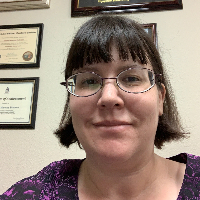
Bethany Maroney-Peterson
LMFT
California - 16yrs exp





How DBT Addresses Personality Disorders
If you are exploring treatment options for personality disorder-related challenges, DBT offers a structured, skills-based approach that targets the patterns that cause the most distress. DBT blends acceptance and change strategies so you learn to notice and tolerate intense emotions while also developing practical tools to change unhelpful behaviors. The model centers on four skill modules - mindfulness, distress tolerance, emotion regulation, and interpersonal effectiveness - and each module plays a distinct role when personality features create ongoing emotional or relational difficulty.
Mindfulness helps you observe thoughts, feelings, and urges without acting on them automatically. That foundation supports distress tolerance, which gives you crisis survival tools when emotions feel overwhelming. Emotion regulation teaches you to identify patterns of reactivity, reduce vulnerability to extreme emotional states, and build opposite actions to reshape how you respond over time. Interpersonal effectiveness equips you to state needs, maintain boundaries, and navigate relationships with more clarity and less reactivity. Together, these skills give you a practical toolkit for navigating the kinds of emotional instability, impulsive behaviors, and interpersonal conflict that often accompany personality disorder presentations.
Finding DBT-Trained Help in California
When searching for a DBT therapist in California, you will find clinicians working in private practices, community mental health centers, university clinics, and specialty programs. In major urban centers like Los Angeles and San Francisco, there tends to be a broader range of DBT teams offering both comprehensive DBT programs and skills-only groups. San Diego, San Jose, and Sacramento also host trained clinicians who tailor DBT to local needs, including Spanish-language services and culturally informed care.
Look for therapists who describe specific DBT training on their profiles - coursework, certification from recognized DBT training organizations, or supervised experience with DBT teams. Some clinicians provide the full DBT package - individual therapy, skills group, therapist consultation team, and phone coaching - while others focus on DBT-informed individual work or skills groups. Decide whether you want a comprehensive program or a therapist who integrates DBT strategies into broader treatment based on how intensive your needs are.
What to Expect from Online DBT Sessions for Personality Disorders
Online DBT has become a common option across California, especially if you live outside a major metropolitan area or prefer virtual sessions. If you choose online care, expect a combination of individual therapy and group skills training, often delivered through video sessions. Individual DBT sessions focus on your treatment targets - behaviors you want to change, life-threatening or therapy-interfering behaviors, and building new skills. Skills groups teach the four DBT modules in a classroom-style environment so you can practice new techniques and get feedback.
Many DBT clinicians offer between-session coaching by phone or messaging platforms to help you apply skills in real time. That coaching is designed to help you use distress tolerance and interpersonal effectiveness tools when situations escalate. Technology makes it possible to attend a skills group in San Francisco while seeing an individual therapist located elsewhere in California, which increases your choices. Be sure to ask how the therapist manages group norms online, how they protect session privacy, and what platform features they use to make learning interactive.
Evidence Supporting DBT for Personality Disorders
Over several decades, research and clinical practice have supported DBT as an evidence-based approach for addressing certain behaviors often associated with personality disorders. Studies have examined DBT's impact on self-harm behaviors, emotional instability, and difficulties in day-to-day functioning. The skills-focused nature of DBT makes it a practical option if your goals include reducing crisis behaviors, improving emotion regulation, and strengthening relationships.
In California, many clinics and university programs contribute to this research-informed clinical landscape. You will find clinicians who draw on published evidence while tailoring DBT to individual needs, cultural context, and life circumstances. When evaluating providers, ask how they translate research into practice and how outcome progress is tracked during treatment. That conversation can help you understand what measurable improvements you and your therapist will target together.
Tips for Choosing the Right DBT Therapist in California
Choosing a therapist is both practical and personal. Start by checking credentials and DBT-specific training, then review how the clinician structures care. If you need a full DBT program, prioritize clinicians who offer standard DBT components - individual therapy, a skills group that covers mindfulness, distress tolerance, emotion regulation and interpersonal effectiveness, and consultation or team support that keeps care consistent. If your schedule or needs call for flexibility, seek therapists who offer hybrid options combining in-person and online sessions.
Consider logistics such as location and availability. If you live near Los Angeles, you may have access to specialized DBT teams and large group offerings. In smaller communities, therapists may deliver DBT-informed care individually or run smaller skills groups. Think about language and cultural fit as well - many California clinicians highlight bilingual services or experience working with specific communities. Ask about fees, insurance acceptance, sliding scale options, and the anticipated length of commitment so you can plan realistically.
When you contact a therapist, prepare a few questions: How long have they practiced DBT? Do they offer group skills training? What is their approach to coaching between sessions? How do they measure progress? How do they adapt DBT skills to your life circumstances? A short initial consultation can give you a sense of rapport and whether their style feels like a good match. Trusting the fit between you and your therapist is a key part of making progress.
Making DBT Work for You in California
DBT is most helpful when you can practice skills consistently and apply them in everyday situations. Expect to spend time outside sessions practicing mindfulness, using distress tolerance strategies when you feel overwhelmed, testing emotion regulation techniques, and trying new interpersonal behaviors. Progress often comes from gradual changes in how you respond to triggers, not from sudden fixes. Your therapist will likely help you set measurable goals and celebrate incremental progress along the way.
If you live in or near urban centers like San Francisco, Los Angeles, or San Diego, you may find a wider selection of group formats and specialized DBT programs. If you live farther from those hubs, online DBT expands your access. In all settings, look for clinicians who welcome questions, explain the structure of treatment clearly, and partner with you to tailor skills to your life. That collaborative approach helps DBT feel relevant and usable.
Next Steps
Use the listings above to compare therapists who list DBT training and experience with personality disorders. Reach out for an initial conversation to ask about their approach to the four DBT modules, how they structure care, and how they support clients between sessions. Taking that step can help you find a clinician who not only understands the evidence behind DBT but also helps you apply the skills in a way that fits your daily life in California.