Find a DBT Therapist for OCD in California
Discover DBT-trained clinicians across California who focus on treating obsessive-compulsive disorder using a skills-based approach. This page highlights therapists who integrate the DBT modules of mindfulness, distress tolerance, emotion regulation, and interpersonal effectiveness into OCD care. Browse the listings below to find a clinician in Los Angeles, San Francisco, San Diego, or elsewhere in the state.







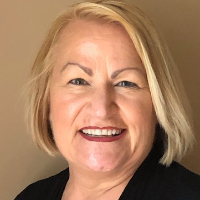

Lisa Lucius
LMFT
California - 10yrs exp
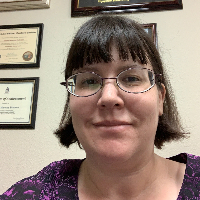
Bethany Maroney-Peterson
LMFT
California - 16yrs exp






How DBT Specifically Treats OCD
Dialectical behavior therapy is often thought of for emotional regulation and borderline personality disorder, but its skills-based framework can be adapted to address patterns common in OCD. When you encounter obsessive thoughts and the urge to perform rituals, DBT offers a set of practical skills that help you notice, tolerate, and respond to those experiences in ways that reduce interference in daily life. Rather than promising elimination of all symptoms, DBT teaches methods to change your relationship to thoughts and urges so they have less power over your behavior.
Mindfulness and obsessive thinking
Mindfulness training in DBT helps you develop the ability to observe thoughts without immediately acting on them. You will practice noticing intrusive thoughts as passing mental events and labeling them rather than getting pulled into compulsive responses. That shift - from fusion with a thought to observation of a thought - can reduce the urgency of ritualized behaviors and give you room to choose alternative responses.
Distress tolerance and resisting compulsions
Distress tolerance skills equip you to withstand uncomfortable sensations and intense urges without resorting to compulsions. You learn strategies to ground yourself in moments of high anxiety and to ride out the impulse long enough for it to subside. These skills can be paired with exposure-based strategies if a clinician uses an integrated approach, allowing you to practice tolerating distress in a structured way while using DBT skills to stay present.
Emotion regulation and obsessive loops
Many obsessive-compulsive patterns are fueled by strong emotions such as shame, fear, or anxiety. DBT’s emotion regulation module teaches you how to identify and monitor emotions, reduce vulnerability to intense states, and apply techniques to shift emotional intensity. As you gain greater control over reactive emotional responses, the drive toward compulsive behavior can lessen because the underlying triggers become more manageable.
Interpersonal effectiveness and life impact
Interpersonal effectiveness skills address how OCD affects relationships, work, and family life. You will practice communication techniques that help you set boundaries, ask for support, and negotiate needs without escalating conflict. When relationships improve, the stressors that often feed obsessive patterns can diminish, which makes therapeutic gains more sustainable.
Finding DBT-Trained Help for OCD in California
When looking for a DBT therapist who treats OCD in California, focus on training and clinical experience. Many clinicians incorporate DBT into their work after specialized training in DBT principles and skills coaching. You can search for clinicians who advertise DBT as a core approach and who describe how they integrate DBT modules for OCD-related issues. In urban centers such as Los Angeles and San Francisco, you may find clinicians who offer both comprehensive DBT programs and shorter, skills-focused interventions. In San Diego, San Jose, and Sacramento there are clinicians adapting DBT for OCD and co-occurring concerns, so consider geographic flexibility if location matters.
Licensing and state regulations vary, so confirm that any clinician you consider is licensed to practice in California. If language, cultural background, or experience with certain populations is important to you, look for clinicians who highlight that expertise. Many DBT providers describe whether they offer individual DBT, group skills training, or coaching services - each format affects how you engage with DBT skills for OCD.
What to Expect from Online DBT Sessions for OCD
Online DBT for OCD often mirrors in-person care in structure and content, offering individual therapy, skills groups, and telephone or messaging coaching. In individual sessions, you and your therapist will typically conduct a behavioral analysis of obsessive and compulsive patterns, set treatment targets, and apply DBT skills to specific situations. Individual therapy provides a chance to tailor the DBT modules to your personal triggers and goals.
Skills groups teach mindfulness, distress tolerance, emotion regulation, and interpersonal effectiveness in a classroom-style setting where you can practice with others. Group formats are useful because they allow you to see how others apply skills and to rehearse new behaviors in a supportive environment. Some clinicians in California run DBT skills groups online to increase accessibility across regions, which can be beneficial if you live outside a major city.
Coaching in DBT is available between sessions to help you apply skills in real time. This can take the form of brief calls or secure messaging with a therapist or coach to reinforce strategies when urges or stressors arise. When using online services, make sure you understand how coaching is offered and the boundaries around availability and response times so you can make informed choices about support during high-distress moments.
Evidence and Clinical Considerations
Research into DBT adaptations for obsessive-compulsive patterns is growing. Clinical reports and controlled studies suggest that DBT skills can reduce emotional reactivity and improve functioning when OCD co-occurs with intense mood or emotional instability. In California, clinicians often integrate DBT with OCD-focused interventions to address both the behavioral components of rituals and the emotional drivers that sustain them. This integrative approach aims to treat the whole person rather than isolated symptoms.
When evaluating evidence, consider whether a clinician uses outcome measures to track progress and whether they can explain how DBT skills are applied to OCD-specific targets. You should expect a thoughtful rationale for integrating modules such as mindfulness and distress tolerance with exposure-like practices if those are part of the plan. Transparency about treatment goals, expected timelines, and ways to measure changes in symptoms and functioning is a sign of an intentional, evidence-informed approach.
Tips for Choosing the Right DBT Therapist in California
Start by clarifying what matters most to you - whether that is an experienced DBT clinician, online availability, group skills training, or cultural competence. Ask potential therapists about their experience working with OCD and how they adapt DBT modules to address obsessive thinking and compulsive behavior. Inquire about the balance of individual therapy, skills group attendance, and coaching, and how these components will fit your schedule. If you live in or near metropolitan areas like Los Angeles, San Francisco, or San Diego, ask whether the clinician offers in-person sessions or hybrid options so you can compare formats.
Consider practical matters such as insurance, sliding scale options, and session cadence. Talk with a clinician about how progress is measured and what typical milestones might look like for someone working on OCD with DBT. If you have co-occurring conditions - for example anxiety disorders, mood disorders, or trauma-related concerns - look for a provider who has experience managing multiple issues with an integrated DBT framework. Finally, trust your sense of fit - a collaborative therapeutic relationship and clear communication about goals help you make the most of DBT skills as you work toward greater flexibility and functioning.
Whether you live in an urban center like San Jose or Sacramento or in a smaller California community, DBT-trained clinicians can offer a structured, skills-based path to manage the emotional and behavioral aspects of OCD. Use the listings above to connect with providers who align with your goals, and reach out to learn how DBT can be tailored to your needs as you pursue meaningful, lasting change.