Find a DBT Therapist for Grief in California
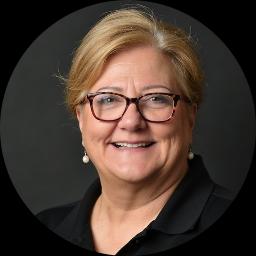
This page lists clinicians in California who use Dialectical Behavior Therapy (DBT) to help people navigate grief. Explore practitioners trained in DBT approaches and browse profiles below to find a clinician whose approach fits your needs.
















How DBT specifically addresses grief
Grief is not only sadness - it often involves waves of intense emotion, intrusive thoughts, and shifts in identity and relationships. DBT offers a skills-based framework that helps you manage overwhelming feelings while building meaningful coping strategies. Instead of treating grief as a problem to be eliminated, DBT helps you tolerate pain, notice what matters, and act in ways that support your values and recovery.
Mindfulness and awareness
Mindfulness skills help you observe grief without immediately reacting. When you practice paying attention to sensations, thoughts, and emotions, you gain more choice about how to respond. That can reduce the sense that grief is consuming you and create pockets of calm where you can reflect on memories, process loss, and decide how to move forward. Mindfulness also strengthens your ability to be present with others when you want support or need to set boundaries.
Distress tolerance
Distress tolerance skills are particularly relevant in early or intense phases of grief when you feel overwhelmed. Those skills give you short-term strategies to survive acute emotional pain - grounding techniques, paced breathing, and distraction methods that reduce immediate reactivity. Over time, practicing distress tolerance can help you face painful moments without resorting to behaviors that you might later regret.
Emotion regulation
Emotion regulation work focuses on understanding triggers, labeling emotional experiences, and reducing vulnerability to extreme states. Grief can bring intense sadness, anger, guilt, or numbness. DBT helps you identify patterns that intensify these states and teaches practices to balance your emotional system. This can make daily functioning easier and improve your capacity to engage in important relationships and responsibilities.
Interpersonal effectiveness
Loss often reshapes relationships with family, friends, and work colleagues. Interpersonal effectiveness skills help you communicate needs, set limits, and navigate social situations that may be complicated by grief. Whether you are arranging practical matters after a death or explaining emotional ups and downs to loved ones, these skills give you tools to maintain dignity and connection.
Finding DBT-trained help for grief in California
California has a broad network of clinicians who integrate DBT into grief work. In major metropolitan areas like Los Angeles, San Francisco, and San Diego you are likely to find therapists offering full DBT programs, including individual therapy and skills groups. Smaller communities and suburban areas may have clinicians who adapt DBT techniques in individual practice, and some providers travel or offer regional group options.
When searching, look for therapists who describe DBT skills practice in their profiles and who have experience applying those skills to bereavement, complicated grief, or related trauma. Many clinicians include information about the types of grief they have worked with - for example loss due to illness, sudden death, or non-death losses such as relationship endings. You can narrow your search by location, language, and modalities offered to find someone who matches your logistical and cultural needs.
What to expect from online DBT sessions for grief
Online DBT for grief often blends individual therapy, skills groups, and between-session coaching. In individual sessions you and the clinician will work on personal goals, use behavioral analysis to understand unhelpful cycles, and practice applying DBT skills to real-life grief triggers. Sessions are typically structured with a focus on both problem-solving and skills acquisition.
Skills groups recreate the classroom-style learning of DBT where you practice mindfulness, distress tolerance, emotion regulation, and interpersonal effectiveness in a group setting. Even when groups are virtual, you can gain benefit from guided practice and peers who are learning similar tools. Group formats also offer community - a reminder that others are learning to cope with hard emotions.
Many clinicians offer coaching between sessions via phone or messaging to help you apply skills during difficult moments. This coaching is not ongoing counseling but is meant to support skill use in the moment, for example when a wave of grief threatens to overwhelm you. If you prefer to remain in California while using telehealth, confirm that the therapist is licensed to practice in the state and that their scheduling matches your time zone and needs.
Evidence and clinical practice supporting DBT for grief
DBT was originally developed for disorders characterized by intense emotion dysregulation, and clinicians have adapted its skills for grief-related challenges. Research and clinical reports suggest that DBT skills can reduce emotional reactivity and enhance coping in people experiencing prolonged or complicated grief. While formal randomized trials specifically targeting grief are fewer than for other conditions, evidence supports the notion that the DBT modules - especially mindfulness and emotion regulation - are useful additions to bereavement care.
In California, practitioners often report beneficial outcomes when DBT is integrated with grief-focused therapies. Clinical experience from community mental health clinics, hospitals, and private practice indicates that people who learn to observe emotions, tolerate distress, and communicate needs are often better equipped to navigate the unpredictable course of bereavement. If you are considering DBT for grief, ask prospective therapists about their experience using these skills with grieving clients and whether they combine DBT with grief-specific approaches.
Practical tips for choosing the right DBT therapist in California
When choosing a therapist, start by clarifying what you need - whether you want intensive DBT with skills groups, weekly individual sessions, or occasional coaching during hard moments. In urban centers like Los Angeles and San Francisco you may find full DBT teams offering formal programs. If you live in San Diego, San Jose, Sacramento or other parts of the state, check for therapists who offer virtual groups or flexible scheduling.
Ask about specific DBT training and experience. Some clinicians have formal DBT certification or intensive training in the method, while others use DBT-informed techniques within a broader clinical approach. Inquire how they adapt skills for grief and whether they include psychoeducation about mourning, rituals, or meaningful remembrance. Understanding how a therapist blends DBT with grief work will help you anticipate the therapeutic orientation.
Consider logistical and personal fit factors. Confirm licensure to practice in California for telehealth, examine availability and fees, and ask about insurance participation or sliding scale options. Think about cultural competence and whether the clinician has experience with your cultural background or language preferences. Many people find it helpful to schedule a brief consultation to get a sense of the therapist's style and to evaluate whether you feel heard and respected.
Finally, pay attention to format preferences. If you benefit from peer learning, seek skills groups in your area or online groups hosted by California clinicians. If you need individualized attention, prioritize clinicians who emphasize one-on-one DBT coaching and tailored behavioral plans. A good match is often practical - proximity or time zone alignment and a therapy schedule you can maintain will support consistent practice of DBT skills.
Bringing DBT skills into daily life
DBT is most effective when you practice skills between sessions and apply them in everyday situations. You can use mindfulness to ground yourself during a triggering memory, employ distress tolerance to get through an intense anniversary, practice emotion regulation to stabilize waves of anger or guilt, and use interpersonal effectiveness to ask for support from family or to set boundaries during difficult conversations. Therapists in California often provide worksheets, guided practices, and coaching to help you integrate these skills into routines.
Grief does not follow a linear timeline, and recovery often involves cycles of forward movement and setbacks. DBT gives you tools to navigate those cycles with less intensity and more intentionality. When you combine skill practice with a compassionate, knowledgeable clinician, you increase your options for responding to loss and finding ways to honor what was lost while building a life that reflects your values.
Next steps
Begin by browsing clinician profiles in your area, check for descriptions of DBT and grief-focused experience, and reach out for an initial consultation. Whether you are in a large city or a smaller community, you can often find DBT-trained therapists who will work with you online or in person. Taking that first step - exploring options and asking questions - can help you find a therapeutic approach that supports you through grief and toward meaningful coping.