Find a DBT Therapist for Gambling in California
This page lists DBT therapists in California who focus on treating gambling-related concerns. The clinicians featured here emphasize a skills-based Dialectical Behavior Therapy approach - including mindfulness, distress tolerance, emotion regulation and interpersonal effectiveness. Browse the listings below to find DBT-trained providers across California cities and practice formats.





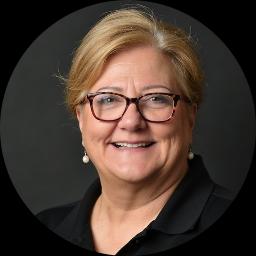




Bethany Maroney-Peterson
LMFT
California - 16yrs exp



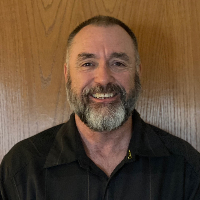
Dr. James Wood
LMFT
California - 34yrs exp




How DBT approaches gambling-related behavior
If gambling has become a pattern you want to change, Dialectical Behavior Therapy offers a structured, skills-focused path to greater control over urges and decisions. DBT was developed to help people who struggle with intense emotions and impulsive actions, and many therapists adapt its core skills to address problematic gambling. In practice you will work on increasing moment-to-moment awareness of urges with mindfulness, learning practical methods to tolerate distress without acting on impulses, applying emotion regulation strategies to reduce the intensity of cravings, and using interpersonal effectiveness to navigate relationships and financial conversations impacted by gambling.
The four DBT modules and how they map to gambling
Mindfulness helps you notice the specific thoughts, bodily sensations and triggers that precede a gambling episode. Rather than reacting automatically, you learn to observe urges and create a pause between impulse and action. Distress tolerance gives you methods to get through high-risk moments when urges feel overwhelming - techniques you can use in the moment to avoid immediate gambling. Emotion regulation helps you identify underlying emotional patterns that may drive gambling - boredom, loneliness, shame or excitement - and teaches skills to shift those states over time. Interpersonal effectiveness supports conversations about money, boundaries and trust so that relationships strained by gambling can be repaired and maintained while you practice change.
Finding DBT-trained help for gambling in California
When searching for a DBT therapist in California, look for clinicians who explicitly describe DBT training and experience working with behavioral addictions or impulse-control concerns. Many therapists in larger urban areas - including Los Angeles, San Francisco, San Diego, San Jose and Sacramento - offer DBT-informed treatment. You can narrow your search by checking whether a clinician provides both individual DBT sessions and skills groups, because the combination tends to offer the most comprehensive skill-building. Ask about clinician experience treating gambling specifically, whether they use behavioral analysis or diary cards to track urges and behaviors, and whether they coordinate with other supports such as financial counseling or peer support where appropriate.
What to expect from online DBT sessions for gambling
Online DBT formats are common in California and can make it easier to access specialized providers who understand gambling. Individual DBT sessions typically focus on target behaviors, using chain analysis to identify the sequence of events and emotions that lead to gambling. These sessions also give you a plan for practicing specific skills between appointments. Skills groups are a central element of DBT and offer a class-like setting where you learn and rehearse mindfulness, distress tolerance, emotion regulation and interpersonal effectiveness. Group work helps you see how others apply skills and offers structured practice without pressure.
Many DBT clinicians also offer coaching - phone or messaging support for moments when you are struggling to use skills in real life. Coaching is intended to help you apply a technique in the moment, to prevent a lapse from becoming a larger setback. When you attend online sessions, plan to be in a personal, quiet space with reliable internet and a device that supports video. Expect a combination of teaching, role-play and homework assignments such as logging urges or practicing a distress-tolerance skill. Good clinicians will explain how online groups operate, including expectations for participation and how group confidentiality is handled in a virtual setting.
Evidence and clinical perspective on DBT for gambling
Research and clinical practice have increasingly supported the use of DBT principles for behaviors characterized by impulsivity and emotional dysregulation. Clinicians in California adapt DBT to address the specific patterns that maintain gambling, such as reinforcement cycles and avoidance-based coping. While evidence continues to grow, many therapists report positive outcomes when DBT skills are integrated with targeted behavioral interventions and practical supports like financial planning and peer groups. If you are looking for evidence-informed care, ask prospective therapists how they measure progress and what outcomes they typically monitor - for example, frequency of gambling episodes, urges, emotional stability and quality of relationships.
Practical tips for choosing the right DBT therapist in California
Start by identifying what matters most to you - location, insurance coverage, evening availability or experience with certain populations. In metropolitan areas such as Los Angeles and San Francisco you may find a wider range of DBT specialists and programs, while smaller communities may offer clinicians who provide both DBT and adjunct supports. During an initial consultation ask whether the therapist delivers full-model DBT or DBT-informed care, whether they run or refer to skills groups, and how they structure coaching. Clarify practical questions about fees, insurance or sliding-scale options, and whether they offer online appointments if travel is a barrier.
Consider asking about cultural sensitivity and language offerings if that is important to your comfort and trust. You may also want to know how the therapist partners with other professionals, such as financial counselors or addiction specialists, because gambling concerns often intersect with financial or legal matters. A therapist who collaborates with a broader care team can help you create a realistic plan for both symptom management and life stabilization.
Navigating care in key California cities
Major cities in California offer different advantages when you look for DBT care. In Los Angeles you may find specialized programs and large-group formats that emphasize skills training. San Francisco and San Jose have clinicians who combine DBT with harm-reduction models and tech-friendly telehealth options. San Diego and Sacramento also feature experienced DBT practitioners who work with individuals and groups, and many clinicians across these regions provide evening groups to accommodate work schedules. If you live outside a large urban area, online DBT makes it easier to access skilled providers statewide.
Next steps and what to look for in early sessions
When you reach out to a therapist, a brief consultation call can help you get a sense of fit. Early sessions should include assessment of gambling behaviors, identification of immediate safety or financial concerns, and a discussion of goals - whether you aim for full abstinence, harm reduction or improved management of urges. A clear treatment plan that outlines the role of individual work, skills groups and coaching will help you know what to expect. Ask how progress is reviewed and how relapse or slip episodes are handled, because a practical, nonjudgmental relapse plan is a core part of DBT-informed care.
Pursuing DBT for gambling in California means engaging with a skills-based approach that teaches tools you can use daily. With the right match of training, experience and practical supports, DBT-trained clinicians can help you build alternatives to gambling, strengthen emotional regulation and improve relationships affected by gambling behavior. Use the listings above to contact clinicians in your area or to find online options that fit your schedule, and consider scheduling a consultation to learn more about how a DBT approach could support your goals.