Find a DBT Therapist for Eating Disorders in California
This page lists DBT clinicians across California who specialize in helping people with eating disorders using the Dialectical Behavior Therapy skills approach. Browse the practitioner profiles below to compare training, approach, and availability.
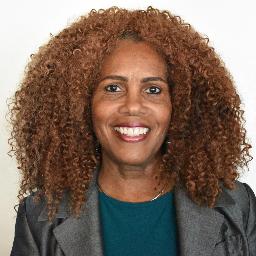


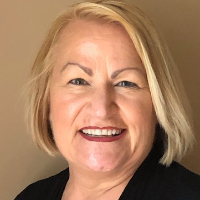
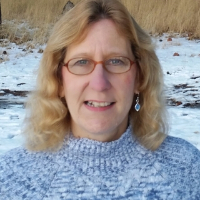
Xiaoying 'Sharon' Qi
LPCC
California - 7yrs exp









How DBT approaches eating disorders
If you are looking for a skills-based way to address disordered eating, DBT offers a structured framework that focuses on building practical abilities rather than only exploring past events. DBT organizes treatment around four core modules - mindfulness, distress tolerance, emotion regulation, and interpersonal effectiveness - and adapts these skills to the specific challenges that come with binge eating, purging, restriction, or other eating-related behaviors. Mindfulness helps you develop nonjudgmental awareness of hunger, fullness, and emotional triggers. Distress tolerance gives you strategies to ride out intense urges without acting on them. Emotion regulation teaches tools to reduce the intensity and duration of overwhelming feelings that often drive patterns of restriction or bingeing. Interpersonal effectiveness supports clearer communication about needs, boundary setting around meals and social situations, and negotiating support from family or partners.
What a DBT-informed treatment plan looks like for eating disorders
When DBT is adapted for eating disorders, clinicians usually combine targeted behavioral goals with the DBT skills modules. Early work often focuses on stabilizing behaviors that pose the most immediate risk to your wellbeing, then shifts toward building skills to prevent relapse and improve quality of life. You can expect the therapist to assess which behaviors interfere with daily functioning and then prioritize goals - for example addressing life-threatening weight loss, dangerous purging behaviors, or self-harm if present. Over time, the emphasis shifts to teaching and practicing skills that replace unhealthy coping patterns, while helping you apply those skills in real-world situations such as mealtime planning, social gatherings, or stressful work days.
How each DBT module supports recovery
Mindfulness helps you notice urges and bodily sensations linked to eating without immediately reacting. That awareness can create a pause between feeling and behavior. Distress tolerance offers short-term strategies to survive intense urges or emotional crises without resorting to eating disorder behaviors. Emotion regulation provides a longer-term toolkit for identifying emotions, understanding their functions, and reducing vulnerability to strong affect that triggers disordered eating. Interpersonal effectiveness focuses on the relational aspects of recovery - asking for what you need during meals, standing up for boundaries with family members, and building support systems that reinforce healthier patterns.
Finding DBT-trained help for eating disorders in California
California has a wide range of clinicians offering DBT-informed care, from community clinics to private practices and outpatient programs. In major metro areas like Los Angeles, San Francisco, and San Diego you are more likely to find clinicians who run both individual DBT and structured skills groups tailored to eating disorders. If you live outside a major city, many therapists in places such as San Jose or Sacramento offer telehealth appointments, which can expand your options. When searching for a provider, look for explicit DBT training, experience with eating disorder presentations, and a willingness to coordinate with medical and nutritional professionals when needed.
What to expect from online DBT sessions for eating disorders
Telehealth has become a common way to access DBT in California. Online DBT typically includes weekly individual therapy sessions that focus on applying DBT principles to your current difficulties, along with weekly or biweekly skills group sessions where you practice new techniques with others. Some clinicians offer on-call coaching between sessions to help you use skills during moments of crisis or intense urge. Group skills training can be especially valuable because it provides repeated practice and peer support for tasks like keeping regular meals, tolerating distress without bingeing, or role-playing difficult conversations. Your therapist should explain how they adapt homework, meal planning, and monitoring to a virtual format so you can continue progress from home.
Evidence and practical outcomes
Research and clinical experience indicate that DBT can be an effective framework for addressing certain eating disorder behaviors, particularly when interventions are tailored to the specific symptom profile. Studies and treatment programs have reported improvements in reductions of binge episodes and in the use of safer coping strategies when DBT skills are integrated into care. In California many outpatient programs combine DBT with medical monitoring and nutritional counseling to address both behavioral and physical aspects of eating disorders. While no single approach fits everyone, DBT's emphasis on skills-building, emotion management, and practical problem solving often makes it a strong option for people whose eating behaviors are closely tied to emotional distress or impulsivity.
Tips for choosing the right DBT therapist in California
When you contact a potential DBT therapist, ask about their specific training in DBT and whether they have experience applying DBT to eating disorders. Inquire if they offer a combination of individual sessions and skills groups, as both components are commonly recommended. Ask how they collaborate with medical providers and registered dietitians when medical monitoring, nutritional rehabilitation, or specialized meal planning is needed. Consider practical factors such as whether they offer telehealth, their availability for brief coaching between sessions, and which age groups they work with - adolescents and adults can have different needs. You may also want to learn how they address cultural factors and identity-related concerns during treatment, especially if you live in diverse communities such as Los Angeles or San Francisco.
Questions to ask during a consultation
Before committing to care, it can help to ask potential therapists how they adapt DBT skills to eating disorder behaviors, what a typical week of treatment looks like, and how progress is measured. You might ask whether they adhere to a treatment hierarchy that prioritizes safety and functioning, how they use skills coaching outside sessions, and what supports are recommended for family members or partners. If you are using insurance, ask about coverage for skills group sessions and whether the clinician can provide documentation for coordinated medical care. A short consultation call can give you a sense of fit - treatment works best when you feel heard and when the therapist's approach aligns with your goals.
Getting started in your community
If you are ready to begin, use the directory listings above to narrow options by location, availability, and specialty. If you live in larger urban centers you may have a wider selection of clinicians who run DBT groups focused on eating disorders. If you are outside those areas, telehealth expands access to skilled clinicians across California. Take time to compare profiles, read provider descriptions, and reach out with specific questions about how they apply DBT skills to eating disorder treatment. Taking that first step - reaching out for a consultation - can help you find a clinician who will support steady, skills-based progress in ways that fit your life and local resources.