Find a DBT Therapist for Domestic Violence in California
This page connects you with DBT clinicians throughout California who work with people affected by domestic violence, including survivors and those seeking to change harmful patterns. Browse the DBT-focused listings below to find therapists offering skills-based treatment and remote or in-person care.












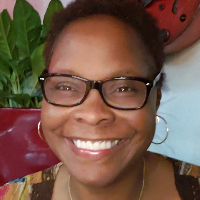
Trisha Taylor
LMFT
California - 14yrs exp




How DBT approaches domestic violence
Dialectical Behavior Therapy is a structured, skills-based approach that focuses on changing behavior through teaching and practicing concrete skills. When DBT is applied to domestic violence, therapists do not simply address incidents in isolation. Instead they help you understand the patterns that lead to harm - the triggers, thoughts, emotions, and interpersonal strategies that escalate conflict - and teach alternative ways to respond. The work centers on four core skill modules: mindfulness, distress tolerance, emotion regulation, and interpersonal effectiveness. Each module offers tools you can use in moments of high emotion and over the long term as you rebuild safer ways of relating.
Mindfulness cultivates steady attention to what is happening both inside and around you. That awareness creates space to notice early signs of escalation and to choose a different path. Distress tolerance gives you strategies to get through acute crises without making choices you will later regret. Emotion regulation helps you identify and modulate intense feelings that can fuel aggressive or reactive behavior. Interpersonal effectiveness shows you how to assert needs, negotiate conflict, and maintain relationships without resorting to coercion or harm. Together, these skills create a practical roadmap for reducing violent incidents and strengthening healthier interactions.
Finding DBT-trained help for domestic violence in California
When you look for a DBT specialist in California, consider both formal training and relevant clinical experience. Ask whether a therapist has completed recognized DBT training, whether they participate in consultation teams, and how long they have used DBT with people affected by domestic violence. Clinicians in larger metropolitan areas - for example Los Angeles, San Francisco, San Diego, San Jose, and Sacramento - may have more program options, including specialized groups and multidisciplinary teams. Smaller communities may offer experienced practitioners who provide personalized care and strong local resource connections.
It is also useful to clarify whether a therapist works primarily with survivors, with people who have used violence, or with both. Some DBT clinicians adapt standard DBT to focus on accountability, behavior change, and reparation for those seeking to stop using violence. Others tailor DBT to emphasize recovery, safety planning, and trauma-informed support for survivors. If language access, cultural competence, or coordination with legal or social services matters to you, ask about those capabilities up front so you can find a match that fits your needs.
What to expect from online DBT sessions for domestic violence
Individual therapy
Individual DBT sessions typically combine behavior analysis with skills coaching and goal setting. In remote sessions you will work with a therapist to map behavioral chains - the sequence of events and thoughts that lead to an incident - and to design alternative responses using DBT skills. This process helps you identify high-risk situations and build a concrete plan for responding differently. Therapists often integrate trauma-informed practices and will discuss safety planning, including steps to reduce immediate risk and connections to local supports.
Skills groups
DBT skills groups are a core component of treatment and can be offered online or in person. In a group setting you will learn the four modules in a structured way and practice skills with peers. Groups provide a place to rehearse new behaviors, receive coaching on specific challenges, and see how interpersonal effectiveness techniques work in real time. If you are seeking change after using violence, group learning can reinforce accountability and teach alternatives to escalation. If you are a survivor, groups can help you strengthen emotion regulation and boundary-setting in relationships.
Between-session coaching
Many DBT programs include coaching between sessions to help you apply skills during difficult moments. Online coaching may take the form of scheduled check-ins or brief messaging, depending on the clinician's practice. Before beginning remote work, discuss how coaching is offered, expected response times, and boundaries for contact. Also make a plan about how to handle an acute emergency - for instance by calling emergency services or local crisis lines - because remote care has limits when immediate help is needed.
Evidence and local adaptations
DBT was developed to address patterns of intense emotion and impulsive behavior, and clinicians have adapted its methods to address aggressive and violent behaviors in relationships. Research and clinical practice indicate that skills training focused on emotion regulation and interpersonal effectiveness can reduce impulsive harm and improve communication. In California, many providers tailor DBT to local populations by integrating cultural considerations, language access, and partnerships with domestic violence advocacy programs. These adaptations aim to make skills more relevant to diverse communities, whether you live in an urban center like Los Angeles or San Francisco or in suburban or rural parts of the state.
Programs that combine individual DBT, skills groups, and community resources tend to offer the most comprehensive support. If legal, housing, or child welfare systems are involved in your situation, look for therapists who have experience coordinating with these agencies and who can help you navigate overlapping requirements while maintaining a focus on skills and behavior change.
Choosing the right DBT therapist for domestic violence in California
Finding the right clinician involves more than a listing. Prepare a few questions for an initial consultation so you can assess fit. Ask about the therapist's DBT training and whether they work with a consultation team. Ask how they adapt DBT for domestic violence and whether they have experience with survivors, with people who have used violence, or with both. Discuss whether they offer individual sessions, skills groups, and between-session coaching, and how those services are delivered online or in person.
Consider practical matters as well. Confirm language options, scheduling flexibility, and whether the therapist works with your insurer or offers sliding-scale fees. If you are looking for in-person care, note whether they practice near major hubs like San Diego, San Jose, or Sacramento for easier travel. If you are seeking remote care, plan to join sessions from a private space when possible and to discuss safety measures with your clinician, including local supports you can contact in an emergency. Trust and accountability matter - you should feel heard and believe the therapist can help you use DBT skills to reduce harm and improve relationships.
Finally, remember that change usually takes time. DBT emphasizes incremental progress - learning a new skill, applying it in a difficult situation, and refining your approach. It is normal to try multiple clinicians before finding the best fit. Reaching out to several providers, asking clear questions, and choosing someone who demonstrates both DBT competence and an understanding of domestic violence dynamics can help you move toward safer and more effective patterns.
Next steps
Use the listings above to identify DBT clinicians in your area or those who offer telehealth across California. Contact a few providers to discuss their DBT approach and how they address domestic violence concerns. Whether you live in Los Angeles, San Francisco, San Diego, San Jose, Sacramento, or elsewhere in the state, informed questions and a focus on skill-building can help you find care that aligns with your goals for safety, behavior change, and healthier relationships.