Find a DBT Therapist for Dissociation in California
This page features DBT clinicians across California who focus on treating dissociation through a skills-based approach. Review profiles below to compare practices, service formats, and therapist availability for DBT treatment in your area.




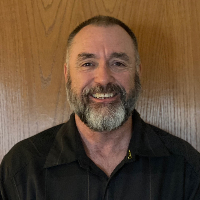




Lisa Lucius
LMFT
California - 10yrs exp




Erin Haentjens
LMFT
California - 8yrs exp











How DBT specifically addresses dissociation
If dissociation shows up for you as zoning out, feeling disconnected from your body or surroundings, or having gaps in memory, DBT offers a practical, skills-based way to increase presence and stability. DBT organizes treatment around four core skill modules - mindfulness, distress tolerance, emotion regulation, and interpersonal effectiveness - and each of these plays a role in reducing dissociative responding. Mindfulness builds the capacity to notice internal experience in the present moment, which helps interrupt automatic drifting away. Distress tolerance supplies short-term strategies to get through intense moments without resorting to dissociation. Emotion regulation teaches how emotions arise and how to reduce their intensity so that overwhelming affect is less likely to trigger dissociative reactions. Interpersonal effectiveness supports clearer communication and boundary-setting, which can lower relational stress that sometimes precedes dissociative episodes.
Mindfulness and grounding techniques
Mindfulness training in DBT emphasizes simple, repeatable practices that you can use in daily life to reorient to your body and surroundings. Grounding exercises are often woven into mindfulness work to help you notice breath, physical sensations, sounds, or objects in the room. Over time, regular practice can make these skills more automatic so that when dissociation begins to occur, there are familiar tools available to help bring awareness back to the present.
Distress tolerance during dissociative moments
Distress tolerance skills are designed for moments when emotion or overwhelm feels unbearable and immediate change is unlikely. For dissociation this can mean using short grounding rituals, sensory stimulation, or distraction strategies to maintain contact with the environment until the acute period passes. DBT teaches structured ways to plan for crisis moments, which helps you have a dependable set of responses rather than relying on what feels easiest in the moment.
Emotion regulation and interpersonal effectiveness
Emotion regulation addresses the longer-term patterns that make dissociation more likely by helping you understand triggers, build new coping repertoires, and reduce vulnerability to intense emotional swings. Interpersonal effectiveness supports recovery by improving relationships and reducing conflict, which can in turn lower the frequency of situations that precipitate dissociation. Together these modules help you build a more resilient day-to-day life so dissociation occurs less often and is easier to manage when it does.
Finding DBT-trained help for dissociation in California
Searching for a therapist who both specializes in DBT and has experience with dissociation will increase the chances of finding a good clinical fit. In California you will find practitioners offering DBT-informed care in a variety of settings - outpatient clinics, private practices, community mental health centers, and telehealth services that reach beyond metropolitan areas. Major urban centers such as Los Angeles, San Francisco, and San Diego tend to have larger numbers of DBT programs and practitioners, but many clinicians across the state offer online sessions that make specialized care accessible even if you live outside a major city. When reviewing profiles, look for explicit mention of DBT training, experience working with dissociation or trauma-related reactions, and descriptions of the treatment format they use.
What to expect from online DBT sessions for dissociation
Online DBT for dissociation typically combines three elements - individual therapy, skills groups, and between-session coaching. Individual therapy is where you and the therapist work on case formulation, behavioral targets, and applying DBT strategies to your personal history and goals. Skills groups are a chance to learn and practice the core modules - mindfulness, distress tolerance, emotion regulation, and interpersonal effectiveness - in a structured group setting. Coaching provides brief support between sessions to help you apply skills in real time when dissociation or intense emotions arise. Together these components create a comprehensive structure: the individual work addresses personal patterns, groups teach and reinforce skills, and coaching helps with real-world application.
For online delivery, expect attention to safety and pacing. Therapists will often begin with a review of technology needs, a discussion of how to handle dissociative episodes during a remote session, and an agreed-upon plan for reaching out if an emergency arises. Many clinicians adapt grounding and sensory-based practices for video sessions, guiding you through exercises that can be done in your chair or standing up. If in-person options are important, you can look for clinicians who offer both remote and office-based appointments in California cities such as San Jose or Sacramento.
Evidence and clinical considerations for DBT and dissociation
Research on DBT has shown effectiveness for problems involving emotion dysregulation and self-harm, and clinicians have adapted DBT for use with dissociation and complex trauma presentations. Clinical literature and practice-based evidence support the use of DBT skills to reduce reactive coping and improve functioning, which can indirectly reduce dissociative episodes. In California, many therapists integrate DBT with trauma-informed approaches and tailor pacing to account for dissociative symptoms. When exploring evidence, consider both formal research and clinician reports about adaptations - the best approach typically blends a structured DBT framework with careful attention to safety and stabilization.
Tips for choosing the right DBT therapist for dissociation in California
Choosing a therapist is a personal decision that balances clinical qualifications with interpersonal fit. When you contact a potential DBT clinician, ask about their training in DBT and specific experience working with dissociation or trauma-related symptoms. Inquire how they adapt DBT skills for dissociation, whether they offer skills groups and coaching, and how they coordinate safety planning for remote or in-person sessions. Practical details matter as well - check availability for daytime or evening appointments, whether sessions are offered online or in the office, and whether the clinician practices in cities you might prefer such as Los Angeles, San Francisco, or San Diego. It is reasonable to request a brief consultation or intake call to get a sense of approach and rapport before committing to ongoing therapy.
Making the most of DBT treatment for dissociation
DBT relies on consistent skill practice and collaboration. To get the most from treatment, plan to engage actively in skills learning and daily practice. Keeping a diary card or simple tracking system can help you and your therapist notice patterns that contribute to dissociative episodes. Be open about what works and what does not - DBT therapists expect to make adjustments, whether that means changing the pace of skills training, introducing more sensory-based grounding, or focusing on safety planning. If barriers arise - scheduling conflicts, transportation issues, or difficulty accessing a group - discuss alternatives with your clinician, including telehealth options or community-based supports within California.
Putting it together in your area
Whether you are located in a dense urban center or a smaller community, DBT can be adapted to meet needs related to dissociation. Cities like Los Angeles and San Francisco host a range of DBT programs, and practitioners in San Diego, San Jose, and Sacramento often combine in-person and telehealth services to increase access. Use the listings on this page to narrow choices, contact clinicians with specific questions about dissociation-focused work, and request initial consultations to assess fit. With an emphasis on skills practice and collaborative planning, DBT offers a structured path toward greater presence and coping flexibility when dissociation is part of your experience.