Find a DBT Therapist for Depression in California
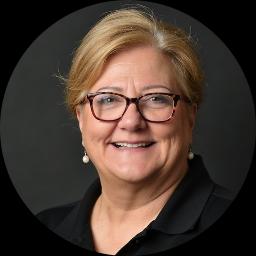
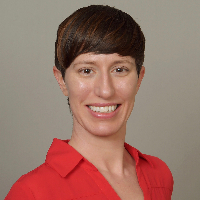
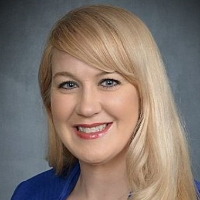
This page lists therapists in California who use Dialectical Behavior Therapy (DBT) to support people facing depression. Use the DBT-focused profiles below to compare clinicians, locations, and treatment approaches, then browse listings to find a match.

















How DBT Approaches Depression
Dialectical Behavior Therapy is a skills-based form of therapy that teaches practical strategies you can use day to day. When you are dealing with depression, the DBT framework shifts focus from only exploring causes to building capacities that reduce suffering and increase functioning. Rather than emphasizing a single technique, DBT combines mindfulness to increase present-moment awareness, distress tolerance to get through acute overwhelm, emotion regulation to reduce intense or chronic low mood, and interpersonal effectiveness to improve relationships that often influence depressive cycles.
Mindfulness helps you notice thoughts and feelings without getting pulled into them, which can reduce rumination. Distress tolerance gives you short-term strategies to manage intense emotional pain so you can avoid impulsive actions that make things worse. Emotion regulation targets patterns that keep mood low by helping you identify, label, and modify emotional responses. Interpersonal effectiveness helps with the relationship problems that frequently contribute to depression - for example, improving communication, setting boundaries, and rebuilding social supports.
What a Skills-Based DBT Program Looks Like for Depression
DBT for depression typically blends individual therapy with skills training. In individual sessions you and your therapist will identify treatment targets and apply DBT strategies to the patterns that maintain depressive symptoms. Skills training usually occurs in a group format where you learn and practice the four DBT modules - mindfulness, distress tolerance, emotion regulation, and interpersonal effectiveness - with guided instruction and exercises. Many programs also offer between-session coaching to help you apply skills in real-world moments when you feel stuck or overwhelmed.
The combination of personalized case formulation and repeated skills practice helps you build new habits. You can expect concrete homework assignments, behavioral experiments, and measurement of progress over time. Programs vary in length and intensity, but the emphasis is on equipping you with tools that change how you respond to triggers and setbacks, rather than simply talking through them once.
Finding DBT-Trained Help in California
When searching for DBT help in California, look for clinicians who explicitly describe DBT training and experience with mood concerns. Many therapists in cities such as Los Angeles, San Francisco, and San Diego offer DBT-oriented services, and you can find clinicians working in community clinics, private practices, and academic settings. Some DBT clinicians are focused on standard comprehensive DBT, which includes individual therapy, skills groups, and coaching, while others adapt DBT skills modules for shorter-term treatment that targets depressive symptoms. You can use professional directories to filter by DBT training, group offerings, and telehealth availability.
Licensing frameworks mean that clinicians in California are regulated and you can verify credentials through state boards. When you find potential therapists, review their profiles for specific training in DBT skill modules, experience treating mood disorders, and whether they lead or co-lead skills groups. If language or cultural competence is important to you, check for clinicians who list experience with diverse communities or offer services in other languages, especially in multicultural urban centers like San Jose and Sacramento.
What to Expect from Online DBT Sessions for Depression
Online DBT has become a common option across California and can make it easier to attend regular sessions if you live in a rural area or have scheduling constraints. In telehealth formats you can participate in individual therapy and skills groups through video sessions. Online skills groups often use the same curriculum as in-person groups, with interactive teaching, group discussion, and guided practice. Some therapists also offer coaching via phone or messaging during high-intensity moments so you can get in-the-moment guidance as you try new skills.
If you choose online DBT, expect an initial intake to assess fit and determine whether comprehensive DBT or a skills-focused approach is most appropriate for your needs. Group etiquette and technology checks are typically reviewed at the start, and clinicians will outline how they measure progress. You should also ask about how crisis situations are handled, what hours coaching is available, and whether the therapist coordinates care with other providers in California when needed. Telehealth allowances mean many clinicians in Los Angeles, San Francisco, and San Diego can offer flexible scheduling that fits work and family responsibilities.
Evidence and Clinical Support for DBT and Depression
DBT was originally developed for borderline personality features and suicidal behavior, but clinicians and researchers have adapted the skills-based model to address depressive symptoms because of its emphasis on emotion regulation and behavioral activation. Research and clinical experience suggest that DBT skills training can reduce depressive symptoms by improving coping, reducing impulsive reactions, and strengthening connections with others. In clinical practice across California, providers often integrate DBT skills into broader treatment plans for mood disorders, especially when depressive episodes are accompanied by high emotional reactivity or self-harm risk.
While research continues to evolve, many treatment centers and mental health professionals recommend DBT skills as a useful component for people whose depression is maintained by patterns of avoidance, interpersonal conflict, or emotional intensity. You can look for clinicians who reference outcome measures or who regularly monitor symptoms to understand how DBT is affecting mood over time. Discussing research and expected outcomes during an initial consultation can help you set realistic goals and partner with a therapist who shares your priorities.
Tips for Choosing the Right DBT Therapist in California
Choosing a DBT therapist is a personal process and you should feel comfortable asking questions before you commit. Start by asking about specific DBT training - for example, whether the clinician has formal training in the DBT modules, leads skills groups, or participates in DBT consultation teams. Ask how they adapt DBT when the primary concern is depression and what proportion of their work is skills training versus reflective therapy. Inquire about practical details such as session frequency, expected program length, group schedules, insurance or billing options, and whether they offer telehealth across California.
Consider whether you prefer a therapist who practices comprehensive DBT or one who emphasizes targeted DBT skills integrated with other evidence-based strategies. It is reasonable to request an initial consultation to get a sense of style and rapport - good fit matters because DBT involves repeated practice and willingness to try new behaviors. Also ask how the clinician measures progress and how often they reassess goals so you can see whether symptoms are changing and when adjustments are advisable.
Geography can matter if you want in-person sessions. Los Angeles and San Francisco have large DBT communities with many group options, while San Diego, San Jose, and Sacramento also offer experienced clinicians and programs. If in-person groups are limited where you live, online offerings can expand your choices and connect you with instructors who specialize in depressive symptoms. Finally, consider logistical factors such as session times, sliding scale availability, and language needs so you can sustain consistent participation in the DBT program you choose.
Next Steps
When you are ready, browse the DBT-focused therapist profiles on this page to compare clinicians by training, services offered, and location. Reach out for an initial conversation to learn how a particular therapist would apply DBT skills to your depression. With clear information about structure, expectations, and how progress will be tracked, you can make an informed choice about the DBT path that fits your life in California.