Find a DBT Therapist in California
Welcome to the California page for DBT therapists. All clinicians listed here are licensed and trained in dialectical behavior therapy. Explore profiles to compare approaches and find a therapist who fits your needs.


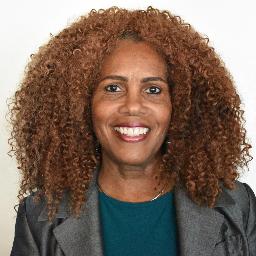














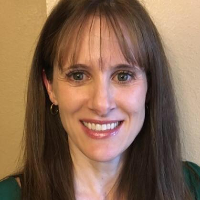

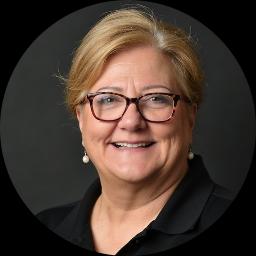




DBT therapy availability across California
Dialectical behavior therapy has become widely available throughout California, and online options have expanded access to trained clinicians across the state. Whether you live in a dense urban center or in a more rural county, you can often find therapists who specialize in DBT and who offer remote appointments. Many practitioners combine individual DBT, skills training groups, brief coaching between sessions, and participation in consultation teams. The variety of formats allows you to look for a therapist whose training and treatment structure match the goals you want to address.
Benefits of online DBT for California residents
Choosing online DBT can remove geographic barriers so you can work with a clinician who best fits your needs rather than one who is simply nearby. Online sessions let you maintain continuity of care if you travel within the state or move between regions. For many people, remote appointments reduce commuting time and allow scheduling after work hours. Online format can also make it easier to attend DBT skills groups that might not be offered locally. You can create a comfortable environment in your home or other personal space for sessions and practice skills in the context where you live, which often helps with applying skills to daily challenges.
Common concerns and situations DBT therapists address
DBT-trained therapists work with a range of conditions where emotion dysregulation is central. You may seek DBT for persistent difficulty managing intense emotions, patterns of self-harm or suicidal thoughts, chronic relationship conflicts, or behaviors that feel out of control. Many people with personality disorders, especially borderline personality features, find DBT helpful because it focuses on stabilizing emotion and building practical coping skills. Therapists also apply DBT approaches when addressing co-occurring concerns such as substance use, trauma-related difficulties, anxiety, and mood instability. The emphasis is on balanced strategies - acceptance of emotional experience plus active skill-building that reduces harmful behaviors and improves how you relate to others.
How DBT skills training translates to an online format
Mindfulness
Mindfulness in DBT teaches present-moment awareness and nonjudgmental observation of thoughts and feelings. In online sessions you can practice guided mindfulness exercises with your therapist, and you can learn to integrate short practices into daily routines. Therapists will often assign brief in-between-session exercises that you can practice where you live, helping the skill generalize from the therapy hour to real life.
Distress tolerance
Distress tolerance skills are designed to help you survive crises without making the situation worse. Online DBT can teach concrete distress tolerance strategies through demonstration and role-play adapted for video sessions. Your therapist can coach you through using a skill when you are at home, and you can follow up about how techniques worked in the moments you used them.
Emotion regulation
Emotion regulation training provides tools to identify triggers, reduce vulnerability to intense emotions, and change emotional responses over time. In remote therapy you can work with your clinician to track patterns using digital logs or worksheets and to test new behavioral experiments between sessions. Online formats make it easier to review recorded notes or worksheets together and to use screen-sharing to learn and practice strategies in real time.
Interpersonal effectiveness
Interpersonal effectiveness targets communication, relationship boundaries, and getting needs met without damaging relationships. Online DBT therapists often role-play conversations via video and help you craft scripts or practice assertive language. Because many interpersonal challenges happen outside the therapy hour, remote work allows you to apply skills in natural contexts and then return to therapy to process outcomes and refine approaches.
Verifying a therapist's license in California
When you are looking for a DBT-trained therapist, it is important to confirm licensure so you know the clinician is authorized to practice in California. Several state agencies maintain online license lookup tools. The California Board of Behavioral Sciences handles license information for marriage and family therapists, licensed clinical social workers, and licensed professional clinical counselors. The California Board of Psychology provides license verification for psychologists. Physicians, including psychiatrists, are licensed through the Medical Board of California. You can search by name or license number to check current status, expiration date, and whether any disciplinary action is listed. If you are unsure about a listing, ask the therapist directly for their license number and the board that issued it, then verify that information on the appropriate state website.
Practical tips for choosing the right DBT therapist in California
Start by clarifying your goals for therapy - whether you want help stabilizing intense emotions, reducing self-harm, learning skills to manage panic or anger, or improving relationships. Look for clinicians who explicitly state DBT training and who describe how they structure treatment. Many DBT-trained providers will offer a combination of individual therapy and a separate skills training group; ask whether both are available and how groups are run online. Inquire about the therapist's training path in DBT, including workshops, supervised consultation teams, or certifications, and ask how long they have been using DBT in practice. Experience with issues similar to yours - such as working with adolescents, trauma, or co-occurring substance use - can be important depending on your needs.
Also consider logistics and fit. Confirm whether the clinician accepts your insurance or offers a sliding scale, how cancellations and rescheduling are handled, and what platform they use for remote sessions. Ask about crisis planning and what steps they take if you need urgent help between sessions. During an initial consultation pay attention to how they explain DBT concepts- do they outline a clear plan for treatment and for teaching the four skill modules? Feeling heard and understood in that first contact can be a strong indicator of therapeutic fit.
Making the most of online DBT
To get the most from remote DBT work, prepare a comfortable setting where you can speak freely and practice skills without interruption. Use headphones if helpful, and make sure your internet connection and device are reliable. Keep a journal or log of skill practice and emotional patterns to bring to sessions; this helps you and your therapist track progress and tailor interventions. If you join an online skills group, commit to attending regularly and to doing the between-session practice that strengthens learning. Real improvement often comes from consistent practice combined with individual coaching tailored to your life.
Finding a match
Choosing a DBT therapist is a personal process that combines practical considerations with relational fit. Take advantage of profile details and introductory calls to learn about training, treatment structure, and how the clinician measures progress. With the expansion of online DBT across California you have opportunities to connect with therapists who specialize in the specific skills and populations that matter to you. By verifying licensure, asking focused questions, and considering how the therapist structures DBT in an online format, you can make an informed choice and begin work toward better regulation of emotions and more effective relationships.
Browse Specialties in California
Mental Health Conditions (29 have therapists)
Addictions
179 therapists
ADHD
137 therapists
Anger
197 therapists
Bipolar
147 therapists
Depression
314 therapists
Disruptive Mood Dysregulation Disorder (DMDD)
52 therapists
Dissociation
44 therapists
Domestic Violence
101 therapists
Eating Disorders
81 therapists
Gambling
64 therapists
Grief
220 therapists
Guilt and Shame
265 therapists
Impulsivity
170 therapists
Isolation / Loneliness
235 therapists
Mood Disorders
209 therapists
OCD
79 therapists
Panic Disorder and Panic Attacks
179 therapists
Personality Disorders
87 therapists
Post-Traumatic Stress
225 therapists
Postpartum Depression
90 therapists
Seasonal Affective Disorder (SAD)
102 therapists
Self Esteem
305 therapists
Self-Harm
103 therapists
Sexual Trauma
96 therapists
Sleeping Disorders
91 therapists
Smoking
24 therapists
Social Anxiety and Phobia
241 therapists
Stress & Anxiety
355 therapists
Trauma and Abuse
268 therapists