Find a DBT Therapist for Relationship in Arizona
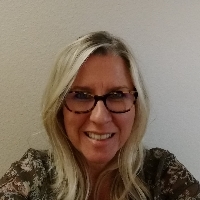
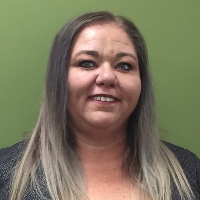
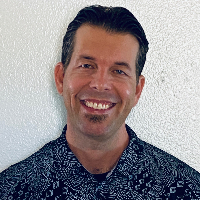
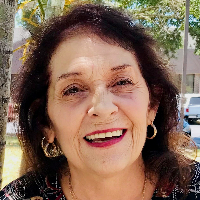
On this page you will find DBT-trained therapists in Arizona who specialize in relationship concerns, from early dating conflicts to long-term partnership patterns. Each listing highlights DBT approaches - including mindfulness, emotion regulation, distress tolerance, and interpersonal effectiveness - to support healthier connections. Browse the profiles below to find a clinician near Phoenix, Tucson, Mesa, Scottsdale, or Chandler.



















How DBT specifically addresses relationship struggles
Dialectical Behavior Therapy, or DBT, is a skills-based approach that focuses on helping you respond differently to strong emotions and interpersonal stressors. When relationship patterns create repeated conflict, distance, or cycles of reactivity, DBT gives you tools to notice what is happening in the moment and to act in ways that reflect your values rather than your impulses. That focus makes it well suited to work on the core dynamics that often drive relationship difficulty - strong emotional reactions, difficulties calming yourself in crisis, and challenges asserting needs while maintaining connection.
The four DBT skill modules and your relationships
DBT is organized around four core skills modules that map directly onto common relationship needs. Mindfulness trains you to observe your thoughts, emotions, and physical cues without immediately reacting. That awareness can interrupt automatic patterns like shutting down or lashing out. Distress tolerance gives you tools to tolerate painful moments - a heated argument, a painful memory, or a sudden fear of abandonment - so that you can avoid escalation and make space for a more intentional response. Emotion regulation teaches you how to reduce vulnerability to extreme emotions and build positive emotional experiences so interactions feel less volatile. Interpersonal effectiveness focuses on getting your needs met while keeping relationships intact - skills for asking clearly, saying no, setting limits, and negotiating repair after conflict. Together these modules help you change both how you feel and how you act in relationships.
Finding DBT-trained help for relationship issues in Arizona
When you look for DBT therapists in Arizona, you will encounter clinicians who offer DBT-informed individual therapy, skills training groups, and coaching. Some clinicians have formal DBT certification while others integrate DBT skills into a broader treatment approach. In urban centers like Phoenix, Tucson, Mesa, Scottsdale, and Chandler you are more likely to find formal DBT programs and group options. In smaller communities clinicians may still offer targeted DBT work for relationships even if a full program is not available locally.
Begin by identifying therapists who list DBT and relationship work in their profiles. Look for language about skills training, interpersonal effectiveness, and emotion regulation. Many listings will note whether the therapist provides couple-focused DBT work, individual DBT with relationship goals, or DBT skills groups that welcome people looking to improve their interactions. If a listing mentions experience with attachment patterns, conflict management, or communication training within a DBT framework, that is a sign the clinician directs their DBT work toward relationship concerns.
What to expect from online DBT sessions for relationship work
Online DBT can be a practical option if you live in different parts of Arizona or have scheduling constraints. You can expect a mix of individual therapy sessions, skills group meetings, and coaching outside session times to apply skills in real life. Individual sessions focus on your specific relationship goals and on using behavioral analysis to identify the patterns that keep problems recurring. Your therapist will help you set targets, prioritize what to work on, and practice new responses during sessions.
Skills groups teach the four DBT modules in a structured way and give you a chance to practice with others who are working on similar issues. These groups often include role plays and exercises that mirror common relationship scenarios so you can rehearse interpersonal effectiveness skills in a supportive setting. Coaching is usually available between sessions so you can get guidance when a real-time interaction is happening - for example, preparing for a difficult conversation or calming down after an argument. Online coaching may be offered by therapists or by a program team and is intended to help you translate skills into everyday moments.
If you live in Phoenix, Tucson, or Mesa you might find both in-person and online hybrid options. Hybrid models can be especially useful when you want the practice and connection of a group along with the convenience of virtual check-ins. When exploring online options, ask how the therapist structures group participation, how coaching is provided, and what technology or privacy practices they use to support sessions that focus on sometimes sensitive relationship material. You should feel comfortable asking how the clinician manages boundaries and accessibility during crisis moments so you can plan for safety and steady care.
Evidence and practical outcomes for DBT applied to relationships
There is a growing body of research showing that DBT's skills-based training improves emotion regulation, reduces impulsive or harmful behaviors, and strengthens interpersonal functioning. While much of the research has focused on populations with high emotional reactivity, many clinicians find the skill modules translate directly to relationship goals - improved communication, fewer escalations, and better repair after conflict. In Arizona, therapists who adapt DBT for relationship work draw on these evidence-based elements to structure treatment around clear behavioral targets, measurable skill practice, and collaborative problem solving.
What this means for you is that DBT offers practical, teachable steps that can change the way interactions unfold. Rather than relying on insight alone, DBT emphasizes concrete skill development, repetition, and coaching so new patterns can replace old ones. That pragmatic orientation tends to appeal to people who want tools they can use right away in conversations with partners, family members, or friends.
Choosing the right DBT therapist for relationship work in Arizona
When selecting a DBT therapist, consider how they describe their work with relationships. Ask whether they offer DBT skills groups and how they incorporate interpersonal effectiveness into individual sessions. You may prefer a clinician who has experience working with couples or with the specific relationship dynamic you face - for example, high conflict, attachment anxiety, or patterns shaped by past trauma. If group practice is important to you, check whether groups meet in person in cities like Phoenix or Tucson, or whether they run virtually to include people across Arizona.
Think about the therapist's style and how it fits your needs. Some clinicians emphasize skills rehearsal and behavioral homework, while others blend DBT skills with relational interventions that focus on patterns between partners. Ask about session structure, typical duration of treatment, and how progress is measured. Inquire about availability for between-session coaching and how emergencies are handled. You may also want to ask about fees, insurance options, and whether open group formats or closed cohorts are offered - these practical considerations will affect how well a program suits your life.
Finally, trust your sense of rapport. Effective treatment for relationship work often requires discussing emotionally charged topics and practicing new ways of interacting. You should feel understood and respected by the clinician and confident that they will help you apply DBT skills in the contexts that matter most to you. If you live near Mesa, Scottsdale, Chandler, or other Arizona communities, consider scheduling an initial consultation to get a sense of fit before committing to a longer course of work.
Next steps
Start by browsing the listings on this page and read therapist profiles for details about DBT experience and approaches to relationship work. Reach out with specific questions about skills groups, online or in-person options, and how interpersonal effectiveness training is integrated into treatment. With focused DBT support you can practice new ways of relating, reduce cycles of reactivity, and build interactions that reflect your intentions and values.
Whether you are in Phoenix, Tucson, Mesa, Scottsdale, Chandler, or another Arizona community, there are DBT clinicians who tailor skill-focused treatment to relationship goals. Use the profiles below to find a provider who matches your needs and to take the next step toward calmer, more effective interactions.