Find a DBT Therapist for Trauma and Abuse in Alabama
This page highlights DBT-trained clinicians across Alabama who specialize in treating trauma and abuse. Listings focus on a skills-based DBT approach built around mindfulness, distress tolerance, emotion regulation, and interpersonal effectiveness. Use the directory below to explore therapists in Birmingham, Montgomery, Huntsville and other communities.




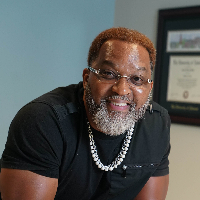
Gwendolyn Downing
LPC
Alabama - 41yrs exp














How DBT addresses trauma and abuse
If you have experienced trauma or abuse, DBT offers a structured way to rebuild day-to-day coping and manage intense emotional reactions. Dialectical Behavior Therapy is skills-based, so treatment emphasizes practical abilities you can use right away. Mindfulness helps you notice triggers and bodily responses without being swept away by them. Distress tolerance gives you techniques to get through acute crises without making decisions you might regret. Emotion regulation teaches ways to identify, label, and change intense emotional states that often follow traumatic experiences. Interpersonal effectiveness helps you set boundaries, communicate needs, and restore trust in relationships after harm.
These modules work together. For example, mindfulness and emotion regulation can reduce the intensity of flashbacks or sudden panic, while distress tolerance provides ways to cope in the moment. Interpersonal effectiveness supports rebuilding relationships or navigating systems such as medical or legal services. Because DBT blends skills training with individual work and coaching, it is especially useful when trauma has led to a pattern of self-harm, chronic dysregulation, or repeated relationship difficulties.
Finding DBT-trained help for trauma and abuse in Alabama
When you search for a DBT therapist in Alabama, look for clinicians who explicitly list DBT training and experience treating trauma and abuse. Many practitioners in urban centers such as Birmingham, Montgomery, and Huntsville offer DBT-informed care, but you can also find skilled providers in smaller cities like Mobile and Tuscaloosa. Therapy directories and local mental health organizations often allow you to filter by DBT specialization and treatment focus, which helps narrow options to those who prioritize the DBT skill modules and use them in trauma work.
Consider practical factors such as whether the clinician offers individual DBT, skills groups, or coaching between sessions. Some providers combine DBT with trauma-focused approaches, applying the DBT skills to stabilize symptoms before addressing traumatic memories. If you need evening or weekend options, check clinicians serving major Alabama metro areas where scheduling tends to be more flexible. You can also contact clinics to ask about group schedules, waitlists, and insurance or sliding scale options to make care more accessible.
Credentials and training to look for
DBT is a specialized treatment, so it helps to ask about formal DBT training, consultation team participation, and experience with trauma and abuse. Therapists may hold licenses such as LCSW, LPC, LMFT, or clinical psychology degrees, and additional DBT certification or ongoing consultation indicates that they are applying the model consistently. When trauma is part of the clinical picture, inquire about the clinician's comfort with trauma-focused work and their approach to safety, stabilization, and gradual processing of traumatic memories.
What to expect from online DBT sessions for trauma and abuse
Online DBT in Alabama can be an effective way to access specialized care if local options are limited or if you prefer remote sessions. Typical DBT programming includes three elements - individual therapy, skills training groups, and between-session coaching. In individual sessions you and your therapist will identify treatment targets, apply DBT strategies to current problems, and work on safety planning and emotional stability. Skills groups provide systematic teaching of mindfulness, distress tolerance, emotion regulation, and interpersonal effectiveness so you can practice in a group setting. Coaching is often available between sessions for support when a skill is needed in a real-life moment.
During online sessions, expect the therapist to adapt exercises for telehealth - for instance, mindfulness practices led over video and in-session role plays for interpersonal skills. Group skills training can run live through video platforms that allow interaction, and some groups may supplement live meetings with emailed handouts or practice assignments. If you plan to attend online DBT from Alabama, check whether your provider offers HIPAA-compliant telehealth, clear safety protocols, and local emergency planning in case you need in-person help. Confirm licensure across state lines if you are connecting from outside Alabama, and ask how the clinician coordinates with local supports when necessary.
Evidence and outcomes for DBT in trauma and abuse
Research and clinical practice have shown that DBT reduces behaviors driven by overwhelming emotion and improves skills for managing distress, which is often central to trauma recovery. While trauma treatment can take many forms, DBT's emphasis on emotion regulation and distress tolerance addresses core difficulties that maintain trauma-related problems. Clinicians in Alabama frequently integrate DBT skills into trauma-focused care to help people first stabilize and then engage in trauma processing if appropriate.
Outcomes you might notice include fewer crisis behaviors, improved ability to tolerate distressing memories or triggers, more consistent use of emotion regulation strategies, and greater confidence in handling interpersonal challenges. Effectiveness depends on the fit between your needs and the therapist's approach, the intensity and duration of treatment, and your consistent practice of DBT skills between sessions.
Tips for choosing the right DBT therapist in Alabama
Start by clarifying what you need now - immediate skills to manage crisis, a longer DBT program with group training, or combined DBT and trauma processing. Ask potential therapists how they apply DBT to trauma and abuse, whether they offer skills groups, and how they handle safety and risk. Inquire about training, consultation team involvement, and experience with clients who have similar backgrounds. It is reasonable to ask for a brief phone consultation to get a sense of the therapist's style and whether you feel comfortable with their approach.
Location and logistics matter. If you live near Birmingham, Montgomery, Huntsville, Mobile, or Tuscaloosa you may have more in-person group options. If travel is a barrier, look for clinicians offering online skills groups and individual sessions. Check practical details such as session length, fees, insurance participation, and cancellation policies. Consider how the clinician measures progress and whether they provide homework or practice assignments to reinforce skills outside of sessions.
Trust your judgment about therapeutic fit. Feeling heard and understood in the first few contacts is a helpful sign. If a therapist recommends a phased approach - focusing initially on stabilization and skill-building before deeper trauma processing - that is consistent with DBT principles. You should feel able to discuss boundaries, pacing, and goals, and you can always switch providers if the match is not right.
Putting DBT skills into practice in Alabama
As you begin DBT-informed work for trauma and abuse, you will spend time practicing skills in everyday situations. Mindfulness training makes it easier to notice triggers before they escalate. Distress tolerance helps you endure short-term discomfort without reacting impulsively. Emotion regulation gives you tools to reduce the intensity of prolonged emotional states. Interpersonal effectiveness supports clearer communication about needs and safer boundary-setting in relationships. Many people find that regular practice with a therapist and in a skills group accelerates progress and reduces the sense of isolation that can accompany trauma recovery.
Whether you seek in-person care in a city like Birmingham or Huntsville, or participate in online DBT from elsewhere in Alabama, selecting a therapist who integrates the four DBT modules with sensitivity to trauma and abuse will help you build a practical, step-by-step path forward. Use the directory above to compare profiles, check logistics, and reach out to clinicians who match your needs.