Find a DBT Therapist for Sexual Trauma in Alabama
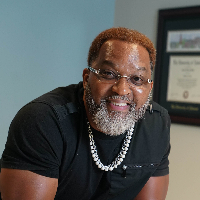
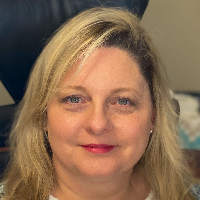
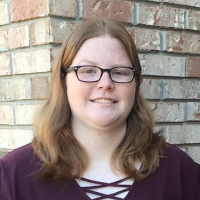
This page lists DBT-trained clinicians across Alabama who focus on treating sexual trauma using a skills-based approach. Explore profiles of therapists serving Birmingham, Montgomery, Huntsville, Mobile, and Tuscaloosa, and browse the listings below to find a clinician who fits your needs.










How DBT addresses sexual trauma
If you are seeking help after sexual trauma, Dialectical Behavior Therapy - DBT - offers a structured, skills-based framework that many people find stabilizing. Instead of focusing only on symptom reduction, DBT teaches practical skills that help you manage overwhelming emotions, tolerate distressing memories, and rebuild relationships and daily functioning. The approach is organized around four core modules - mindfulness, distress tolerance, emotion regulation, and interpersonal effectiveness - each of which can be applied directly to challenges that commonly follow sexual trauma.
Mindfulness and grounding
Mindfulness skills help you notice thoughts, sensations, and triggers without being swept away by them. After sexual trauma, memories or bodily sensations can feel sudden and consuming. Mindfulness supports your ability to stay present and observe what is happening in the moment, which can make it easier to choose a response instead of reacting automatically. Many people use mindfulness to regain a sense of agency when intrusive memories or hypervigilance arise.
Distress tolerance for crisis moments
Distress tolerance skills are designed for times when emotions peak and immediate relief is needed. These are practical strategies you can use to get through a difficult hour or day without taking actions you might later regret. For survivors of sexual trauma, distress tolerance can reduce impulsive behaviors and help you ride out flashbacks, intense shame, or panic until you can access longer-term therapeutic work.
Emotion regulation to rebuild stability
Emotion regulation teaches you how emotions work and how to influence them. Learning to identify, label, and change the intensity of emotions can be empowering when trauma has left you feeling unpredictable or overwhelmed. Over time, emotion regulation skills can make it easier to plan for triggers, reduce reactivity, and restore a more even baseline mood that supports daily life and relationships.
Interpersonal effectiveness and boundary setting
Interpersonal effectiveness focuses on communicating needs, asserting boundaries, and maintaining important relationships. Sexual trauma often disrupts trust and social connection, and learning these skills can help you navigate conversations about consent, safety, and support. The skills also support healthier relationships with friends, family, and partners as you recover.
Finding DBT-trained help for sexual trauma in Alabama
When looking for a DBT clinician in Alabama, start by identifying therapists who explicitly list DBT and trauma experience on their profiles. Urban centers such as Birmingham, Huntsville, and Montgomery commonly offer more clinicians with formal DBT training and skills groups, but many providers throughout Mobile, Tuscaloosa, and smaller towns also use DBT-informed approaches. If local options are limited, telehealth services can expand your choices while allowing you to work with a therapist who has specific experience treating sexual trauma.
Look for therapists who describe a trauma-informed DBT approach, which means they integrate standard DBT structure with sensitivity to trauma-related symptoms. Ask whether the clinician facilitates both individual DBT therapy and DBT skills groups, since the combination of individual and group work is a core element of standard DBT programs. Clarify whether they offer coaching between sessions - often called phone or skills coaching - and what boundaries and availability you can expect for crisis support.
What to expect from online DBT sessions for sexual trauma
Online DBT can mirror in-person programs closely. You can typically attend an initial consultation to discuss goals and history, followed by weekly individual therapy and a weekly skills group. Skills groups focus on teaching the four DBT modules through teaching, practice, and real-world homework. Individual sessions concentrate on applying those skills to your life, addressing trauma-related patterns, and developing a plan that balances coping strategies with targeted processing when appropriate.
In telehealth settings, group norms and technical logistics become important to discuss up front. Your therapist should explain how confidentiality is handled during virtual groups, how attendance and participation work, and what to do if you need support between sessions. Coaching contact is often managed through brief check-ins by phone or messaging within agreed boundaries. If you prefer to meet in person, many clinicians in Birmingham, Huntsville, and Montgomery offer hybrid options so you can combine online convenience with occasional office visits.
Evidence and clinical rationale for DBT with sexual trauma
DBT was originally developed to treat severe emotional dysregulation, and over time clinicians have adapted its structure and skills to address trauma-related difficulties. Research and clinical reports have examined DBT adaptations for people with complex trauma histories and symptoms such as intense emotion, self-harm, and relationship instability. The DBT skills are seen as particularly useful because they provide concrete tools for reducing reactivity and improving coping capacity, which are often prerequisites for engaging safely in trauma processing.
In Alabama clinical settings, practitioners have drawn on that evidence base to tailor DBT for survivors of sexual trauma, emphasizing stabilization and skill-building before intensive trauma-focused interventions. While the evidence base continues to grow, many survivors report that learning skills for distress tolerance and emotion regulation creates the steadiness they need to pursue deeper healing. If you want to review published studies, ask a prospective therapist for recommended reading or summaries of the research they use to inform their practice.
Tips for choosing the right DBT therapist in Alabama
Selecting a therapist is a personal process. When you contact potential DBT clinicians, ask about their formal DBT training and years of experience working with sexual trauma. Inquire whether they facilitate DBT skills groups and how those groups are structured. Some clinicians hold intensive DBT programs that include multiple weekly components, while others offer a more streamlined model; think about which format would fit your schedule and support needs.
Consider practical matters such as whether the therapist accepts your insurance, offers a sliding scale, or provides telehealth appointments if you live outside a major city. In cities like Huntsville or Mobile you may find more varied scheduling options, while rural areas might rely more heavily on telehealth. Ask about measures the clinician takes to create a safe setting for trauma work, how they handle crisis situations, and how long they typically work with clients on DBT skills before introducing trauma-specific processing.
Trust your sense of fit. A good therapeutic match often depends on feeling heard, respected, and understood by your clinician. It is reasonable to request a brief consultation to get a sense of their style and approach. If you start therapy and feel it is not a good fit for your needs, it is appropriate to discuss that with your therapist and consider referrals to other DBT-trained clinicians in Alabama who may be a better match.
Next steps and practical considerations
Begin by browsing the listings on this page to identify DBT-trained clinicians who mention experience with sexual trauma. Reach out to a few therapists to compare approaches, availability, and logistics such as fees and telehealth options. If you live near Birmingham, Montgomery, or Tuscaloosa, you may find in-person groups or specialized programs; if not, telehealth often brings qualified DBT clinicians within reach. Take your time in choosing a therapist - finding the right DBT-trained clinician can be an important step toward building the skills and support you need.
DBT offers a concrete, skills-based path to managing the emotional and relational impact of sexual trauma. With attention to mindfulness, distress tolerance, emotion regulation, and interpersonal effectiveness, you can develop tools that support day-to-day coping and create a foundation for longer-term healing. Use the listings below to begin connecting with DBT clinicians in Alabama who focus on this work and to find a therapeutic approach that feels aligned with your goals.