Find a DBT Therapist for Post-Traumatic Stress in Alabama
This page connects you with DBT therapists across Alabama who specialize in treating post-traumatic stress. Explore practitioner profiles that emphasize DBT skills - mindfulness, distress tolerance, emotion regulation, and interpersonal effectiveness - and browse the listings below to find a clinician who fits your needs.



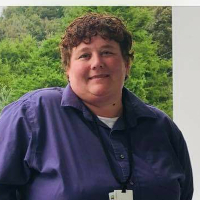
Gwendolyn Downing
LPC
Alabama - 41yrs exp
















How DBT addresses post-traumatic stress
Dialectical Behavior Therapy is a skills-based approach that helps you build practical tools to manage intense reactions and live more intentionally after trauma. Rather than focusing only on symptom reduction, DBT teaches concrete strategies you can use in the moment and strategies you can practice over time. The four DBT modules - mindfulness, distress tolerance, emotion regulation, and interpersonal effectiveness - each contribute to working with post-traumatic stress in complementary ways.
Mindfulness helps you notice sensations, thoughts, and emotions without becoming overwhelmed by them. That capacity to observe can be especially helpful when trauma reminders appear unexpectedly. Distress tolerance offers ways to get through intense moments without making decisions that create new problems - short-term techniques that reduce reactivity while you use other therapeutic tools. Emotion regulation skills teach you how to understand what drives strong feelings and how to move toward more balanced responses. Interpersonal effectiveness supports you in setting boundaries, asking for what you need, and repairing relationships when trauma has strained connections.
Integrating DBT with trauma-focused work
Many clinicians adapt DBT to address traumatic stress by pairing skills training with trauma-focused interventions in a structured sequence. The DBT framework can create stability and coping skills that allow you to engage with trauma processing more safely and effectively. Therapists may prioritize building distress tolerance and emotion regulation skills before or alongside exposure-based or narrative work. This staged approach helps you feel more able to tolerate difficult memories and reduces the chance that intense distress will derail progress.
Finding DBT-trained help for post-traumatic stress in Alabama
When you start searching for a DBT therapist in Alabama, you will find practitioners working in a variety of settings - private practices, community clinics, and outpatient programs - and offering in-person or online options. Major population centers such as Birmingham, Montgomery, and Huntsville host many clinicians who advertise DBT training and trauma experience, but you can also find qualified therapists serving smaller cities like Mobile and Tuscaloosa or offering statewide telehealth.
Look for therapists who describe specific DBT skills teaching and list experience with trauma or post-traumatic stress. Many DBT clinicians will note whether they offer a skills group in addition to individual therapy, and whether they provide between-session coaching or phone consultation. These components matter because DBT is most effective when skills training is combined with individual work that targets personal goals and patterns.
Questions to ask when contacting a clinician
When you reach out, consider asking how the therapist structures their DBT work for trauma, what training they have in DBT and trauma therapies, and whether they run a concurrent skills group. You can also ask how they handle crises and what supports are available between sessions. It is reasonable to ask how many sessions are typically recommended and how progress is tracked - those details help you know what to expect and whether the therapist’s approach matches your pace and preferences.
What to expect from online DBT sessions for post-traumatic stress
Online DBT typically includes three main elements - individual therapy, skills groups, and coaching between sessions - each adapted to virtual delivery. In individual sessions you and your therapist will set goals, review how skills are being used in your day-to-day life, and work on patterns that maintain distress. Skills groups via video provide instruction and practice in the four DBT modules, often using worksheets and in-session role play to build mastery. Coaching gives you a way to get brief guidance when a skill is needed outside of scheduled appointments.
For online work you should prepare a quiet, private space for sessions and make sure you have a reliable internet connection and a device with audio and video. Many therapists will send materials electronically and may use secure platforms for documents and worksheets. Expect an initial assessment to review your history, current challenges, and safety needs. From there you and your therapist will agree on a treatment plan that often blends skills practice, behavioral targets, and trauma-focused interventions at a pace that honors your tolerance for processing difficult material.
Benefits and practical considerations of online DBT
Online DBT makes it easier to access specialists who may not be located in your city. If you live outside Birmingham or Montgomery, working with a therapist in another Alabama city or region can give you access to clinicians with specific DBT and trauma expertise. Keep in mind time zone considerations, appointment scheduling, and whether the therapist offers group times that fit your routine. You should also confirm whether the clinician is licensed to provide telehealth in Alabama and whether they offer options for both virtual and in-person sessions as needed.
Evidence supporting DBT for post-traumatic stress
Over the past two decades, DBT has evolved from a treatment for certain patterns of self-harm to a broader, skills-oriented approach that many clinicians adapt for trauma-related conditions. Research and clinical reports suggest that DBT can improve emotion regulation, reduce impulsive or self-destructive behaviors, and help people develop safer ways to manage distress - changes that support trauma recovery. When DBT is tailored for trauma, the skills work can create a foundation that makes trauma-focused interventions more tolerable and effective.
In Alabama clinical programs and private practitioners have been integrating DBT principles into trauma care with attention to cultural and community contexts. If you are exploring the evidence, ask a potential therapist how they measure outcomes and whether they track skills use and symptom changes over time. Therapists who use routine outcome monitoring can share how progress is assessed, which helps you see whether the approach is making a difference for your goals.
Tips for choosing the right DBT therapist in Alabama
Start by clarifying what matters most to you - do you want a clinician who runs formal DBT skills groups, someone who blends DBT with trauma processing, or a therapist who focuses mainly on individual skills coaching? Think about logistics too - proximity to cities like Huntsville or Mobile may matter if you prefer in-person meetings, while telehealth options can expand your choices across the state. Look for therapists who describe both DBT training and experience with trauma, and ask about the structure of care, including the role of group work and between-session coaching.
It is also useful to ask about the therapist’s approach to safety planning and crisis response, particularly if you have experienced intense reactions in the past. A good fit often depends on how well you feel heard and whether the therapist explains DBT skills in a way that resonates with you. Don’t hesitate to schedule an initial consultation to get a sense of their style and whether they can tailor DBT skills to your specific experiences.
Preparing for your first DBT session
Before your first appointment, think about a few specific goals you want to work on and examples of moments when symptoms or reactions interfere with daily life. That information helps your therapist prioritize skills that will be most useful. If you are joining a skills group, ask whether there are materials or worksheets to review ahead of time. Preparing a plan for where you will join sessions - a private space that minimizes interruptions - helps you get the most out of virtual meetings.
Finding the right DBT therapist for post-traumatic stress in Alabama is a process, and taking the time to learn about each clinician’s training and structure can pay off. Whether you are in Birmingham, Montgomery, Huntsville, or elsewhere in the state, DBT offers a skills-focused pathway to build stability, manage intense experiences, and pursue recovery on terms that fit your life.