Find a DBT Therapist for Panic Disorder and Panic Attacks in Alabama
This directory page highlights therapists in Alabama who use Dialectical Behavior Therapy to address panic disorder and panic attacks. You will find profiles that note DBT training, treatment formats, and service areas across cities like Birmingham, Montgomery, and Huntsville. Browse the listings below to connect with a clinician who emphasizes DBT skills-based care.



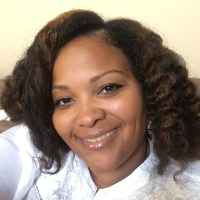
Gwendolyn Downing
LPC
Alabama - 41yrs exp


















How DBT specifically addresses panic disorder and panic attacks
Dialectical Behavior Therapy is a skills-oriented approach that can be adapted to help people who experience panic attacks and persistent panic-related anxiety. Instead of focusing only on symptom reduction, DBT emphasizes skill development in four core modules - mindfulness, distress tolerance, emotion regulation, and interpersonal effectiveness - so you learn concrete techniques to notice what's happening in your body and mind, respond to intense sensations, and reduce the impact of panic on daily life.
Mindfulness skills help you recognize the early signs of a panic response without judgment. That early recognition creates space to apply grounding and breathing techniques before escalation. Distress tolerance provides strategies you can use during an acute panic attack when your goal is to get through the moment without making choices that increase risk or long-term problems. Emotion regulation targets the underlying processes that make panic more likely - for example, learning to reduce vulnerability to intense arousal, shifting how emotions are labeled and understood, and building routines that stabilize mood.
Interpersonal effectiveness skills are also relevant because panic can be triggered or sustained by relationship stress, workplace pressures, or difficulties communicating needs. DBT teaches ways to ask for support, set limits, and negotiate stressful interactions while maintaining your goals and self-respect. Many DBT clinicians integrate behavioral experiments and exposure-based techniques into skills practice to help you gradually face situations that provoke panic, using the safety of structured skill rehearsal to build confidence.
Finding DBT-trained help for panic disorder and panic attacks in Alabama
When you search for DBT clinicians in Alabama, look for therapists who describe specific training in DBT and who explain how they apply the model to anxiety and panic. Some therapists have formal DBT certification while others have completed extended workshops or receive regular consultation in DBT methods. Pay attention to whether they offer a skills group in addition to individual therapy - the group format is where the four DBT modules are typically taught and practiced in a systematic way.
Geographic flexibility matters if you prefer in-person sessions. Major population centers like Birmingham, Montgomery, Huntsville, Mobile, and Tuscaloosa often have therapists and groups available, but smaller towns may require travel or telehealth. When you review profiles, you can check a clinician's service area and whether they provide skills groups, individual DBT, or coaching support between sessions. If you live in a more rural part of Alabama, also consider clinicians who offer comprehensive online DBT services so you can access structured care regardless of location.
What to expect from online DBT sessions for panic disorder and panic attacks
Online DBT models mirror in-person care while offering convenience. You can typically expect a combination of individual therapy, weekly skills groups, and coaching access outside sessions. In individual therapy you and your therapist will work on a treatment plan tailored to panic-related goals, using behavioral analysis to understand how panic arises in your life and to design step-by-step changes. The therapist will help you apply DBT skills to real-life panic triggers and plan for exposures in a gradual way.
Skills groups are where you learn the mindfulness, distress tolerance, emotion regulation, and interpersonal effectiveness modules in a structured sequence. In a group setting you will hear others' experiences, practice new responses, and be assigned between-session exercises. Coaching - which may be offered by phone or secure video messaging - gives you on-the-spot support when you face a panic-provoking situation. Coaching is intended to help you use DBT skills in the moment and to implement plans made in individual therapy.
Online sessions require a stable internet connection and a quiet room where you can participate without being interrupted. Before beginning, you can ask about session structure, group rules, and how clinicians handle safety planning. If you live in Birmingham, Montgomery, or Huntsville, you may find clinicians who offer a hybrid model - in-person groups combined with online individual sessions - allowing you to choose the format that fits your life.
Research and clinical support for DBT approaches to panic
DBT was originally developed for emotion dysregulation and suicidal behavior, but its skills-focused framework has been adapted to treat anxiety and panic symptoms. Clinical work and research adapting DBT to anxiety disorders suggest that the emphasis on mindfulness and emotion regulation is a good match for panic, because these skills target the rapid physiological arousal and catastrophic thinking that often accompany attacks. Distress tolerance skills provide practical strategies for getting through acute episodes without escalating avoidance or safety behaviors that can maintain panic over time.
While research continues to evolve, clinicians in Alabama and elsewhere draw on both formal studies and clinical experience when they tailor DBT techniques to panic disorder. You can ask potential therapists how they integrate exposure or cognitive strategies with DBT skills and whether they track outcomes or use standardized measures to monitor progress. That conversation can help you understand how evidence and experience inform the treatment you will receive.
Tips for choosing the right DBT therapist in Alabama
When deciding on a therapist, start by clarifying your goals - do you want to reduce the frequency of panic attacks, manage anticipatory anxiety, or rebuild activities that panic has limited? Use those goals to guide questions about a therapist's experience. Ask about their DBT training, how long they have applied DBT to panic or anxiety, and whether they offer the full skills training component as part of treatment. Therapists who teach the four DBT modules and who provide opportunities to practice skills in group settings often offer the most comprehensive DBT experience.
Practical matters matter as well. Check whether the clinician accepts your insurance or offers sliding scale fees, and whether they provide evening or weekend options if necessary. If you prefer in-person work, search for providers in Birmingham, Montgomery, Huntsville, Mobile, or Tuscaloosa. If travel is a barrier, prioritize clinicians who offer robust telehealth programs with scheduled skills groups and consistent individual sessions. You should also discuss how therapists address moments of crisis and whether they include coaching or between-session contact to help you use skills when panic strikes.
Finally, trust your sense of fit. DBT requires active participation and practice, so you want a clinician who explains homework and supports you through setbacks without judgment. A good fit feels collaborative - your therapist listens to your priorities, adjusts the pace of exposure and skills practice, and helps you build a plan that fits your life and values.
Next steps
As you browse DBT therapist profiles in this directory, use the information provided to narrow your choices by training, format, and location. Whether you live in a larger city like Birmingham or a smaller Alabama community, you can find clinicians who emphasize the mindfulness, distress tolerance, emotion regulation, and interpersonal effectiveness skills that make DBT a practical option for managing panic. Reach out to a few therapists to ask about intake availability, how they structure DBT for panic, and what the first few sessions will look like - that conversation will help you take the next step toward calmer, more manageable responses to panic and anxiety.