Find a DBT Therapist for Isolation / Loneliness in Alabama
This page connects visitors with DBT-trained clinicians in Alabama who focus on helping people who feel isolated or lonely. Listings highlight therapists who use Dialectical Behavior Therapy - a skills-based approach - so you can compare options. Browse the clinician profiles below to review approaches and availability.



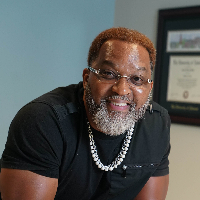
Gwendolyn Downing
LPC
Alabama - 41yrs exp




















How DBT addresses isolation and loneliness
If you are struggling with isolation or persistent loneliness, DBT offers a structured, skills-focused way to change how you relate to yourself and others. Rather than framing loneliness as simply a social problem, DBT looks at the emotions, thoughts and behaviors that keep you stuck. The four DBT skill modules - mindfulness, distress tolerance, emotion regulation and interpersonal effectiveness - each play a role in reducing isolation and helping you build meaningful connections.
Mindfulness and noticing your internal experience
Mindfulness helps you observe feelings of loneliness without getting swept away by them. When you practice present-moment awareness and nonjudgmental noticing, you can begin to recognize patterns - for example, thoughts that tell you others will reject you, or habits that lead you to withdraw. Mindfulness skills give you more choice in how you respond instead of reacting automatically, so you can experiment with small, manageable social steps.
Distress tolerance - managing intense moments
Loneliness often brings intense distress - a feeling you want to escape. Distress tolerance skills offer strategies to ride out difficult emotions without making decisions that increase isolation. You learn grounding techniques and short-term coping methods that reduce the pressure to avoid others or shut down. These skills can help you stay engaged long enough to try new behaviors that could improve your social life.
Emotion regulation - changing how emotions influence behavior
Emotion regulation teaches you to understand the causes of strong feelings and how to lower emotional vulnerability over time. By learning to identify triggers, reduce reactivity and build positive experiences, you create a steadier emotional base for reaching out. Improved emotion regulation can make conversations feel less overwhelming and help you tolerate the ups and downs of building relationships.
Interpersonal effectiveness - practical social skills
Interpersonal effectiveness focuses directly on the skills you need to ask for support, set boundaries and maintain connections. You practice communication that balances assertiveness and empathy so relationships feel more reciprocal. For someone dealing with loneliness, mastering these skills can transform social interactions from sources of anxiety into opportunities for connection.
Finding DBT-trained help in Alabama
When you look for DBT therapists in Alabama, you will find clinicians working in a range of settings - outpatient clinics, community mental health centers, university-affiliated services and independent practices. Cities such as Birmingham, Montgomery and Huntsville have clinicians and groups, and telehealth options extend access for people across the state, including Mobile and Tuscaloosa. To find a good match, seek practitioners who describe their work as DBT or DBT-informed, and who can explain how they adapt the model for loneliness and social isolation.
Ask about whether a clinician offers a full DBT program with individual therapy, skills groups and coaching, or whether they provide targeted DBT-informed individual therapy. Some clinicians train primarily in individual DBT while others emphasize group skills training. Consider which format fits your needs - you might benefit from the structure and community of a skills group, or you may prefer focused individual work to start.
What to expect from online DBT sessions for isolation and loneliness
Online DBT makes treatment more accessible, especially if you live outside major urban centers or have mobility or scheduling constraints. In a typical online DBT approach, you can expect a combination of weekly individual sessions and skills group meetings, supplemented by coaching between sessions. Individual therapy focuses on your life goals and on applying DBT skills to the situations that trigger isolation. Skills groups teach and practice the four DBT modules in a group format, which can itself reduce feelings of loneliness by creating a structured environment for connection.
Coaching - sometimes offered between sessions via messaging or brief calls - helps you apply skills in real time when you encounter social situations that feel difficult. Online platforms usually use video sessions that mimic in-person interaction, and clinicians often assign homework to practice skills in everyday settings. Group sessions online require clear guidelines about participation and respect, which helps you get comfortable sharing at your own pace.
Evidence and practical outcomes for DBT-style work on loneliness
There is growing interest in how skills-based therapies affect social connection. Research that examines DBT and related skill-training approaches has found benefits for emotion regulation and interpersonal functioning in diverse populations. While no single method fits everyone, many people report that learning and practicing DBT skills reduces impulsive reactions to loneliness and increases confidence in social situations. In Alabama, clinicians who apply DBT often combine individual attention with group practice, making it possible to learn skills and immediately try them within a supportive community.
Because loneliness is linked to many life domains - work, family, health and well-being - treating it with a comprehensive, skills-based approach can produce changes beyond the immediate symptom. Ask prospective therapists how they measure progress and whether they track changes in social engagement, mood and daily functioning over time.
Choosing the right DBT therapist for isolation and loneliness in Alabama
Choosing a therapist is a personal process. Start by clarifying what you want - whether it is learning social skills, reducing emotional reactivity, joining a skills group, or building a consistent support network. When you contact clinicians, ask about their DBT training and how long they have worked with people experiencing loneliness. It is useful to know whether they run skills groups and whether their work includes coaching between sessions.
Consider practical factors such as location, availability for evening sessions, telehealth options, and whether the therapist accepts your insurance or offers sliding scale fees. If you live near Birmingham, Montgomery or Huntsville you may have more in-person group options, while online services can broaden choices across Mobile, Tuscaloosa and more rural areas. Also ask about cultural competence and how the clinician tailors DBT skills to align with your background and values.
Your initial consultation is an opportunity to assess fit. Notice whether the therapist listens to your story and explains how DBT skills will be used specifically for issues of loneliness. A good match is someone who balances practical skill teaching with attention to your emotional experience and who provides a clear plan for how you will practice skills between sessions.
Next steps and realistic expectations
DBT is a training process - you will be learning and practicing new ways to respond to feelings and relationships. Progress often happens in small steps: attending a skills group, trying a brief social outreach, or using a distress tolerance technique to stay present during a hard conversation. You may find that early practice reduces the intensity of loneliness, while sustained skill use builds longer-term changes in how you connect with others.
If you are ready to explore DBT for isolation or loneliness in Alabama, review the listings on this page and reach out for an initial consultation. Ask questions about format, training, group options and how the therapist measures progress. With a clinician who understands DBT and how to apply it to social disconnection, you can expect a structured path toward greater emotional balance and more meaningful relationships.