Find a DBT Therapist for Grief in Alabama
On this page visitors will find DBT-trained therapists across Alabama who specialize in grief. The directory highlights clinicians who use dialectical behavior therapy - emphasizing skills work such as mindfulness and emotion regulation.
Browse the listings below to compare approaches, service formats, and local availability for DBT-informed grief care.





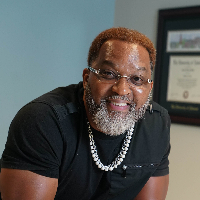
Gwendolyn Downing
LPC
Alabama - 41yrs exp


















How DBT approaches grief
When you are grieving, emotions can feel overwhelming, unpredictable, and all-consuming. DBT approaches grief with a skills-based structure that helps you both accept painful feelings and build strategies to live effectively while you adjust to loss. The work centers on four DBT modules - mindfulness, distress tolerance, emotion regulation, and interpersonal effectiveness - each of which offers practical techniques you can use when bereavement becomes hard to navigate.
Mindfulness gives you tools to notice painful thoughts and sensations without becoming swept away by them. That kind of noticing is not about minimizing your loss. Rather, it helps you create brief moments of observation so strong emotions can be experienced with less reactivity. Distress tolerance offers strategies for surviving intense waves of pain - methods you can use when the urge to avoid, numb, or act impulsively arises. Emotion regulation focuses on understanding patterns in your feelings, learning how to reduce emotional vulnerability, and increasing positive emotions when possible. Interpersonal effectiveness guides you through the social and relational challenges that often accompany grief - setting boundaries, asking for help, and communicating about your needs with family and friends.
Applying DBT skills to real moments of grief
You can practice mindfulness during rituals, memorials, or when a memory surfaces unexpectedly. Distress tolerance tools are useful in the first hours after hearing bad news, during anniversaries, or when reminders trigger intense sorrow. Emotion regulation helps when you feel persistent numbness or ongoing surges of anger, guilt, or longing, by teaching ways to identify triggers and build routines that stabilize mood. Interpersonal effectiveness becomes essential when relationships shift after a loss - whether you are negotiating caregiving, communicating with relatives, or rebuilding social connections. DBT is practical - it offers step-by-step skills that aim to make daily life more manageable even as you grieve.
Finding DBT-trained help for grief in Alabama
Looking for DBT-trained help in Alabama means paying attention to both DBT training and specific experience with bereavement. When you review clinician profiles, notice whether a therapist highlights DBT certification, DBT-informed practice, or experience running DBT skills groups. It is also helpful to look for descriptions that mention grief, bereavement, or loss so you know the clinician has practiced with these issues. Locations matter for in-person work - larger urban centers such as Birmingham, Montgomery, and Huntsville often have clinics and training centers where DBT clinicians are more concentrated, while smaller cities like Mobile and Tuscaloosa may offer clinicians who combine DBT with other therapeutic approaches.
Licensure credentials such as LCSW, LPC, or LMFT indicate the clinician's professional standing in Alabama. If you live outside a major city, telehealth can expand your options and connect you with DBT clinicians who run evidence-informed grief programs. When you contact a clinician, asking about their specific experience with grief, the structure of their DBT offerings, and whether they run skills groups or coaching can help you decide if their approach fits your needs.
What to expect from online DBT sessions for grief
If you choose online DBT, your care may include a combination of individual therapy, skills group sessions, and phone or text coaching. Individual sessions allow you to explore how your grief is showing up in your life - the thoughts, emotions, and behaviors that feel most challenging - while receiving targeted DBT interventions. Skills groups provide a structured environment to learn and practice DBT modules with others who are working on emotional regulation and coping. Coaching between sessions gives you in-the-moment guidance for applying skills to real-life situations, such as managing a difficult conversation about an estate or coping with a triggering anniversary.
Online formats make it easier to attend from home, work, or a car between commitments, and can be especially helpful if you live far from Birmingham or Huntsville. Sessions usually follow a consistent rhythm: regular individual sessions focused on priorities and safety, and weekly or biweekly skills training that covers mindfulness, distress tolerance, emotion regulation, and interpersonal effectiveness. You should expect to be given practice exercises and to use skills outside sessions so the techniques translate into daily life. Clear communication about scheduling, technology needs, and emergency plans helps the work feel practical and predictable.
Evidence and practice considerations for DBT and grief
DBT has a strong research base for addressing emotion dysregulation, self-harm, and interpersonal problems, and clinicians have adapted DBT skills to support people experiencing complicated or prolonged grief. While research specific to grief is still growing, many therapists report that DBT's emphasis on balancing acceptance and change aligns well with bereavement work. The skills help you manage intense emotions, reduce unhelpful coping behaviors, and maintain relationships during the grieving process.
In Alabama clinical settings, DBT-informed programs are commonly integrated into outpatient mental health practices, community clinics, and university-affiliated services. Whether you are seeking care in Montgomery or a more rural area, clinicians using DBT typically focus on measurable skill acquisition, skills practice between appointments, and building a plan for handling high-risk moments. That pragmatic orientation can make grief work feel more navigable, since you develop concrete tools rather than relying solely on exploration.
Tips for choosing the right DBT therapist for grief in Alabama
Choosing a therapist is a personal decision and you want to find a clinician who fits with your values, schedule, and goals. Start by reviewing profiles to identify clinicians who explicitly combine DBT training with grief-focused experience. Consider whether you want a therapist who offers full DBT programs - including skills groups and coaching - or a clinician who uses DBT-informed techniques within individual therapy. If group work feels intimidating, ask about group formats and whether there is a preparatory session to introduce skills in a smaller setting.
Practical matters matter too. Think about whether you prefer in-person sessions in cities like Birmingham or mobile-friendly telehealth options that can accommodate travel and work. Ask about session frequency, expected homework, insurance and payment options, and the clinician's experience with cultural or faith-based aspects of grieving that may be relevant to you. It's reasonable to arrange an initial consultation to gauge rapport and to ask how the clinician would tailor DBT skills to your specific circumstances.
Trust your response to the first few sessions. You should feel heard and get a clear sense of the therapy structure - for example, how mindfulness is introduced, what distress tolerance strategies you will learn, and how emotion regulation work will be paced. If a therapist offers skills groups, find out whether groups meet at times that fit your schedule and whether the group composition feels appropriate for your stage of grief.
Next steps
Finding DBT-based grief support in Alabama involves matching clinical training with a model that emphasizes skills you can use immediately. Whether you are searching in Birmingham, Montgomery, Huntsville, Mobile, or Tuscaloosa, focus on clinicians who combine DBT training with compassionate, practical grief care. Use the profiles above to compare approaches, ask targeted questions about DBT and bereavement experience, and schedule consultations to determine the best fit for your healing process.