Find a DBT Therapist for Gambling in Alabama
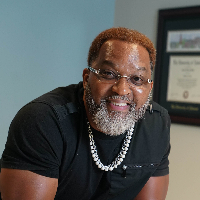
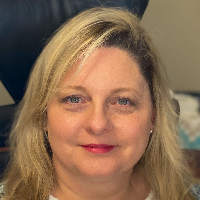
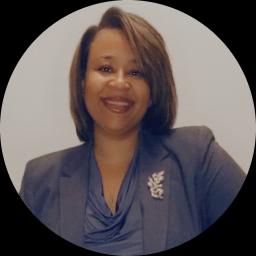
This page lists clinicians across Alabama who use Dialectical Behavior Therapy (DBT) to address gambling-related difficulties. You will find profiles for therapists offering individual DBT, skills-focused groups, and coaching - browse the listings below to find a clinician who fits your needs.











How DBT specifically treats gambling
If gambling has become a recurring problem in your life, DBT approaches treatment by focusing on skills that change how you notice, manage, and act on urges. Rather than framing the work only as willpower or moral failing, DBT treats gambling-related behaviors as patterns that can be addressed through learning and practicing specific skills. Mindfulness helps you observe urges without automatically acting on them. Distress tolerance provides strategies for getting through intense cravings or financial stress without making choices you will later regret. Emotion regulation gives you tools to reduce vulnerability to intense emotional shifts that often trigger gambling. Interpersonal effectiveness helps you repair relationships and set boundaries so that relationship stressors are less likely to contribute to problematic gambling.
In practice, a DBT-informed plan for gambling typically blends moment-to-moment awareness exercises with concrete behavioral tools. You learn to track patterns that lead to betting, test small changes to routine, and use coping skills when urges arise. The emphasis is on ongoing skills practice - both in session and between visits - so that the skills become automatic alternatives to gambling over time.
DBT skills and how they map to gambling challenges
Mindfulness trains you to notice the physical sensations, thoughts, and images that precede a gambling episode. By labeling an urge as an urge and observing it from a distance, you can reduce impulsive action. Distress tolerance provides grounding methods - breathing, self-soothing, and short-term strategies - for moments when you feel overwhelmed by loss, boredom, or the need to chase wins. Emotion regulation work helps you identify which emotions drive your gambling and teaches you ways to modulate intensity so that decisions are less reactive. Interpersonal effectiveness addresses the social and financial fallout of gambling by helping you communicate needs, negotiate limits, and rebuild trust where it has been damaged.
Finding DBT-trained help for gambling in Alabama
When you look for DBT help in Alabama, you can search for clinicians who list DBT training and experience treating impulse-control or addictive behaviors. Many clinicians in larger cities such as Birmingham, Montgomery, and Huntsville offer formal DBT programs or integrate DBT skills into individualized treatment. Clinics and private practitioners often describe whether they provide structured DBT - which includes skills groups and coaching - or a DBT-informed approach that emphasizes the key skills without the full program structure. You may find helpful options near Mobile and Tuscaloosa as well, and telehealth expands access beyond those city centers so that you can connect with a clinician who has specific gambling experience even if they are not local.
When contacting a clinician, ask about their training in DBT, how they adapt DBT for gambling behaviors, whether they run skills groups, and whether they provide between-session coaching. It is reasonable to inquire about session formats - some clinicians offer a combination of individual therapy, weekly skills group meetings, and real-time coaching to help you use skills when urges strike. You should also ask how they coordinate with financial counselors or other supports if your gambling has led to debt or legal concerns.
What to expect from online DBT sessions for gambling
If you choose online DBT, expect a structure similar to in-person work but adapted for a virtual setting. Individual sessions typically focus on coaching you through applying DBT skills to current problems, reviewing your diary card or tracking of urges, and setting concrete behavioral targets for the coming week. Skills groups conducted online will teach and practice mindfulness, distress tolerance, emotion regulation, and interpersonal effectiveness in a group format where members can learn from each other. Between-session coaching is often available by phone or messaging so you can get guided help when an urge arises in real time.
Online sessions require reliable technology and a quiet place where you can engage openly. You should clarify with your clinician how they handle privacy on virtual calls and what to do if an urgent crisis arises during a session. Many clinicians will provide guidance on how to prepare for skills practice at home and how to use online tools to track progress. For people in Alabama who live outside major metro areas, virtual DBT can be an effective way to access clinicians experienced in treating gambling behaviors without the need to travel long distances.
Evidence and local context for DBT and gambling
Research and clinical practice have explored the use of DBT for impulse-control problems and behavioral addictions, and many clinicians adapt its structure to address gambling. While the strongest evidence base for DBT originally focused on emotion-driven behaviors, the model's emphasis on skills training makes it a natural fit for gambling where regulation of urges and emotions is central. In Alabama, clinicians draw on both the research literature and local clinical experience to tailor DBT-informed treatment to community needs. Academic and community mental health centers in the state may offer specialized programming, and experienced practitioners in Birmingham, Montgomery, and Huntsville have been integrating DBT skills into gambling-focused care.
It is important to recognize that treatment outcomes depend on many factors, including the fit between you and your clinician, your level of engagement in skills practice, and the presence of other stressors or conditions. Discuss with prospective therapists how they measure progress, set goals, and adjust treatment when needed. A thoughtful DBT clinician will treat your challenges holistically, addressing emotional triggers, daily routines, and interpersonal patterns that contribute to ongoing gambling.
Tips for choosing the right DBT therapist in Alabama
Choosing a therapist is a personal decision. Start by checking whether the clinician has formal DBT training and experience applying DBT skills specifically to gambling or related impulse-control issues. You might prefer a therapist who offers a structured program with skills groups if you benefit from peer learning, or you may prefer individualized therapy with targeted skills coaching. Consider practical matters such as location - whether you want someone in Birmingham, a provider who travels to Montgomery, or a therapist in Huntsville - and whether you need evening appointments or telehealth options. Ask about how they incorporate skills practice between sessions and whether they offer phone or messaging coaching when urges arise outside of scheduled meetings.
Also consider how the clinician approaches financial and legal consequences of gambling. Some therapists coordinate with financial counselors or support services to help you manage practical fallout while working on behavioral change. Trust your instincts about rapport - you should feel heard and respected, and your therapist should explain the treatment plan clearly and set measurable goals. Finally, check logistical details such as fees, sliding scale options, session length, and cancellation policies so you can plan for consistent attendance, which is often an important part of making skills stick.
Moving forward with DBT-focused care
Seeking DBT-informed help for gambling in Alabama is a practical step toward gaining more control over urges and rebuilding stability. Whether you connect with a clinician in a city like Birmingham or choose online sessions to access a specialist, DBT offers a skills-based framework that helps you notice triggers, tolerate distress without acting on urges, regulate emotions, and repair relationships. By asking the right questions about training, format, and coaching, you can find a clinician whose approach matches your needs. With regular practice and support, you can build alternatives to gambling that fit your values and goals.
If you are ready to explore options, review the therapist profiles above to find DBT-trained clinicians in Alabama, reach out to schedule an initial conversation, and consider what combination of individual sessions, skills groups, and coaching will best support your path forward.