Find a DBT Therapist for Bipolar in Alabama
On this page you will find DBT-trained therapists across Alabama who focus on supporting people managing bipolar-related mood challenges. Each listing highlights clinicians who use the DBT approach - including skills training and individualized work - to help you find an approach that fits.
Browse the therapist profiles below to compare backgrounds, approaches, and availability so you can connect with someone who meets your needs.




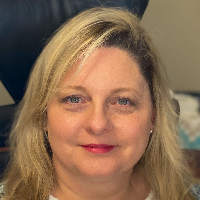
Gwendolyn Downing
LPC
Alabama - 41yrs exp














How DBT Addresses Bipolar Mood Instability
If you are exploring DBT for bipolar, you will find its skills-based framework can be adapted to address mood shifts, impulsive behaviors, and relationship strain that often accompany bipolar conditions. Dialectical Behavior Therapy was developed to teach practical skills you can use day to day. The four DBT modules - mindfulness, distress tolerance, emotion regulation, and interpersonal effectiveness - provide a structured set of tools. Mindfulness helps you observe mood changes without immediately reacting. Distress tolerance offers strategies to get through high-intensity moments without making decisions you may later regret. Emotion regulation gives specific techniques to identify, name, and influence emotions so they feel more manageable. Interpersonal effectiveness supports you in navigating conflicts and maintaining important relationships while managing mood fluctuations.
Therapists who specialize in DBT for bipolar typically tailor these modules to the patterns you experience. For example, if you notice impulsive spending or risky behavior during elevated mood states, a therapist might place added emphasis on distress tolerance and behavioral chain analysis to help you interrupt those patterns. If depressive episodes lead to withdrawal from supports, therapy may focus on building behavioral activation strategies within the emotion regulation framework. The DBT model is skills-focused and collaborative - you and your clinician work together to identify priorities and practice tools that fit your life.
Finding DBT-Trained Help for Bipolar in Alabama
When looking for a DBT therapist in Alabama, you will want to consider training, experience with bipolar presentations, and how they deliver services. Some clinicians complete intensive DBT training and participate in DBT consultation teams, while others integrate DBT skills into a broader therapeutic approach. Pay attention to whether a therapist offers both individual DBT sessions and skills-group formats, since the combination can be especially helpful for learning and practicing skills in community.
Geographically, you can find DBT-informed clinicians in metropolitan centers like Birmingham, Montgomery, and Huntsville as well as in Mobile and Tuscaloosa. Urban areas often provide access to specialized group offerings, while clinicians in smaller communities may offer flexible scheduling or telehealth to meet your needs. When you view profiles, look for details about DBT-specific training, experience working with bipolar presentations, and any adaptations they use for mood disorders.
What to Expect from Online DBT for Bipolar
Online DBT for bipolar typically mirrors in-person DBT in its core components, but it also offers practical advantages for many people. If you choose telehealth, you can expect individual therapy sessions focused on behavioral analysis, skill coaching, and problem-solving alongside scheduled skills groups that teach and practice the four DBT modules. Some programs include phone or messaging coaching to help you apply skills in real time between sessions. This adjunct support can be useful when you face an intense mood swing or interpersonal crisis and want immediate guidance on using a specific skill.
During an initial online session, your therapist will usually conduct a thorough assessment to understand your mood pattern, triggers, and goals. You will work together to create a prioritized treatment plan. Individual sessions tend to focus on targeted behavior change and standard DBT interventions such as diary card tracking, chain analysis, and homework assignments that help you practice skills. Skills groups are instructional and interactive - you will learn and rehearse mindfulness practices, distress tolerance techniques, emotion regulation strategies, and interpersonal effectiveness methods in a group setting. Online formats can still foster strong therapeutic connection and offer accessibility if you live outside major centers like Birmingham or Huntsville.
Evidence and Clinical Reasoning for DBT with Bipolar
While DBT was originally developed for borderline personality features, clinicians and researchers have adapted DBT principles to bipolar mood instability. Clinical studies and practice reports have explored DBT-informed interventions for bipolar and related mood instability, noting improvements in emotion regulation, reductions in risky behaviors, and better crisis management in some contexts. You should expect clinicians to describe the evidence base in cautious terms - DBT is one of several evidence-informed approaches used to address behavioral and emotional dysregulation rather than a one-size-fits-all solution.
Local clinicians in Alabama may draw on regional research, training networks, and their own clinical outcomes when explaining how they apply DBT for bipolar. Practical clinical reasoning often involves combining DBT skills work with mood monitoring, medication coordination with prescribers when relevant, and attention to lifestyle factors such as sleep and routine. When searching for care, you might ask therapists how they incorporate DBT research into practice and what outcomes they aim to support.
Choosing the Right DBT Therapist for Bipolar in Alabama
Choosing a therapist is a personal decision and you should feel empowered to ask questions that clarify their approach. Start by asking about formal DBT training and experience with bipolar-related mood instability. Inquire whether they offer both individual DBT therapy and skills groups, and how they structure coaching between sessions. You may want to know how they coordinate care with psychiatrists or primary care providers if medication management is part of your plan. It is also reasonable to ask about their approach to relapse planning and strategies for managing elevated mood episodes safely.
Consider practical factors as well - availability for appointments, whether they offer evening or weekend groups, and whether they provide online options that fit your schedule. If you live in or near Birmingham, you may find larger group programs; community resources in Montgomery or Huntsville might offer specialized individual clinicians or hybrid formats. Think about therapeutic fit - many clinicians offer a brief consultation call so you can gauge rapport and whether their style resonates with you.
Practical Tips for Starting DBT Care
When you are ready to start DBT for bipolar, prepare for an initial intake that explores your mood history, strengths, and current goals. Bring notes about patterns you want to change and questions about how DBT skills will be taught. Expect to use a diary card or tracking method to log moods, behaviors, and skill use - this is a core DBT tool that helps you and your therapist see patterns over time. If you are considering online services, check technology requirements and ask how group sessions are managed to ensure a good learning environment.
Finally, give the process time. Skills learning often requires repeated practice and real-world application before you notice meaningful changes in how you respond to mood shifts. Keep communication open with your clinician about what is working and what needs adjustment. With an approach grounded in the four DBT modules, many people find a clearer path to managing mood-related challenges while strengthening relationships and daily functioning across Alabama settings.
Connecting with Local Resources
If you live in a larger city like Birmingham, Montgomery, or Huntsville, you may also find community-based groups, workshop series, or clinician networks focused on DBT-informed care for bipolar. These local resources can supplement individual therapy and skills groups by giving you more opportunities to practice skills in a supportive environment. Use the listings above to reach out and compare options - a good match can make all the difference as you begin building the skills that fit your life.