Find a DBT Therapist for Anger in Alabama
This page lists DBT-trained clinicians in Alabama who specialize in treating anger using a skills-based approach. Profiles emphasize DBT modules - mindfulness, distress tolerance, emotion regulation and interpersonal effectiveness - to help manage strong emotions. Browse the listings below to find therapists in Birmingham, Montgomery, Huntsville and other Alabama communities.




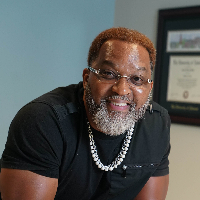
Gwendolyn Downing
LPC
Alabama - 41yrs exp



















How DBT treats anger through a skills-based approach
If anger feels overwhelming or gets in the way of relationships and daily life, dialectical behavior therapy - DBT - offers a structured, skills-focused path to change. DBT treats anger not as a moral failing but as a powerful emotion that can be noticed, understood, and managed more effectively. The approach blends acceptance strategies with active skills training so you can reduce impulsive reactions while also learning healthier ways to communicate and set limits.
Using the four DBT modules for anger
The four DBT skill modules each play a role in addressing anger. Mindfulness helps you notice the earliest physical and mental signs of rising anger so you can step back before reacting. Distress tolerance provides tools to get through intense moments without making the situation worse - breathing exercises, self-soothing techniques and brief acceptance strategies can stop escalation. Emotion regulation teaches you how to reduce the intensity of anger over time by changing body states, reducing vulnerability factors and building positive experiences. Interpersonal effectiveness gives you specific ways to assert needs, set boundaries and repair relationships without aggression. When practiced together, these skills form a practical toolkit for responding differently to triggers.
Finding DBT-trained help for anger in Alabama
When searching for a DBT therapist in Alabama, look for clinicians who clearly explain their training in DBT and how they apply skills to anger-related concerns. Many Alabama therapists offer specialized DBT programs or tailor standard DBT to address anger management, emotion dysregulation and conflict in relationships. You can narrow your search by city if in-person therapy is important - larger metropolitan areas such as Birmingham, Montgomery and Huntsville often host more clinicians and skills groups, while Mobile and Tuscaloosa may offer experienced practitioners with their own formats.
Ask potential clinicians about whether they offer a combination of individual therapy and skills training, how long their programs typically run, and whether they coordinate with other providers if multiple supports are needed. It is reasonable to inquire about the therapist's experience with anger specifically, examples of outcomes they have helped clients achieve, and whether they conduct consultation with other DBT clinicians to maintain treatment fidelity. Clear communication about scheduling, fees and insurance reimbursement helps you choose a fit that matches practical needs as well as therapeutic goals.
In-person versus telehealth options across Alabama
In larger cities you may find established DBT teams that run regular skills groups and intensive outpatient formats, which can be valuable if you prefer in-person interaction and group skills practice. If you live outside metropolitan areas, or prefer not to travel, many clinicians offer telehealth services that enable consistent individual sessions and virtual skills groups. Online options can make it easier to access DBT-trained clinicians across county lines while still attending group meetings and receiving coaching between sessions. When considering telehealth, think about the environment in which you will join sessions - a quiet, comfortable setting where you can focus and practice skills is ideal.
What to expect from online DBT sessions for anger
Online DBT preserves the core elements of the therapy model. You can expect regular individual therapy sessions focused on problem-solving, skill application and targeting behaviors that maintain harmful anger responses. Skills groups - typically led by a trained clinician - teach and rehearse specific DBT skills in a group format, giving you a chance to practice with others and receive feedback. Some clinicians also offer coaching between sessions by phone or secure messaging to help you apply skills in real time when anger spikes. That coaching is meant to be brief and practical - guiding you toward a skill you can use in the moment.
Whether online or in person, DBT for anger usually involves homework - practicing skills in everyday situations, tracking urges and identifying patterns that trigger strong reactions. Your therapist will work with you to set realistic goals and to measure progress in ways that fit your life, whether you live in the fast pace of Birmingham or a quieter town outside Huntsville. Expect a collaborative process where you and your clinician tailor the DBT strategies to the particular situations and relationships that generate anger for you.
Evidence and outcomes for DBT and anger
Research and clinical experience indicate that DBT is effective at helping people gain better control over intense emotions, including anger. Studies that focus on emotion regulation and behavioral outcomes show that skills training can reduce impulsive reactions and improve interpersonal functioning. In clinical settings across states, including programs based in Alabama, clinicians have adapted DBT principles to focus specifically on anger management with promising results. While every person's response to therapy is unique, many people report fewer explosive episodes, improved communication, and greater confidence in handling conflict after engaging in a DBT-informed program.
When evaluating evidence, consider asking potential therapists how they measure progress. Some clinicians use standardized emotion regulation scales or behavior tracking, while others emphasize qualitative changes you notice in daily life - less time spent ruminating, fewer relationship ruptures, or a greater ability to pause before responding. Both kinds of indicators are meaningful and can help you decide whether a particular DBT approach is working for you.
Choosing the right DBT therapist for anger in Alabama
Selecting a therapist is a personal decision that blends practical considerations with the therapeutic fit. Start by clarifying what you want to change about your anger - whether that is explosive outbursts, ongoing irritability, problems at work or difficulty in close relationships. Use that clarity to guide your questions when you contact clinicians. Ask about their DBT training and how they apply the four modules to anger, whether they offer skills groups and coaching, and how they structure treatment length and frequency.
Make time for a consultation so you can get a sense of the therapist's style. Notice whether they explain DBT skills in concrete terms and whether they invite you to try them during sessions. Consider logistical factors such as whether they offer evening groups in cities like Montgomery or weekend telehealth sessions if your schedule is busy. Insurance coverage, sliding scale options and waiting lists are practical pieces of the puzzle, but do not overlook the relational aspect - feeling heard, respected and challenged in a supportive way helps sustain difficult changes.
Finally, give any new approach a fair trial. DBT emphasizes practice and repetition, so allow time to learn and apply skills before deciding whether a therapist or format is right for you. If you find you need a different pace or a clinician with specific experience handling legal, family or workplace consequences of anger, it is appropriate to discuss referrals or adjunct supports. In Alabama, whether you are seeking in-person care in Mobile or virtual services that reach rural counties, there are clinicians dedicated to adapting DBT for anger-related needs.
Finding the right DBT clinician can change how you experience anger - from a force that controls you to an emotion you can manage with skill and intention. Use the listings above to explore therapist profiles, compare approaches, and reach out to professionals who align with your goals. With commitment to skills practice and a collaborative therapeutic relationship, you can build new ways of responding that protect relationships and support the life you want.