Find a DBT Therapist for ADHD in Alabama
This page connects visitors with therapists across Alabama who use dialectical behavior therapy to support people with ADHD. Browse the listings below to compare clinicians, specialties, and approaches in cities like Birmingham, Montgomery, and Huntsville.




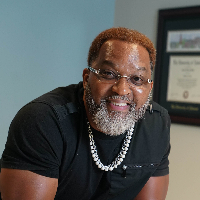
Gwendolyn Downing
LPC
Alabama - 41yrs exp



















How DBT Applies to ADHD
Dialectical behavior therapy is a skills-based model that teaches practical strategies you can use day to day. Although DBT was originally developed for emotion dysregulation, clinicians have adapted its four core modules - mindfulness, distress tolerance, emotion regulation, and interpersonal effectiveness - to address patterns that often accompany ADHD. When you work with a DBT-informed clinician, the focus shifts from simply managing symptoms to building reliable skills that help with attention, impulsivity, planning, and relationships.
Mindfulness practice in DBT helps you develop a clearer awareness of attention and thought patterns. That awareness can make it easier to notice when your mind is drifting or when impulsive urges arise, so you can choose a deliberate response rather than react automatically. Distress tolerance offers strategies to ride out strong impulses or overwhelming moments without taking actions you may later regret. Those techniques support short-term coping during deadlines, sensory overload, or emotional spikes.
Emotion regulation targets the intensity and frequency of strong feelings that can interfere with focus and decision-making. By learning to identify emotions, reduce their intensity, and plan actions that align with long-term goals, you can reduce the cycle of frustration and distraction that often follows unmet expectations. Interpersonal effectiveness teaches communication, boundary-setting, and negotiation skills that make it easier to manage relationships at work, school, and home - areas where ADHD-related misunderstandings commonly occur.
Applying the Four DBT Modules to Everyday ADHD Challenges
You may find that mindfulness helps you anchor attention to a single task, using brief exercises to return your focus without criticism. Distress tolerance can include practical breathing and grounding tools for moments of overwhelm, enabling you to pause before acting on an impulse. Emotion regulation work helps you create routines for mood-driven behaviors and to plan for predictable triggers. Interpersonal effectiveness gives you language and structure to express needs, ask for accommodations, and maintain healthier social connections.
Finding DBT-Trained Help for ADHD in Alabama
When seeking a DBT therapist in Alabama, consider both formal DBT training and experience applying DBT skills to ADHD presentations. Many clinicians in Birmingham, Huntsville, Montgomery, Mobile, and Tuscaloosa integrate DBT principles with ADHD-focused interventions. You can use clinic profiles to look for specific language about DBT skills groups, individual DBT-informed therapy, or coaching availability between sessions. Inquiries about prior experience with adult or adolescent ADHD can clarify how a clinician adapts DBT techniques to attention and executive functioning challenges.
Licensing, supervision, and ongoing DBT consultation are indicators of commitment to the model. Some clinicians list advanced training in DBT, certification, or regular participation in DBT consultation teams. Others highlight a hybrid approach that blends DBT skills with behavioral strategies for organization, time management, and task initiation. Consider whether you prefer clinicians who emphasize skills training in group settings, one-on-one skills coaching, or a mix of both formats.
What to Expect from Online DBT Sessions for ADHD
Online DBT makes it possible to access skilled clinicians across Alabama, whether you live in a metropolitan area like Birmingham or a smaller town. Telehealth sessions commonly include individual therapy focused on your personal goals, structured skills groups where you learn and practice DBT modules with peers, and coaching options for real-time help between sessions. Coaching may be offered by phone or messaging to assist with applying skills during moments of high stress or impulsivity.
In individual online DBT sessions you can expect a clear treatment structure - goal-setting, behavior analysis, and skills practice tailored to attention and executive functioning. Skills groups are typically taught in a predictable sequence so you can build mindfulness first, then work through distress tolerance, emotion regulation, and interpersonal effectiveness with exercises and homework. Coaching between sessions is designed to help you use skills in everyday situations, from managing work deadlines to navigating family conflicts.
Technology can support learning through shared worksheets, recorded exercises, and screen-sharing demonstrations of planning tools. If you opt for telehealth, check on session length, group schedules, and whether the clinician offers a blend of virtual and occasional in-person options in cities such as Huntsville or Montgomery. Also ask how the therapist adapts materials for ADHD - shorter exercises, visual organizers, and step-by-step worksheets can make DBT more accessible when attention is inconsistent.
Evidence and Clinical Experience
While DBT was developed for emotion dysregulation, clinicians and researchers have increasingly adapted DBT strategies to help people with ADHD manage impulsivity, emotional reactivity, and interpersonal problems. Research and clinical experience suggest that the skills taught in DBT - particularly mindfulness and emotion regulation - can be useful components of comprehensive ADHD care. Many providers in Alabama have incorporated DBT skill training into broader treatment plans that also address organization, planning, and behavioral activation.
Local clinicians often report improvements in clients' ability to tolerate frustration, sustain attention for meaningful tasks, and navigate complex relationships after engaging in structured DBT work. When evaluating options, consider practitioners who describe outcome tracking, skill mastery goals, and a collaborative approach to measuring progress. This kind of practical framework helps you see how DBT skills translate into daily improvements rather than relying only on generalized statements about effectiveness.
Tips for Choosing the Right DBT Therapist for ADHD in Alabama
Start by identifying therapists who explicitly name DBT skills and ADHD in their profiles. Ask about formal DBT training, participation in DBT consultation teams, and experience adapting the model for attention differences. Inquire whether the clinician offers skills training groups and how those groups are structured - some focus on practicing mindfulness and emotion regulation in ways tailored for those with executive function challenges.
Consider logistics that affect engagement. If you live in or near Birmingham or Mobile, evaluate whether in-person sessions are important or whether a consistent online schedule fits better with your routine. Ask about session frequency, expected duration of the program, and the availability of coaching between sessions. Insurance coverage, sliding scale options, and the therapist's typical caseload can also influence accessibility and continuity of care.
Trust and fit are essential. You should feel heard when describing how ADHD affects your daily life, and the therapist should offer concrete examples of how DBT skills would be taught and practiced. A useful intake conversation will include a discussion of goals, a description of the skills modules, and a plan for tracking progress. Don't hesitate to ask for a brief consultation call to assess rapport and whether the therapist's approach aligns with your preferences.
Next Steps
Exploring DBT for ADHD in Alabama means looking for skilled clinicians who emphasize practical skills training and real-world application. Whether you are in Huntsville, Montgomery, Tuscaloosa, or elsewhere in the state, the right DBT-informed therapist can help you build attention, cope with emotional intensity, and strengthen interpersonal functioning. Use the listings above to compare approaches, ask targeted questions about DBT experience and ADHD work, and schedule an initial consultation to learn how the skills modules can be applied to your life.